News

Bengaluru

Our brain is a ballroom echoing with humming footsteps of exquisite dancers a.k.a 'brain waves'. Synchronised electrical pulses from neurons communicating with each other produce these brain waves that ricochet throughout the brain. They skillfully route information in a way that allows the brain to choose which signals should be considered vital.
Mumbai

Have you ever wondered how a tiny bacterium enters your body from the surroundings and causes havoc? A simple explanation could be that it enters your body when you take in the contaminated air or water or through contact. But, how exactly does it move around once inside the body, or even in air or water? It does so in two ways; it either wiggles around with the help of flagellum—a lash-like appendage that protrudes from the body, or uses its body weight (specifically, its head) to propel itself. So what path does it trace when it moves?

Bengaluru

Silver nanoparticles are nanoparticles of silver whose size varies from 1 nm to 100 nm. They are commonly used in the manufacture of about 200 consumer products, including clothing and cosmetics. While their antibacterial properties are hailed, reckless dumping of these nanoparticles is reported to pollute water and soil due to formation of toxins like silver sulfide.

Bengaluru

On the 26th of March, 2018, Prof. K VijayRaghavan, ex-Secretary, Department of Biotechnology (DBT), and ex-Director of the National Centre for Biological Sciences (NCBS), was appointed the Principal Scientific Adviser to the Government of India. He succeeds Dr. R. Chidambaram and is expected to assume the office shortly.

Mumbai

Microbial Fuel Cells (MFCs) are bio-electrochemical devices that use the power of respiring microbes to convert organic matter into electrical energy. Thus, they can help treat wastewater and also generate electricity. Realising the vast potential these cells have, scientists are finding ways to improve their performance and efficiency.

Kanpur

In a new study, researchers have developed a low-cost and eco-friendly method to extract gold from electronic waste using the leaves of the plant Lagerstroemia speciosa, commonly called the Pride of India. They have applied the principle of biosorption—the ability of biological materials in an aqueous solution to bind with heavy metals—to extract gold from wastewater.

Kharagpur

Power cuts in many parts of the country are so commonplace that we have learnt to accept and adapt to the erratic supply, no matter how frustrating. With summer rearing its fiery head, the threat of sitting in sweltering heat without fans or air-conditioners is a nightmare. A recent UN report found that 10% of people from developing countries have no access to electricity!

Bengaluru

In a new study, researchers from the Indian Institute of Science, have found that ten confined water molecules play a significant role in keeping the insulin molecules together. In their findings published in the Journal of Physical Chemistry, the researchers have used computer models to study how water molecules help in stabilising the structure of insulin for storage in our body.

Delhi

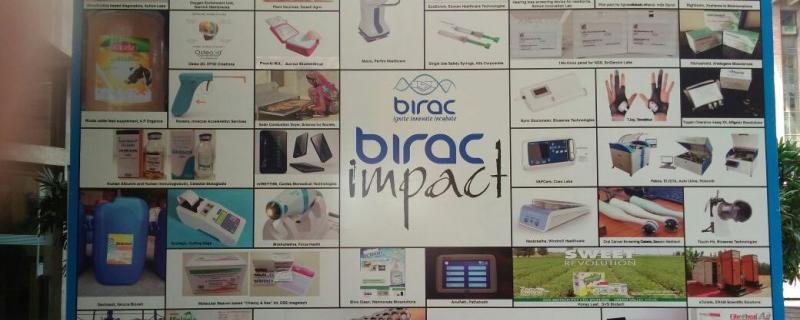
The Biotechnology Industry Research Assistance Council (BIRAC) celebrated its 6th Foundation Day on Tuesday, March 20th, at the India Habitat centre in New Delhi. This year, the theme for the Foundation Day celebration was ‘Sustaining Innovation: A market driven pathway’. The event saw a participation from large number of dignitaries from the industry and academia, public and private sector, policy makers and national and international organizations.

Delhi

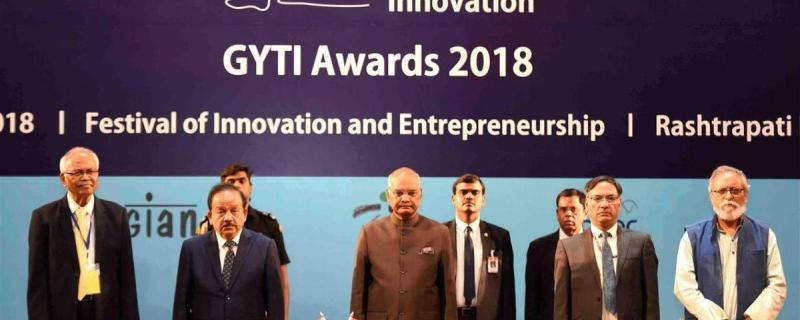
The Hon’ble President of India Shri Ram Nath Kovind inaugurated the Festival of Innovation and Entrepreneurship (FINE) organised by the Rashtrapati Bhavan in association with the National Innovation Foundation (NIF) India and the Department of Science and Technology, Government of India.

Search Research Matters