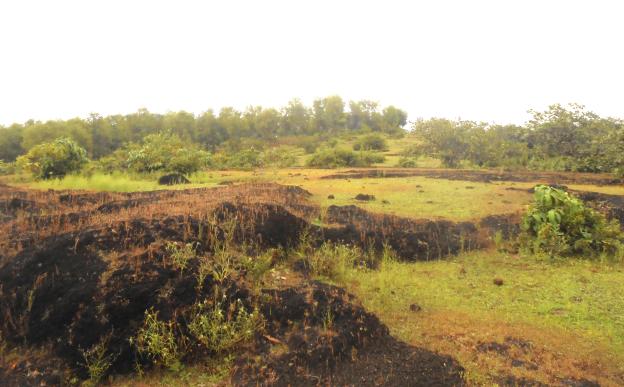
A new open-source satellite tool has revealed the critical ecological and economic importance of India’s Open Natural Ecosystems, challenging the colonial-era classification of these biodiversity hotspots as unproductive wastelands.

Science

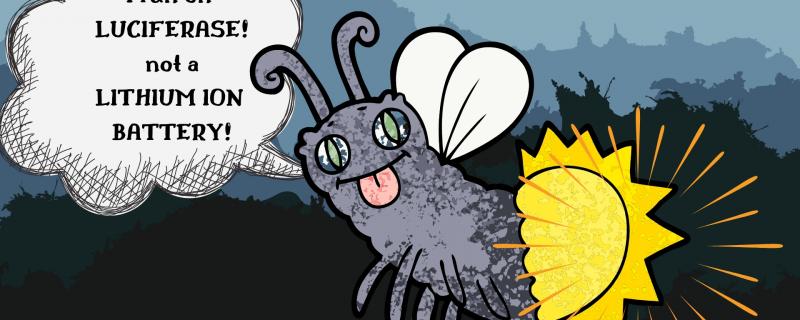
Fireflies, also called jugnoo in Hindi are fascinating creatures that glow in the dark with unique patterns. Even though they are called ‘fireflies’, scientifically they are considered beetles from the Lampyridae family. The light that we see coming out of these insects is the result of bioluminescence, a phenomenon where an organism emits light through a chemical process.
 

Bengaluru

 A recent study explores how childhood vaccination among children in India has impacted the level of education attained by them as adults.


Bengaluru

In a recent study published in the Behavioral Ecology journal, Dr Anand Krishnan from the Indian Institute of Science Education and Research (IISER) Pune, studied birds’ singing activity and changes in the community structure of singing birds, before and after the arrival of migrant birds. The findings serve as a framework for monitoring rapidly-changing urban habitats through vocal birds and their singing behaviour. 

Bengaluru

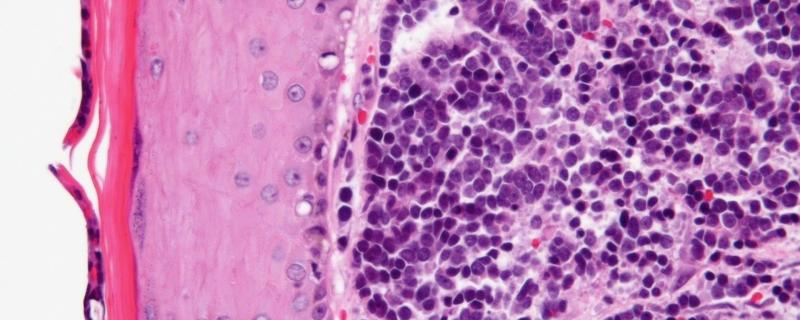
In the first-ever study from India, researchers at the National Centre for Biological Sciences (NCBS), Bengaluru and the Tata Memorial Hospital, Mumbai, have analysed how prevalent the Merkel Cell Polyomavirus (MCV) is in India. 

Bengaluru

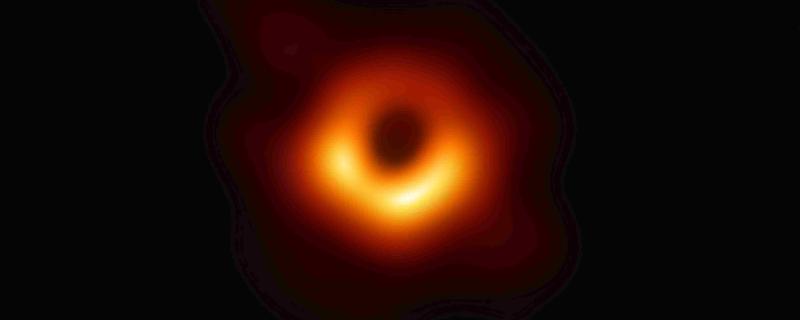
Researchers investigate the effects of dark matter particles on the growth of black hole shadows. 

Bengaluru

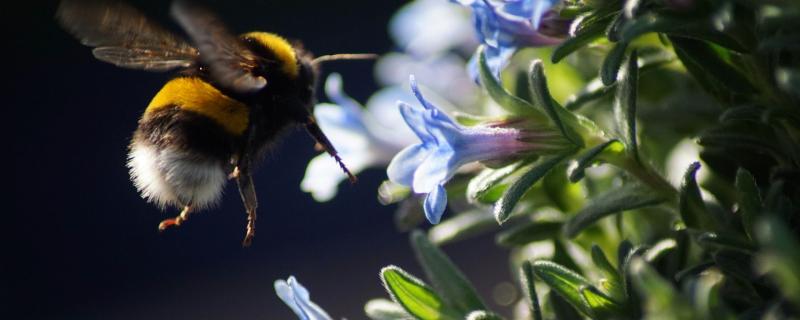
Study uses three-dimensional simulations to understand how flying insects navigate their terrain

Karnal

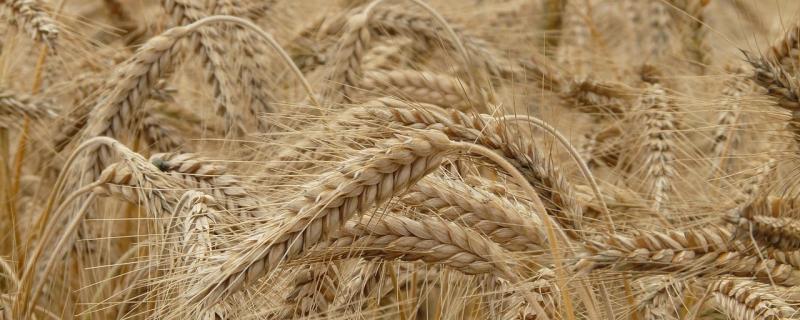
Researchers from ICAR-Indian Institute of Wheat & Barley Research, Karnal, and ICAR-Indian Agricultural Statistics Research Institute, New Delhi, have proposed a faster and reliable approach to identify different varieties of wheat. Using a mix of software engineering, mobile application development and genetic analysis, they have developed a new web-based server called VISTa—the first-ever plant variety identification system in the world—to identify wheat varieties.

Bengaluru

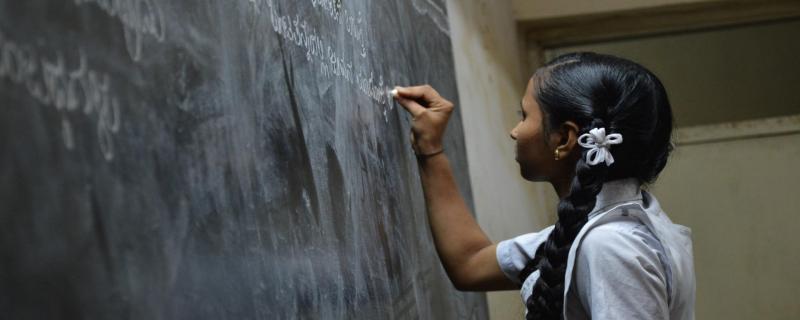
In India, the school education system puts a higher emphasis on grades than on practical learning, thus encouraging practices like late-night studies and changes in eating and sleeping routines during weekdays and weekends. So how badly are India’s adolescents affected by this? In a recent study, researchers at the Chaudhary Charan Singh University, India, analysed the complex relationship between these lifestyle changes and the disruptions in the circadian cycles among students from classes IX, XII and the first year of college.


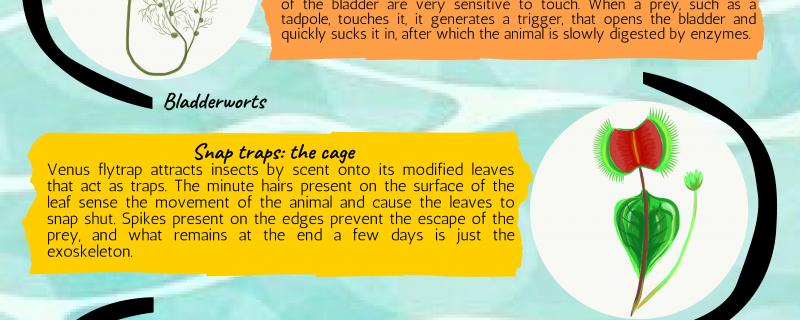
Carnivorous plants may not be the first thing that comes to one’s mind when thinking about plants. But, these mysterious plants are a fantastic example of nature’s way to adapt to different environmental conditions.

Dhanbad

In a recent study, researchers from the Indian Institute of Technology (ISM) Dhanbad have developed a blood glucose sensor to monitor blood sugar using light. It can measure a wide range of values of blood glucose, between 10 to 200 mg/dl, say the researchers. The average blood sugar level in healthy adults when fasting is between 70 to 120 mg/dl.

Search Research Matters