Physicists at the Indian Institute of Science (IISc) have discovered that pure mathematical formulae developed by Srinivasa Ramanujan over a century ago for calculating the value of pi are fundamentally connected to modern high-energy physics.

Science

Dhanbad

In a recent study, researchers from the Indian Institute of Technology (ISM) Dhanbad have developed a blood glucose sensor to monitor blood sugar using light. It can measure a wide range of values of blood glucose, between 10 to 200 mg/dl, say the researchers. The average blood sugar level in healthy adults when fasting is between 70 to 120 mg/dl.

Bengaluru

“As the world confronts the COVID-19 pandemic, humanity’s victory over smallpox is a reminder of what is possible when nations come together to fight a common health threat,” said Tedros Adhanom, Director-General of the World Health Organisation (WHO), in a recent media briefing.

Bengaluru

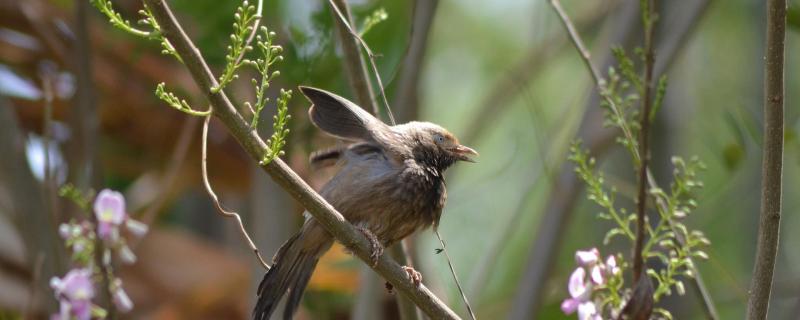
A new international citizen science platform wants you to capture birdsongs in the dawn. 

Bengaluru

Researchers investigate what factors drive migration in South Asia and its benefits in adapting to climate change.

Bengaluru

Being "environment friendly" or "eco-friendly" is the 'in thing' today. Aiming a zero-waste or vegan or carbon-neutral lifestyle are now trendy. The recent climate strikes and the declaration of a 'climate emergency' have raised awareness on environmental issues, motivating behavioural change in people towards sustainable lifestyles. However, do people tend to perceive themselves as better than others in living such a planet-friendly life? Yes, says a study by researchers at the University of Gothenburg, Sweden.

New Delhi

Researchers from IIT Delhi have found that variations in temperature affect crop production and worker efficiency—two crucial pillars of India’s economy.

Bengaluru

In a recent study, researchers from the Indian Institute of Science and Education Research, Kolkata, have investigated the nest architecture of a species of Indian ant, called Diacamma indicum.

Bengaluru

A curious question in science is to know how these different types of lions evolved and how different are today’s lions from their ancestors. In a new study, an international team of researchers have tried to answer these questions by analysing the genes of extinct and living lions. The study, published in the Proceedings of the National Academy of Sciences (PNAS), finds that about 500,000 years ago, modern and now-extinct lions shared a common ancestor. Further, about 70,000 years ago, two different lineages of modern lions emerged. The findings also have implications on the conservation of the remaining lion population, which is just 10% of what it was a century ago.

Bengaluru

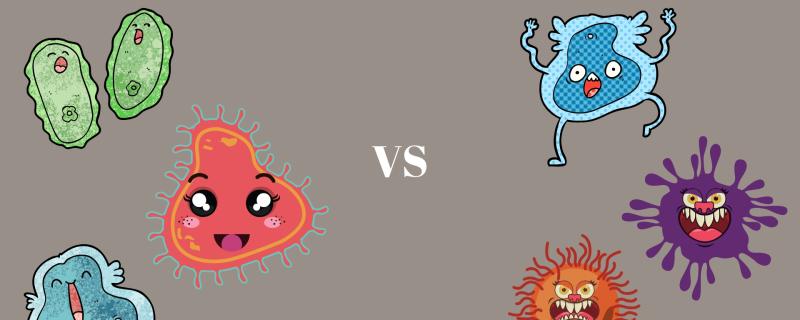
Scientists from ICAR-NDRI, Karnal, have observed the competition between our natural gut bacteria and pathogenic bacteria closely. They have identified some proteins involved in this interaction and have also produced microbeads, embedded with these proteins, that have the potential for oral administration to fight pathogenic bacteria. 

Bengaluru

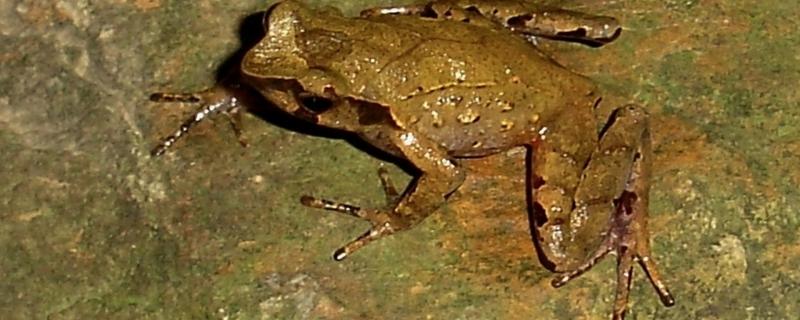
Three new species of horned frogs discovered from the forests of Northeast India. 

Search Research Matters