Ecology

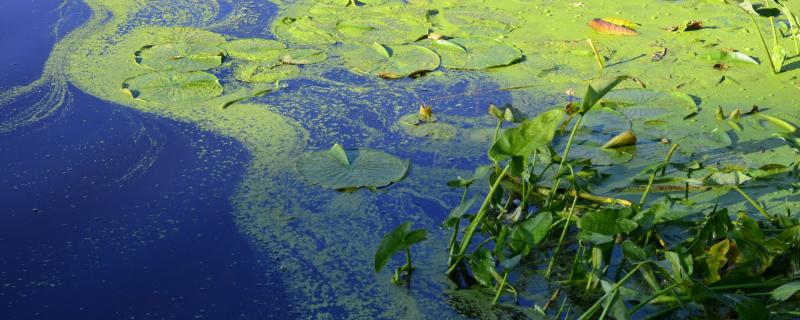
Chlorella pyrenoidosa is a type of freshwater algae found around the world. It has been used in traditional Chinese medicine for a long time, and in recent times, emerged as a leading candidate for the production of biodiesels. Toxic algal blooms, can be seen covering ponds and lakes, and happens due to a rapid growth of algae in the waterbody. Since some of these algae produce toxins harmful to humans and other animals, toxic algal blooms generally lead to a decrease in the amount of fish in the water and amount of life surrounding it.

[field_op_main_image]

Captivity and confinement has had devastating effects on humans and the same can be true in the case of wild animals, especially the big cats. In this new study, scientists observe the hormones produced by captive big cats, like the Bengal Tiger or Leopard, to measure the amount of stress they endure during captivity. The study also throws light on stereotypy -  a coping mechanism developed by captive animals, and its relation to the amount of stress they experience. 

When on a beach or by a large water body, many of us would have seen a handful of crab species. It is an absolute delight to see these decapod (ten-footed) crustaceans dart across open patches of sand side ways, then stop abruptly only to dash away again! While many might associate crabs with the marine environment, there are approximately 13,000 known species of freshwater crabs in the world. In India, the state of Kerala boasts of the highest number of freshwater crab species, providing a home to 28 of the 94 known freshwater crab species.

In nature, survival and reproduction are the two of the most effective drivers that shape animal behavior. In evolutionary biology, the individual who makes a larger contribution to the gene pool of the next generation is said to be ‘fitter’ than other individuals. When reproduction plays such an important role in the life cycle of an animal, it is obvious that a lot of energy goes into attracting and securing mates.

The warming climate has made the world panic. Although some countries are still skeptical, most scientists agree about the inevitable rise in the temperature of the planet by the year 2030. Several countries have already started a shift towards renewable sources, like solar and with the Paris agreement, the world joined this movement.


[field_op_main_image]

Invasive plants pose a major threat to the native vegetation of an ecosystem, resulting in severe competition for resources and in some cases, complete replacement of native plants by alien plants. Lantana camara is a well-known alien plant in India that has spread like wildfire and needs better strategies to manage this invasion. Since seed dispersal plays a major role in the spread of this shrub, a new study now attempts to understand how this plant succeeds in attracting various fruit eating birds that act as seed dispersers. By understanding how Lantana attracts these birds, better strategies to manage the weed could be developed, say the researchers.


[field_op_main_image]

India is home to not just a huge number of people, but also a myriad range of animals and plants. So it isn’t surprising when scientists discover new species of these animals and plants every now and then. And to add to the list of new discoveries, three geckos have now been identified by a team of researchers. For the first time, after 130 years, the discovery of these geckos have take the total number of geckos found in India to 11. Found in various habitats and across many parts of the country, the discovery of the geckos adds to the ecological richness around us and gives more insights into these lizard-like organisms and their lives.


[field_op_main_image]

Termites are renowned architects whose mounds have inspired many building designs around the world. But did you know how termites build their mud castles? A new study has tried to understand how termites use boluses -- a combination of mud and saliva acting as bricks -- to build their mounds. The study also throws light on the properties of materials the termites prefer to use to build mounds and discusses reasons behind the same. This study, the researchers claim, is a first towards understand the unique procedure followed by nature’s best architects in building some of the finest castles. 


[field_op_main_image]

Tigers, a well-known member of the cat family and India’s national animal is unique in many ways. Once found abundantly in the tropics of Asia, tigers today have little to call home or family. Their numbers have seen a sharp fall in the recent years, thanks to habitat destruction and poaching. While conservation efforts are on to protect this endangered species, there is still a long way to go before these shy cats can roam the jungles as kings. Today, on the event of International Tiger Day, here is a snapshot on what’s troubling them and how we know about it.


[field_op_main_image]

The mangrove ecosystem is a fragile ecosystem found in the tropical and subtropical sea shores and houses a variety of plants and animals. Some of these have evolved special adaptation techniques to thrive in the salt-rich low-in-oxygen soil, and have supported human communities around the forests. Today, on the occasion of the ‘International Day for the conservation of the mangrove ecosystem, here is a snapshot of the importance of mangroves and why conserving them is the need of the hour today.

Search Research Matters