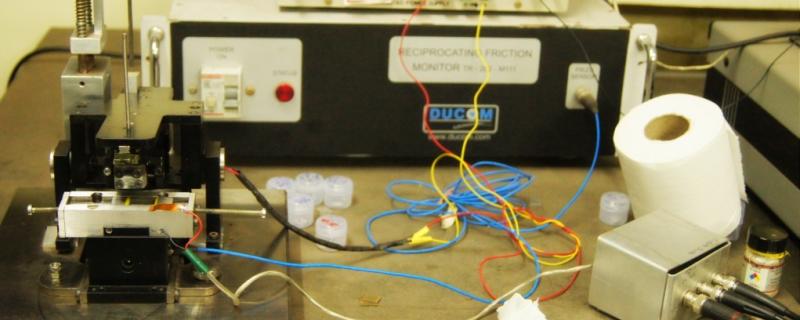
In a recently published study, scientists at the Indian Institute of Science, Bangalore, are addressing one of the biggest challenges faced by many appliances - wear and friction due to usage. Wear and friction affects the lifetime of industrial equipment, which directly correlates with the profitability of the business. The teams of researchers, led by Prof. M.S. Bobji at the Department of Mechanical Engineering are now experimenting with alumina based nanocomposite coating for wear resistance.
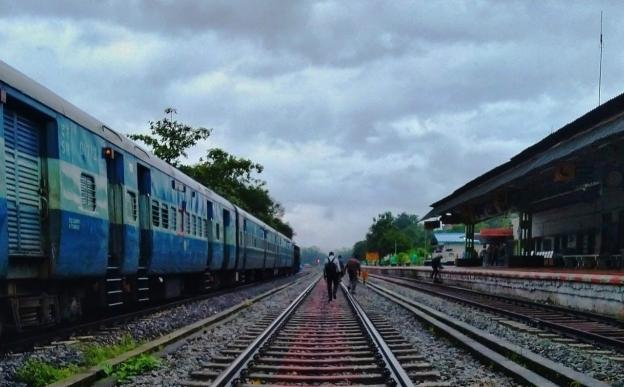
மும்பை ஐஐடி மற்றும் இந்திய ரயில்வே ஆராய்ச்சியாளர்கள், ரயில்வேயின் செயல்திறனை மேலும் அதிகரிக்க, வாரத்தின் சில நாட்களில் மட்டுமே இயக்கப்படும் ரயில்களை ஒரே குழுவாக இணைத்து, திட்டமிடலில் ஒரு புதிய மாற்றத்தைக் கொண்டுவந்துள்ளனர்