If you just relished a cup of yogurt or a platter of cheese, its time to thank the cook – bacteria! Yes, these microorganisms cook up the magic by converting the lactose in milk into lactic acid, thus giving a relishing taste. However, bacteria are often associated with diseases and despair they bring about – think of tuberculosis or ulcers – and are despised.
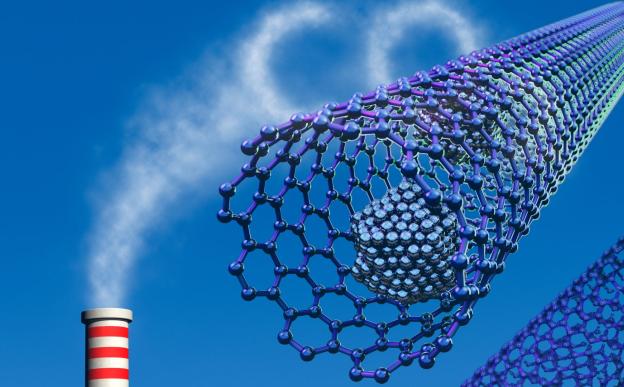
Researchers from BITS-Pilani, Hyderabad, have developed a safer, fluoride-free synthesis method for metal-organic frameworks that significantly boosts their capacity to capture greenhouse gases and store clean fuels at room temperature.