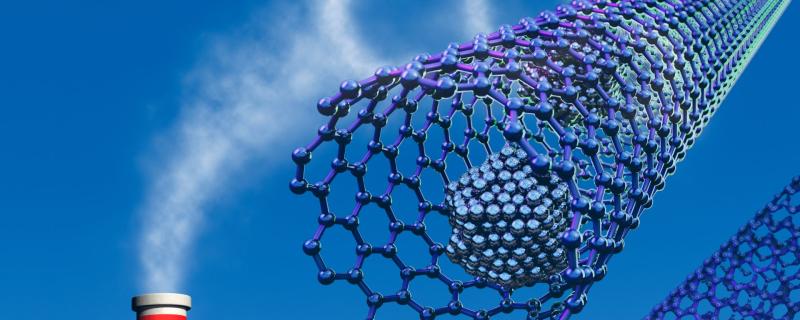
Researchers from BITS-Pilani, Hyderabad, have developed a safer, fluoride-free synthesis method for metal-organic frameworks that significantly boosts their capacity to capture greenhouse gases and store clean fuels at room temperature.
General

Hyderabad

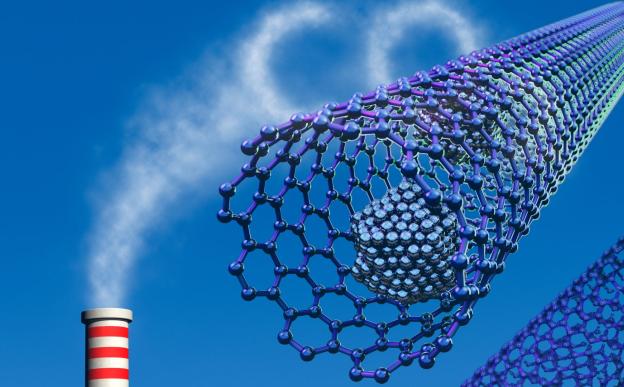
Researchers from BITS-Pilani, Hyderabad, have developed a safer, fluoride-free synthesis method for metal-organic frameworks that significantly boosts their capacity to capture greenhouse gases and store clean fuels at room temperature.

Mizoram

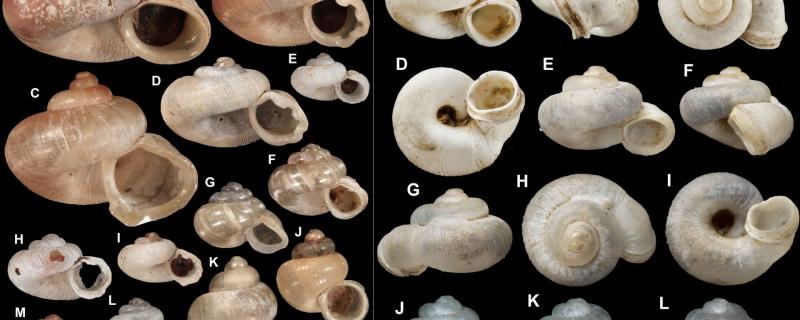
A team of international researchers has discovered seven species of land snails previously unknown to science during an expedition to the 'Blue Mountain' of Mizoram, a remote region in northeastern India.

Dehradun

Researchers from WII Dehradun have developed high-precision, low-cost mitochondrial markers that allow them to accurately identify rhesus macaques from hair and faecal samples, even in habitats shared with nearly identical species.

New Delhi

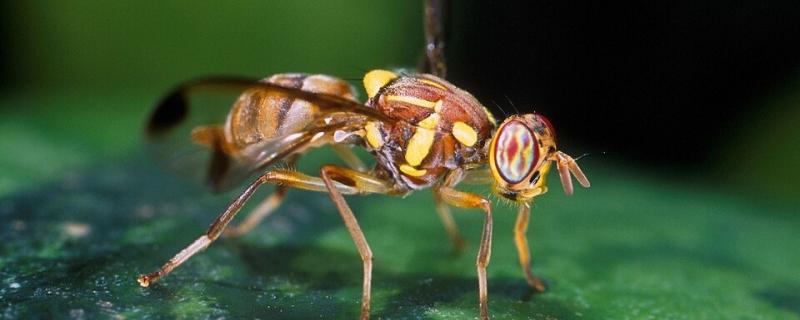
Researchers from ICAR-IARI have developed a highly sensitive, field-deployable LAMP assay that identifies the invasive melon fly in under an hour using simple visual colour changes, providing a robust new tool for global biosecurity.

Roorkee

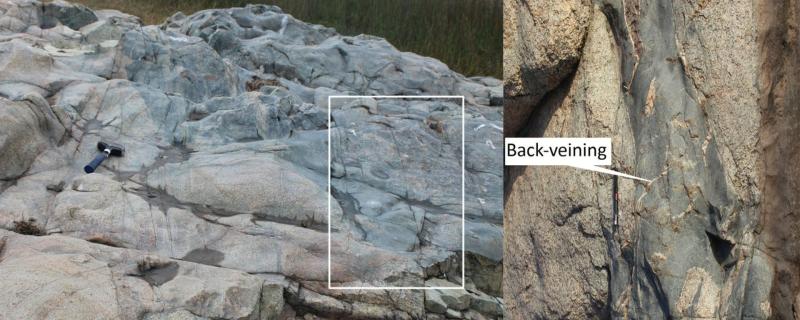
Microscopic evidence reveals how cooling magma chambers were recharged by fresh volcanic injections 2.5 billion years ago to shape the stable foundations of the Indian subcontinent.

Kharagpur

Researchers from IIT Kharagpur, IISc and ISRO have discovered that balancing microscopic nanoparticles with flexible metallic structures allows ultra-low carbon steel to achieve a mix of extreme strength and crack resistance.

Kharagpur

Integrated metabolic profiling reveals how tropical shrubs coordinate carbon resources to prioritise defence through nectar and reproduction through scent.

Guwahati

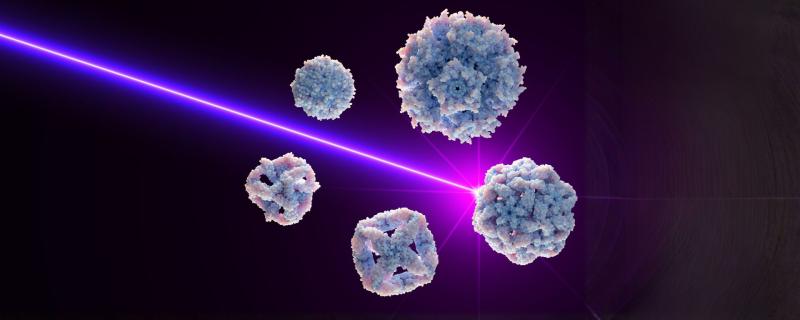
IIT Guwahati researchers have discovered a way to precisely control the internal structure of molybdenum oxide nanoparticles using lasers and heat, paving the way for advanced medical treatments and more efficient energy storage.

Hyderabad

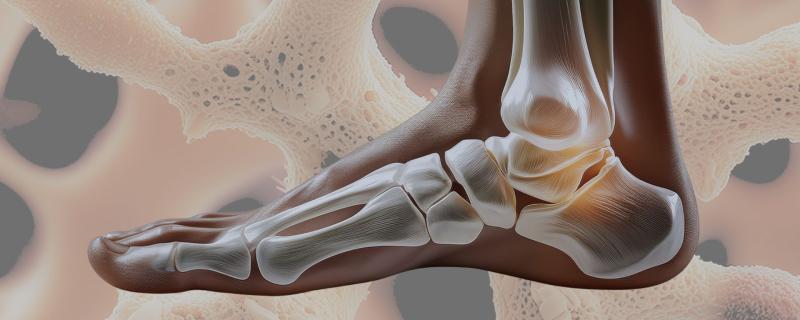
Researchers at BRIC-National Institute of Animal Biotechnology have developed multifunctional strontium-doped nanoparticles that can simultaneously promote new bone growth, build blood vessels, and fight dangerous infections.

Lucknow

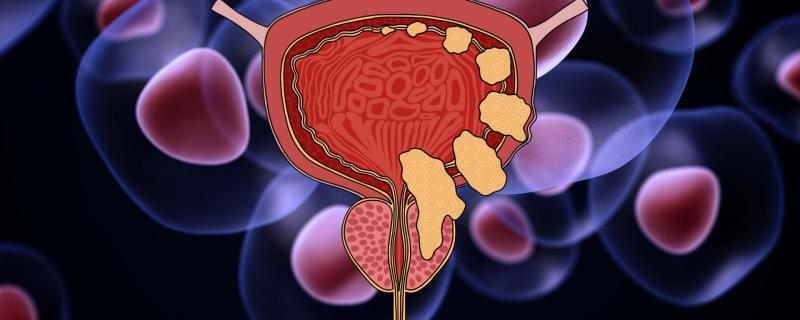
New research from University of Lucknow and King George’s Medical University shows that specific protein markers involved in cellular recycling can predict how aggressively bladder cancer will return in patients, potentially allowing for more personalised treatment.

Search Research Matters