Novel scheme by IIT Bombay researchers to control drones can enable complex formation flying using only camera data, without GPS or inter-drone communication.


Archives

Cancer, as a disease, is a puzzle on its own and scientists across the world are looking for hints from all sides to crack it. Now, what if previous research on cancer itself acts as a hint and guides new developments? That is exactly what scientists have done using bioinformatics. By scouting previous research on circulating tumour cells, scientists have identified the molecules responsible for metastasis in cancer. This discovery, they believe, can help not only in understanding the spread of cancer, but also in identifying new drug targets against the killer disease.

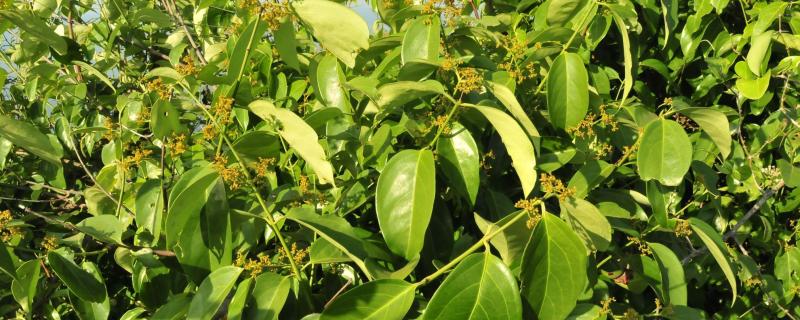
Lentil (Lens sp.)  is an edible pulse cultivated as a staple food throughout the regions of India, Sri Lanka, Pakistan, Bangladesh and Nepal. It is an important dietary supplement in the Indian sub-continent.

India as a nation is no stranger to the epidemic of diabetes. Most of us would know of someone in our extended group of family and friends, who is suffering from this ‘silent killer’ disease.

Do you wish sometimes that you didn’t understand the consequences of cancer? The disease continues to terrorize mankind, mentally and economically. In order to develop therapy, you need suitable drug targets. Step in, non-B structures. These are simply, irregular DNA structures.

The need for effective and rapid bone regeneration treatments is crucial now more than ever, due to the ever-rising number of bone defects and fractures. Conventional bone regeneration like grafts suffer from a shortage of available donors as well as added complications due to the immune rejection of the grafts.

The art of doing science lies in logical thinking where research evidences chart the direction of evolving understanding of everything around us. Since, the people who do science, the researchers, are human, invariably, science is subject to our thinking biases and our behaviour. Now, a new study explores how the ‘human’ aspect of scientists can affect science and what biases can creep in the scientific community. Keeping an eye on these biases and involving this aspect in the process of doing science may result in better research, argues the researcher. Find more about these biases and their result on scientific epistemology. 

Polycyclic aromatic hydrocarbons (PAHs) are a group of chemicals produced after burning wood, coal, garbage, gas and oil. PAHs might occur naturally from sources like volcanoes and forest fire or they might be produced by various human activities. More than 100 PAHs are known and many of them are very common around us.

Artecology Initiative presents a unique performance -- How to be a fig -- to help audience connect with nature and their environment. Involving artists and researchers, this unique performance wishes to showcase the amazing life of a fig tree and its connection with other organisms in its life cycle. Learn more about how to be a fig by attending this unique performance on the 23rd September, 2017 at the J N Tata Auditorium, IISc.

The push for renewable energy has been greater than ever in the recent past, thanks to the realisation of the fact that fossil fuels and other forms of energy wreak havoc on the environment. India, like many other countries, has ambitious goals for producing electricity using renewable sources for 2022. In our rush to chase this goal, how are our policies crafted? Are they a win-win situation for the producers and the customers? Or are they making renewable energy all the more expensive, thus defeating the purpose of the switch? A new study now examines how renewable energy policies are structured and recommends some changes to make them effective and help us reach our 2022 goals.

Search Research Matters