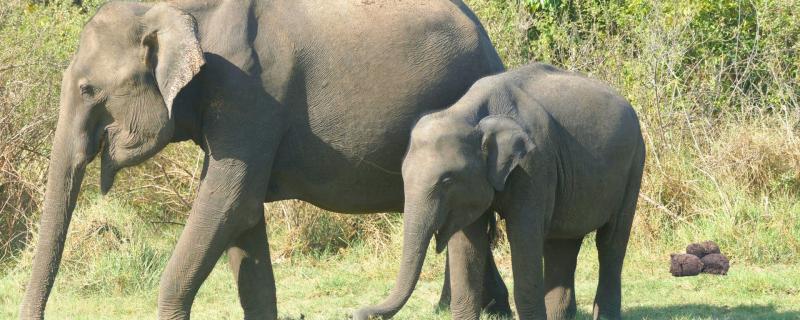
New research from India reveals that, contrary to long-held scientific beliefs, feeding on trees and shrubs does not provide Asian elephants with more protein than grazing on grass.

WII Dehradun

Dehradun
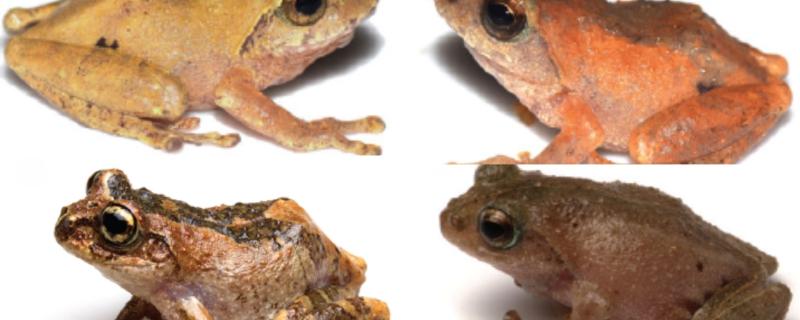
Image: 4 of the new species of bush frogs. Credit: Authors https://doi.org/10.3897/vz.75.e148133

A revision of the tiny, elusive bush frogs of Northeast India has led to the formal description of 13 new species, boosting the region's known amphibian diversity. 
Dehradun

Researchers used genetic tracking and spatial modelling to overcome the limitations of dung counts, providing a reliable census of Asia's threatened elephants.

Dehradun

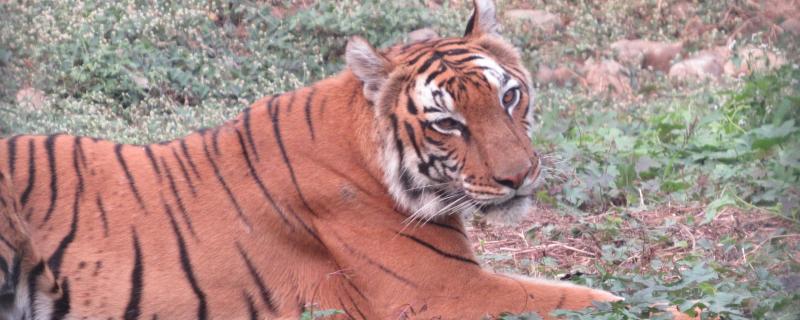
Tigers are master adapters, dynamically shifting their movements to survive in landscapes shared with humans, from cautious exploration as youngsters to strategic navigation as adults.

Bengaluru

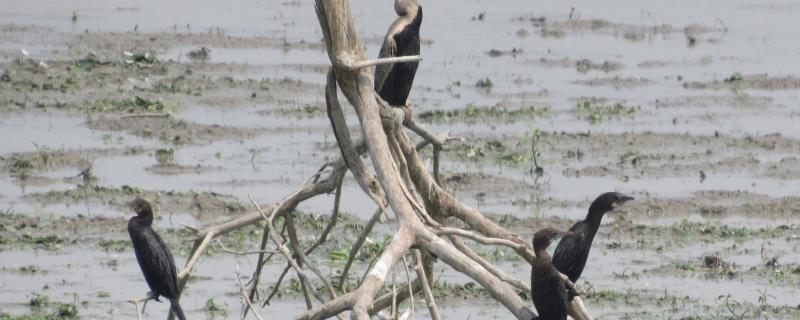
The State of India's Birds 2023 report offers a comprehensive health check for India's avian residents, revealing critical insights into their long-term survival. The report paints a concerning picture for many of India's bird species.

Uttarakhand

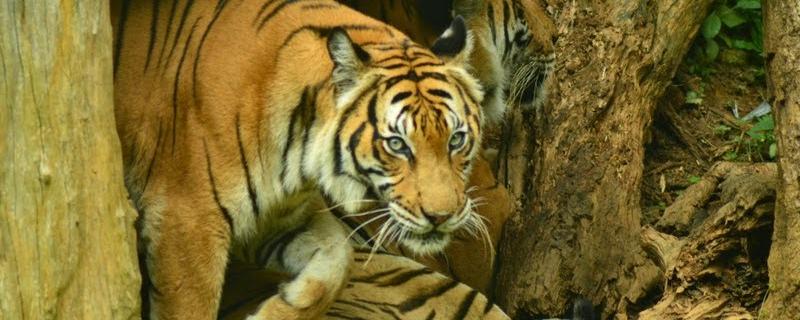
In the heart of Central India lies the Panna Tiger Reserve, a sanctuary that has seen a remarkable revival of its tiger population thanks to reintroduction efforts. But how are these majestic creatures adapting to their new environment? A team of researchers from the Wildlife Institute of India (WII) Dehradun is trying to find out.

Bengaluru

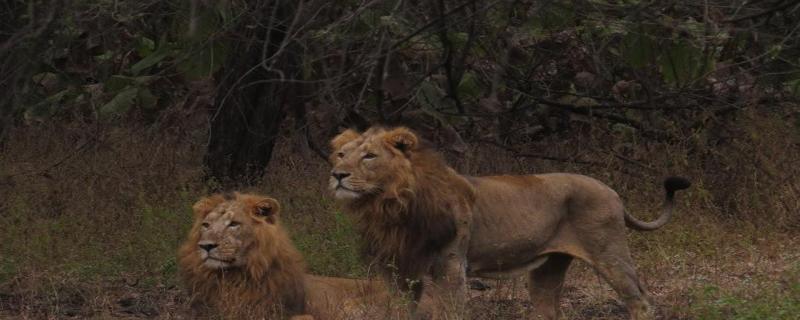
A new study proposes an improved approach to determine lion densities and identify factors that affect their abundance, but there may be flaws say some.

Search Research Matters