
Ecology
New Delhi

Bengaluru

New research reveals that as logged forests become hotter and drier, birds forced to live outside their specific temperature and humidity preferences suffer from lower body weight and reduced survival rates.
Dehradun
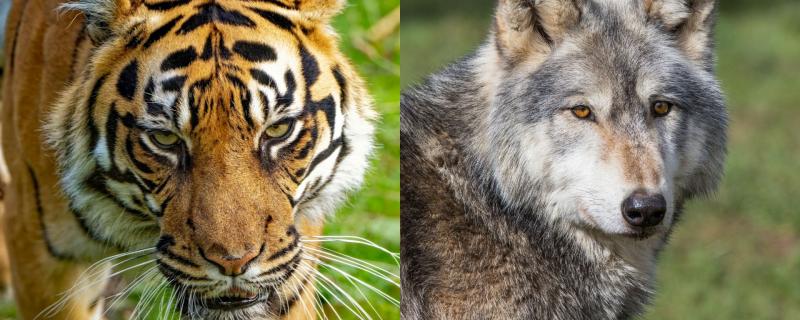
New research reveals that cultural tolerance and political pressure, rather than just biological science, dictate the life or death of tigers in India and wolves in Germany.
Nagpur

Satellite analysis confirms rising temperatures and wind patterns are driving aerosol spikes across India, with a record high in 2022 following the historic lows of the COVID-19 lockdown.
Wayanad

Image: Dolomedes indicus, Adult Female (left) and adult male (right). Credit: Authors https://doi.org/10.1038/s41598-025-26308-2
Bengaluru
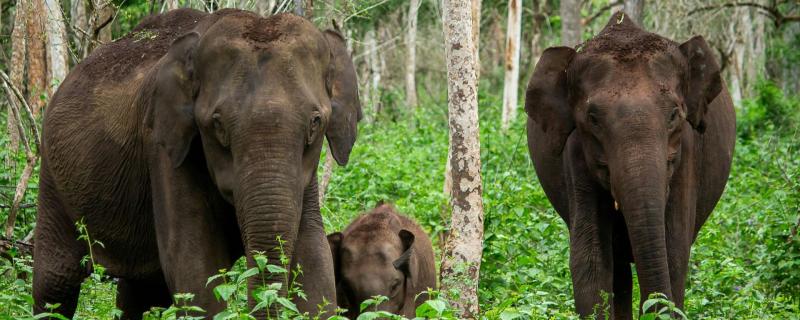
New research from India reveals that, contrary to long-held scientific beliefs, feeding on trees and shrubs does not provide Asian elephants with more protein than grazing on grass.
Berhampur

New research reveals that while cyclone-hit eagles are adapting to nest on power pylons and telecommunication towers, these artificial homes act as ecological traps that significantly reduce the number of chicks that survive to fly.
Dehradun
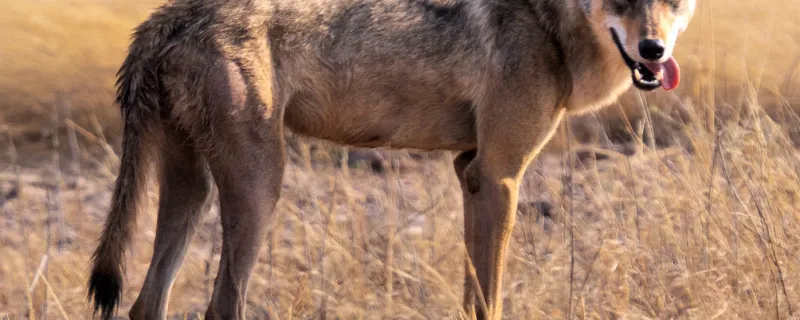
A new study reveals that while older shepherds in India revere wolves as sacred guardians, the younger generation increasingly views them as financial liabilities, posing a new challenge for wildlife conservation.
Kolkata

Image: Graphical representation of dust and microbe transport. Credit: Authors, https://doi.org/10.1016/j.scitotenv.2025.180981
Kodagu

A new species of damselfly, the Kodagu Shadowdamsel (Protosticta sooryaprakashi), sporting vibrant sky-blue markings, has been discovered in the biodiversity hotspots of India’s Western Ghats.