
In a recent study, researchers from the Indian Institute of Technology Kanpur have explored the use of a new blend of chromium (III) as an eco-friendly electrolyte for depositing chromium-based coatings on metallic barrels. They reinforced chromium with carbon nanotubes (CNTs) and a ceramic compound called yttria stabilised zirconia (YSZ), to improve the properties of the coat.
Archives
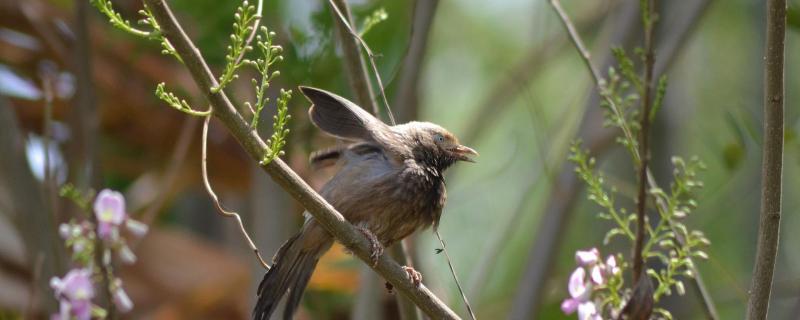
Every year, the 12th of November is observed as National Birdwatching Day, to mark the birth anniversary of India’s legendary ornithologist, Salim Ali. Regardless of where or when you watch birds, an intimate connection with mother Nature follows. On this national birdwatching day, try birding for a change and see what windows it opens up for you when you sit beside your window looking at the world through a binocular.
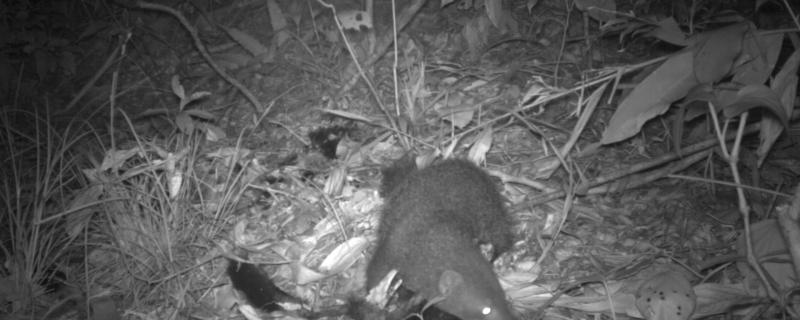
In a recent study, Mr Kamath, now a researcher at Gubbi Labs, Bengaluru, along with Dr Seshadri KS, a researcher at The Madras Crocodile Bank Trust and Centre for Herpetology, Tamil Nadu, has reported the feeding behaviour of Brown mongoose. Though accidental, the study adds knowledge about some previously unknown behavioural aspects of these elusive mongooses. It is published in the Journal of Threatened Taxa.

Imagine just switching on your lights and downloading a movie in a second. The world demands high-speed internet connectivity at a lower price. This increasing clamour for speed and bandwidth is opening up new avenues, and one such evolving domain is LiFi - a wireless technology that makes use of light-emitting diodes (LEDs) to transmit data.
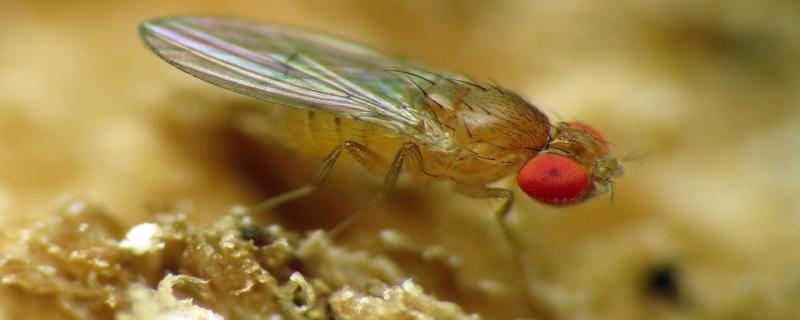
Disgusting, annoying or beneficial? What would you call these pestering fruit flies that don’t miss an opportunity to sit on your favourite cut fruit or visit your kitchen a few times? Whatever you call them, did you know we owe a great deal of our knowledge on evolution to these pesky flies?
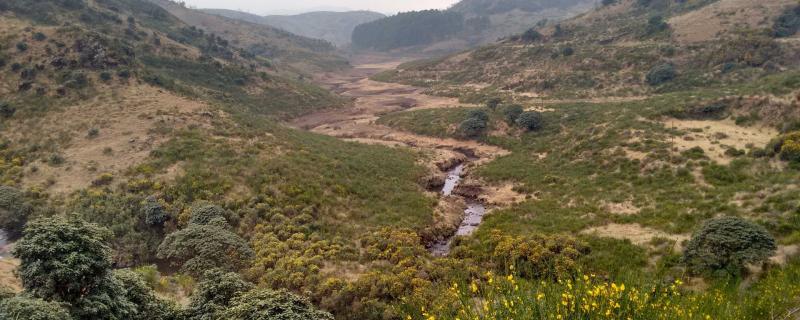
In a recent study, researchers from Sai Nath University, Ranchi, and Bharathiar University, Coimbatore, set out to quantify the impacts of natural radioactivity on the surrounding environment in the Nilgiris of Tamil Nadu. Their findings have been published in the Journal of Radiation Research and Applied Sciences.
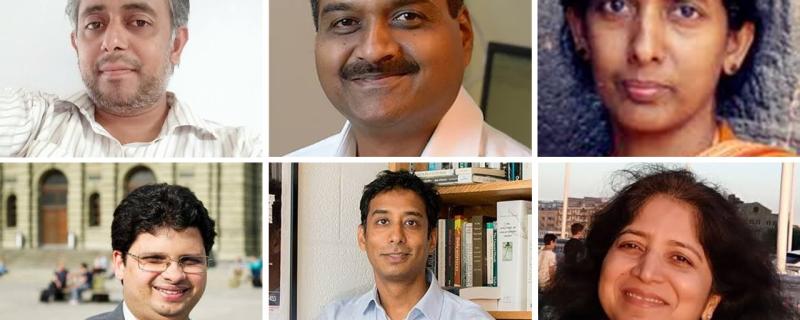
The Trustees of the Infosys Science Foundation (ISF) announced the winners of the Infosys Prize 2019 at an event held today at the Infosys campus in Electronic City, Bengaluru. The winners include Dr. Manu V. Devadevan, Dr. G Mugesh, Dr. Majula Reddy, Dr. Siddhartha Mishra, Dr. Anand Pandian and Dr. Sunita Sarawagi.
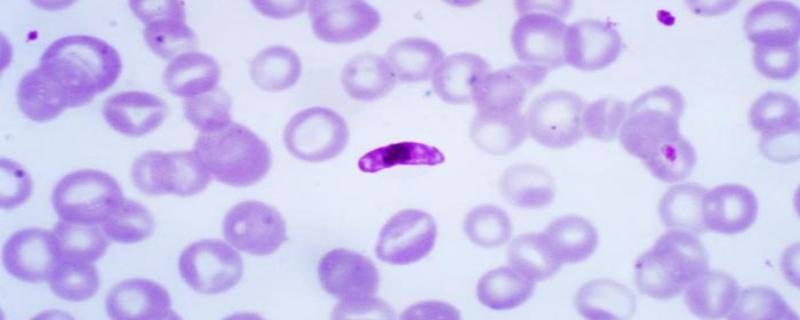
Avian malaria or bird malaria has been linked to significant declines in captive and wild birds, such as penguins and Hawaiian forest birds.
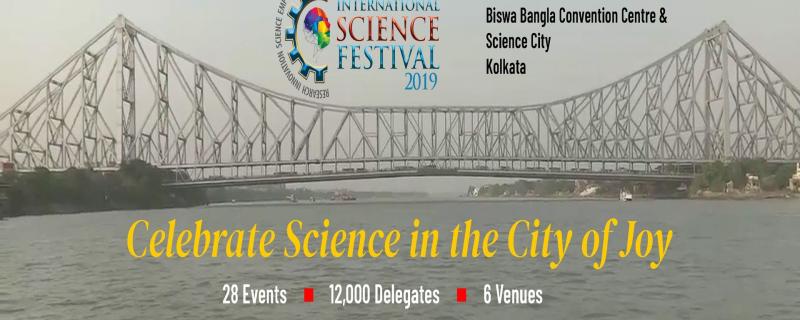
The India International Science Festival, the country’s science extravaganza, begins today in Kolkata, the City of Joy. The event, held from 5th of November to the 8th of November, 2019, is being organised by the Ministry of Science and Technology and Ministry of Earth Sciences, Government of India, in association with Vijnana Bharati (VIBHA).
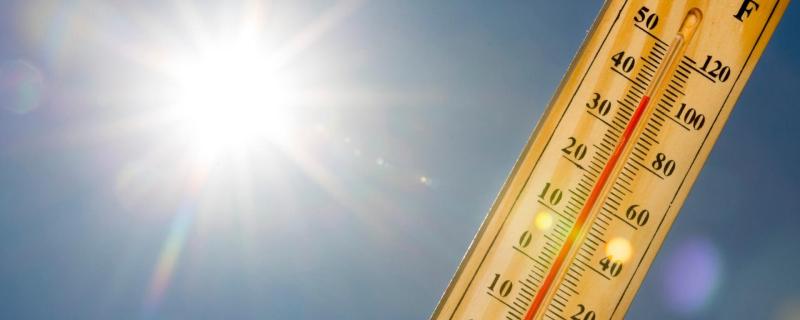
A recent assessment by the World Meteorological Organisation has declared heat waves as the deadliest extreme weather event in the years 2015–2019, causing more than 8,900 deaths globally. In May 2015, temperatures crossed 45°C in Odisha and Telangana in the fifth deadliest heat wave in history, with a death toll of 2,300. With 30% of the global population living in regions susceptible to 20 heat wave days in a year and the rising global temperatures, one can conclude that its toll will only increase in the years to come. In such situations, warnings about impending heat waves can be lifesavers. However, very few studies have focused on such a prediction system to date, with none looking at real-time predictions. Now, researchers have developed a prediction system to predict heat waves a couple of weeks in advance. The study, funded by the Ministry of Earth Sciences, Govt. of India, was published in the journal Scientific Reports.