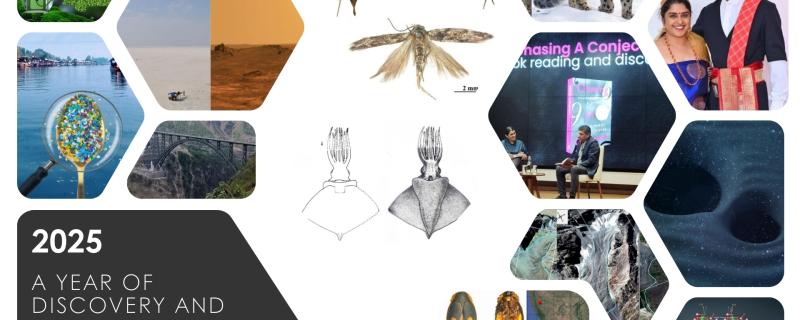
A look back at the fifteen key stories of the year on Research Matters, showcasing the ingenuity and dedication of the Indian scientific community in 2025.
Archives
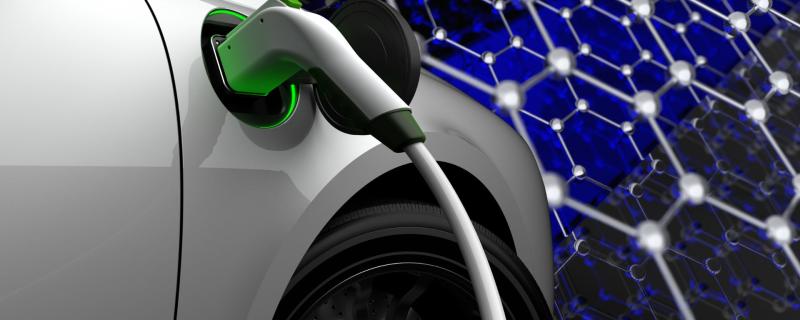
Research reveals that graphene-enhanced batteries can slash electric vehicle charging times by up to 27% while cutting battery weight by more than half, potentially solving the biggest hurdles to green transportation.

Professor Khare discusses the vulnerability of research, the charm of number theory, and why mathematics is central to human culture.
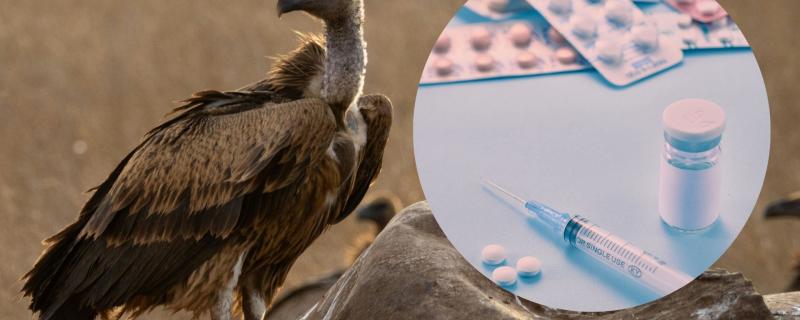
Despite successful bans on the veterinary drug diclofenac in Nepal and parts of India, a decade-long undercover investigation reveals that toxic alternatives like flunixin and nimesulide are rapidly replacing it, posing a renewed existential threat to the region’s critically endangered vulture populations.
'Art meets Science': New VOICE fellowship launched at IISER Pune to help regional science journalism
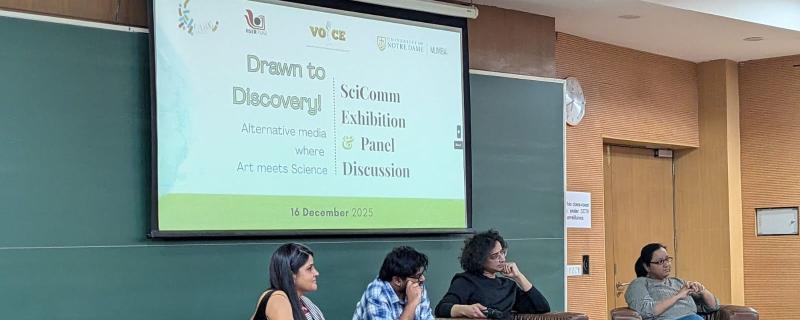
The Indian Institute of Science Education and Research (IISER) Pune on Tuesday launched the VOICE Fellowship 2025
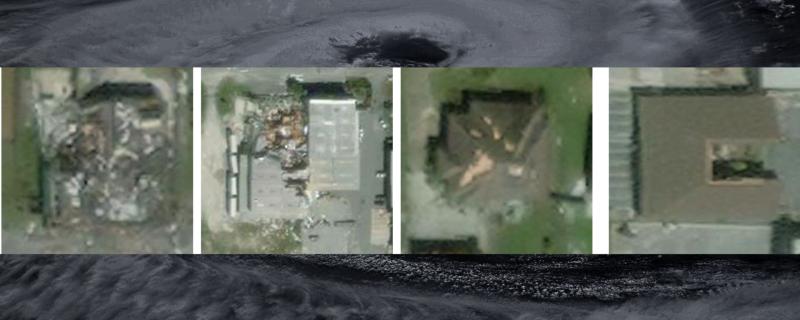
IIT Bombay’s new deep learning framework, named SpADANet, enhances damage classification accuracy using limited labels across multiple hurricanes.
आईआईटी मुंबई द्वारा विकसित नया स्पाडानेट (SpADANet) नामक डीप लर्निंग फ्रेमवर्क सीमित लेबलों का उपयोग करते हुए कई, चक्रवातों में हुए हानि के वर्गीकरण की सटीकता को बढ़ाता है।
आयआयटी मुंबईद्वारे विकसित नवीन डीप-लर्निंग फ्रेमवर्क SpADANet (स्पाडानेट) मर्यादित लेबल्स वापरूनही अनेक चक्रीवादळांमधील संरचनात्मक नुकसान अधिक अचूकपणे वर्गीकृत करू शकते.
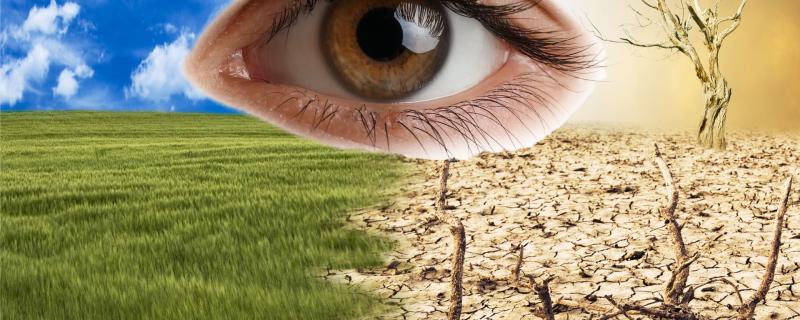
A new review reveals that rising global temperatures, increased pollution, and extreme weather events are driving a global surge in eye diseases, disproportionately affecting vulnerable communities and challenging healthcare systems.

New research reveals that as logged forests become hotter and drier, birds forced to live outside their specific temperature and humidity preferences suffer from lower body weight and reduced survival rates.