Health

Kolkata

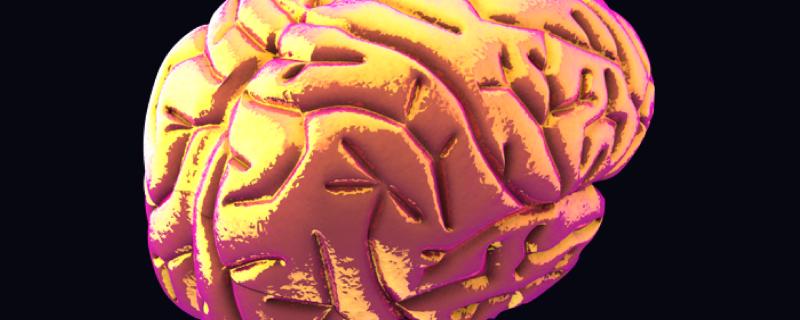
The brain is an extremely delicate organ that, like a glass artefact, needs many layers to protect it from injury. Besides the skull, the brain has three protective tissue layers called meninges. They form a protective covering around the entire central nervous system, including the brain and the spinal cord, and help to regulate different functions of the brain.
Kharagpur

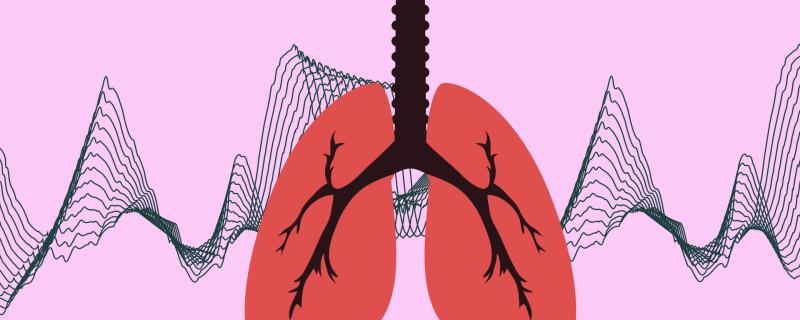
Researchers from Indian Institute of Technology Kharagpur, Kharagpur (IITKGP) and Institute of Pulmocare and Research, Kolkata have proposed a new method to detect respiratory disorders, like asthma—by listening to the sounds made by the lungs.

New Delhi

Delhi, the city once famous for the charm of the Red Fort and the elegance of Qutub Minar, is today infamous for its pollution crisis. Ranked one of the most polluted cities in the world, the air in the city is taking a toll on its residents’ health. With over 10 million vehicles registered in Delhi, it is not surprising that the air is turning toxic. But how bad is the air really in the roads of Delhi?

Bengaluru

Scientists from the Indian Institute of Science, Bangalore, study what effect tuberculosis has on the immune system of our body.

Bengaluru

Scientists from the Indian Institute of Science, Bangalore, use magnetic fields to navigate nanomotors in cells.

Bengaluru

Study by researchers from  Institute of Public Health, Bangalore investigate how successful Primary healthcare Centres are for treating non-communicable diseases like diabetes and hypertension. They find many loopholes in the healthcare delivery system.

The excruciating pain of having a failed organ and the grim chances of replacing it is a struggle of millions of patients across the globe. A ground-breaking discovery in this field, is giving a whole new definition to having one’s own personal organ! This discovery is none other than tissue engineering -- a science that has changed the face of organ transplant.

Mumbai

Researchers from ICMR-National Institute for Research in Reproductive Health, Bombay, College of Pharmacy, and Indian Institute of Technology Bombay in Mumbai used popular online algorithms and molecular dynamics, to design an effective antimicrobial peptide.

Indore

Scientists at Indian Institute of Technology Indore, Indore have developed L-lyso—a novel water soluble, fluorescent dye which can permeate the membranes of lysosomes, marking them for future tracking and imaging.

Haryana

In a first comprehensive study, researchers from the Lala Lajpat Rai University of Veterinary Sciences and Animal Sciences and G. B. Pant University of Agriculture and Technology have explored the reasons behind the prevalence of Bluetongue Virus (BTV) in the state of Haryana. BTV is responsible for causing the bluetongue disease—a non-contagious, insect-borne, viral disease caused mainly in sheep and less frequently in cattle, goats, buffalo, deer and antelopes.

Search Research Matters