New research from India reveals that, contrary to long-held scientific beliefs, feeding on trees and shrubs does not provide Asian elephants with more protein than grazing on grass.

Forest

Chennai

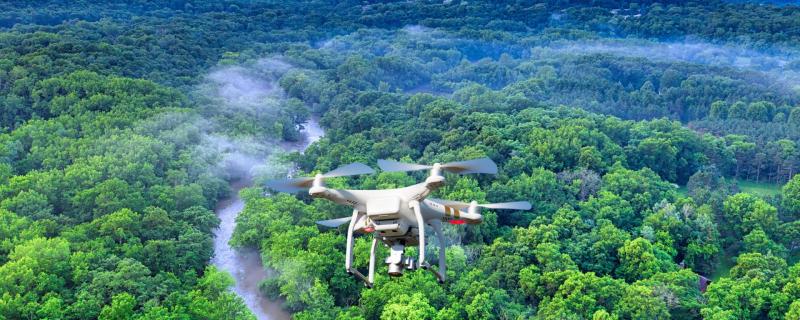
Deep learning models applied to drone images offer a fast, accurate, and scalable alternative to costly manual tree surveys.

Goa

Synergistic pressures from land use changes and climate extremes are the primary drivers behind a worrying decline in the Western Ghats' ability to absorb carbon.

Bhopal

New research reveals India's forest monitoring fails to capture social and economic health, leading to a comprehensive new blueprint that include vital social and economic dimensions and introduces a comprehensive list of 28 indicators and 64 sub-indicators to create a robust, evidence-based system for monitoring and reporting.
.

Bengaluru

IISc researhers have developed a Natural Resource Rich Regions ranking method to identify and rank areas rich in natural resources, crucial for effective conservation and sustainable development.

Mumbai

Forest gain from 2015 to 2019 is in fragmented patches, reveals a study conducted using a new framework designed by IIT Bombay and SASTRA Deemed University.

Bengaluru

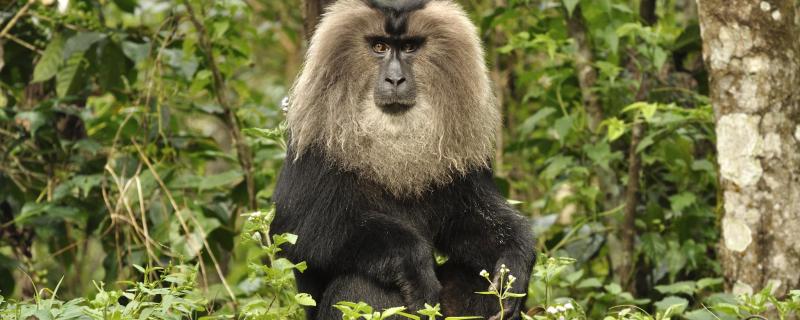
Researchers studied how these highly arboreal (tree-dwelling) primates, who are under pressure from human activity, actually use the space around them.

Aizawl

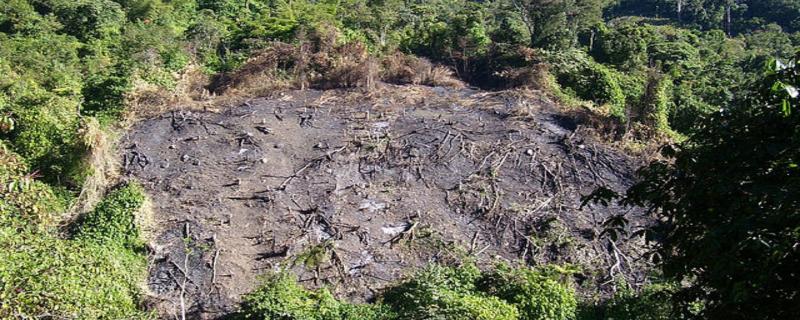
Researchers assess abandoned fallow lands in Manipur and recommend planting endemic tree species to boost forest recovery. 


[field_op_main_image]

 It is in the best interest of a tree to ensure that its seeds are dispersed to far off places where they can get good sunlight and nutrition to grow. This is carried out by the help of frugivores, who eat fruits and transport seeds in their gut. A recent study illustrates how irreplaceable elephants are as seed dispersers using computer simulation and three species of trees with large fruits. The study shows that in the absence of elephants no frugivores can disperse seeds as far or as efficiently.


[field_op_main_image]

Forests play a critical role in sustaining biodiversity on the planet, including humans. They once provided food and shelter when we were hunter-gatherers. Today, our relationship with forests is at a new level. We derive most of our energy resources from forests in the form of wood and coal. What are some of the implications of this relationship and how fragile is it getting in the future? On this International Day of Forests, here is an introspection of the same.

Search Research Matters