A new review reveals that rising global temperatures, increased pollution, and extreme weather events are driving a global surge in eye diseases, disproportionately affecting vulnerable communities and challenging healthcare systems.

General

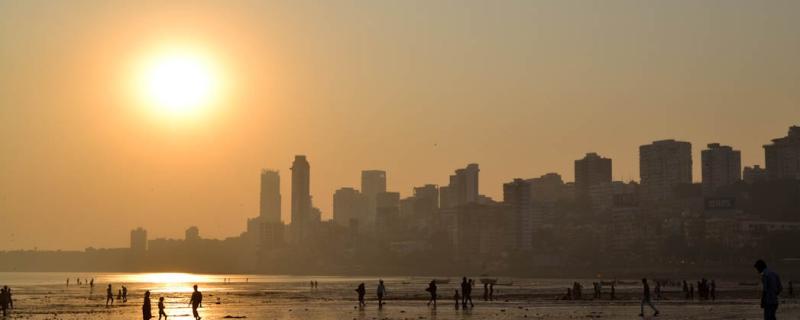
Mumbai

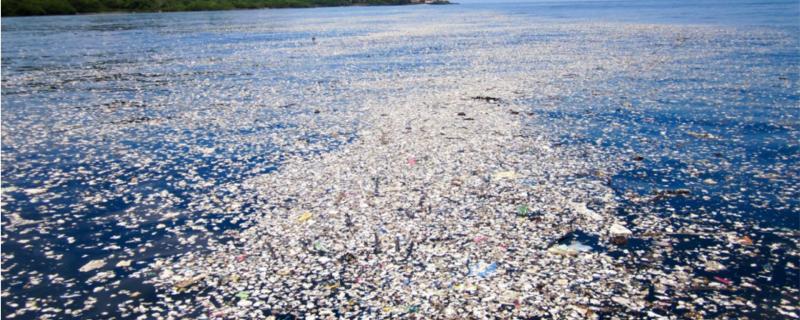
Study details how floating plastic debris can affect physical processes in the oceans 

Bengaluru

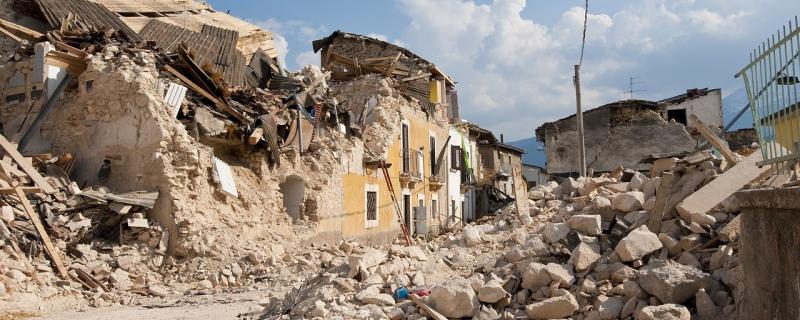
About five earthquakes of magnitude 5.0 or higher on the Ritcher scale occur on our planet every day. Researchers from the IISc, Bengaluru, King Saud University, Saudi Arabia, and BARC, Mumbai, have reported a method to better identify building sites with soil that could be susceptible to damage from earthquakes.

Bengaluru

Diabetes is a chronic, life-threatening disease affecting over 8.8% of the Indian population. These individuals often need specialised medical care and support to keep the blood glucose levels in check and ward off complications. Hypertension, a condition where the blood pressure is high, is also chronic and is known to affect about one in three adults in India. As both these conditions are chronic and life-threatening, they pose a significant burden on India’s healthcare system. But, what happens when they coexist in an individual?
A recent study, published in the Journal of Human Hypertension, highlights the plight of individuals in India, with both hypertension and diabetes.

Mumbai

Researchers at IIT Bombay develop the country’s first indigenously designed and fabricated microprocessor. 

Bengaluru

Indigenous tribal communities usually reside in harmony with their environment and possess the knowledge, passed down to them by tradition, of the nutrient-rich food available in their surroundings. These traditional foods are rich in proteins and micronutrients. Globally, almost a billion people are dependent on these foods for adequate nutrition. However, despite this treasure of knowledge and proximity to the biodiverse environment, the tribal communities face widespread malnutrition. A diverse diet, consisting of the specific indigenous foods known and accessible to these communities would fulfil the micronutrient need. But because of reasons like easy access to markets, food security programs and other opportunity costs of accessing diverse food sources, tribal communities are transitioning towards monotonous modern diets, which may contribute to hidden hunger in them.
Dr Suparna Ghosh Jerath of the Indian Institute of Public Health-Delhi (IIPH-Delhi) realised the importance of studying and documenting this treasure trove of knowledge of indigenous foods and food habits and exploring the possibility of utilising this knowledge to address malnutrition in the tribal communities.
Bengaluru

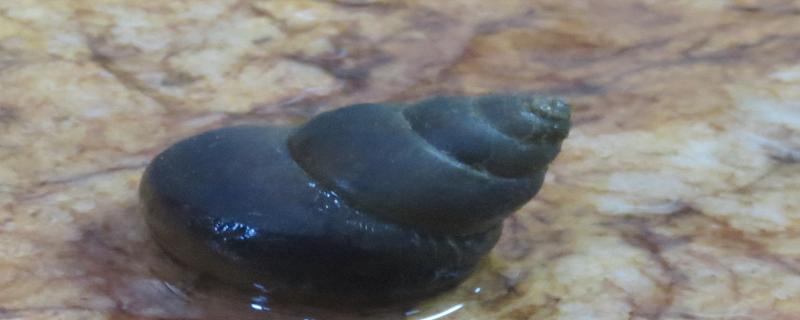
Mud snails, also known as mystery snails, live in freshwater and belong to a snail family called Viviparidae. They are found throughout the world except in South America and Antarctica. Such globally distributed species incite interesting questions about their dispersal across different continents. In a recent study, researchers in Bengaluru from the Ashoka Trust for Research in Ecology and the Environment (ATREE) and the Indian Institute of Science (IISc), investigated manifestation of these mystery snails in India.

Delhi

Researchers from the IDFC Institute, look into the sustainability of the current definition of “urban” in India.

Bengaluru

Among the illustrious list of Padma awardees for 2020 on the eve of Republic Day, the Government of India has announced Padma Shri to Prof. Kattungal Subramaniam Manilal under Science and Engineering category. He is among the eight of 118 Padma Shri awardees under the Science and Engineering category.

Bengaluru

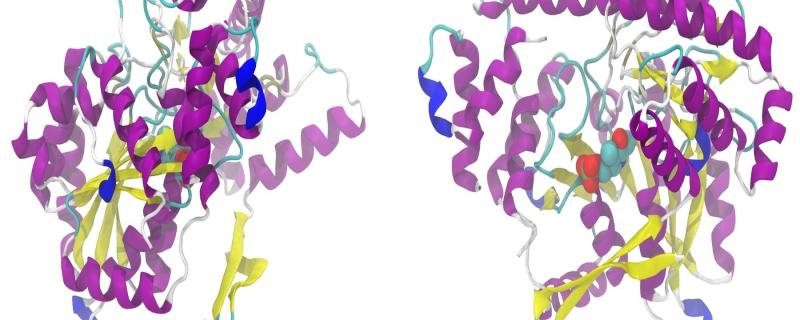
In a recent study, researchers at the Indian Institute of Science Education and Research (IISER) Mohali, have studied the mechanism behind the phase separation of the tau protein fragment that forms characteristic aggregates associated with Alzheimer's disease.

Mumbai

Prof Subimal Ghosh, Professor at the Department of Civil Engineering, Indian Institute of Technology Bombay (IIT Bombay), has been awarded the Shanti Swarup Bhatnagar Prize 2019 by the Council of Scientific and Industrial Research (CSIR). This award recognises his significant contributions to our understanding of how land surface processes influence the Indian monsoon, as well as for improving regional monsoon simulations and predictions. 

Search Research Matters