New research from India reveals that, contrary to long-held scientific beliefs, feeding on trees and shrubs does not provide Asian elephants with more protein than grazing on grass.

genome sequence

Thiruvananthapuram

Researchers have successfully manipulated the internal structure of a bacterial membrane protein to switch its sensing capabilities between small and large molecules, paving the way for advanced diagnostic tools.

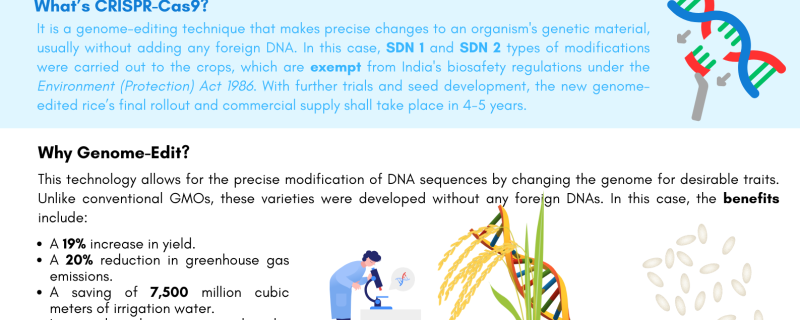
ICAR has developed two new genome-edited rice varieties – DRR Rice 100 (Kamla) and Pusa DST Rice 1 using genome-editing technology based on CRISPR-Cas9, which makes precise changes in the organism's genetic material without adding foreign DNA.

GenomeIndia is an ambitious national initiative launched in January 2020, funded by India's Department of Biotechnology. The project aims to sequence 10,000 genomes from healthy individuals across the country. GenomeIndia's main objective is to compile a comprehensive catalogue of the genetic variations unique to India's diverse population. This initiative goes beyond merely decoding genes; it seeks to create a detailed reference of the genetic makeup to enhance our understanding of this diversity.

Bengaluru

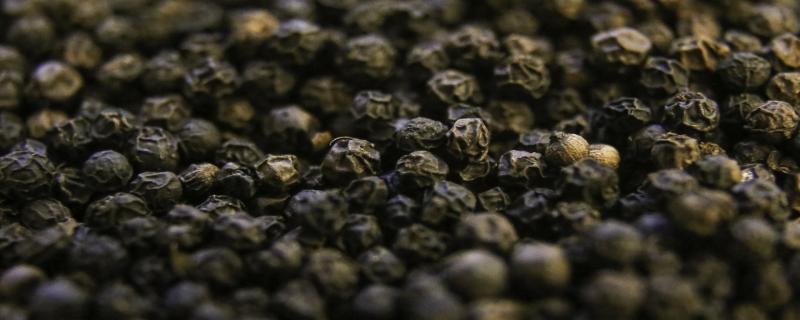
Researchers identify molecular markers that can help in developing better varieties of black pepper. 

Search Research Matters