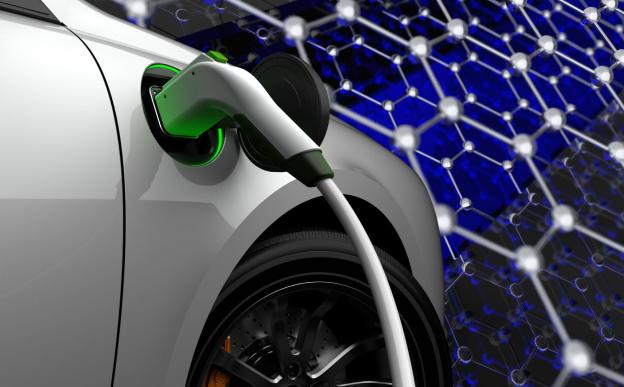
Research reveals that graphene-enhanced batteries can slash electric vehicle charging times by up to 27% while cutting battery weight by more than half, potentially solving the biggest hurdles to green transportation.

Deep-dive

Bengaluru

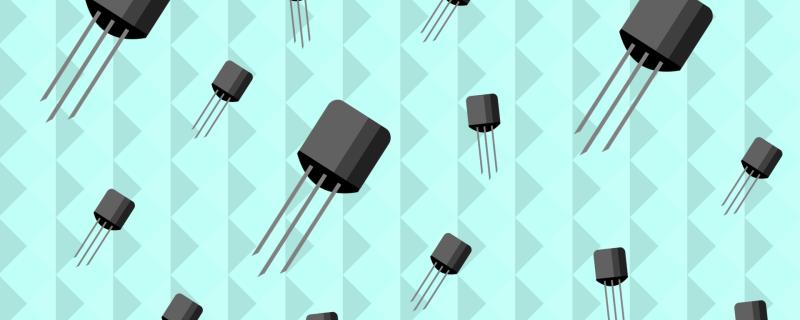
All the electronic devices that we use today have components made of semiconductors, mostly silicon. In recent years, gallium nitride, another semiconductor, is making its way into electronics. It is better suited for high power and high-frequency applications. Researchers from IISc have developed India’s first-ever e-mode gallium nitride power transistor, whose performance is comparable to some of the best reports till date.
Coimbatore

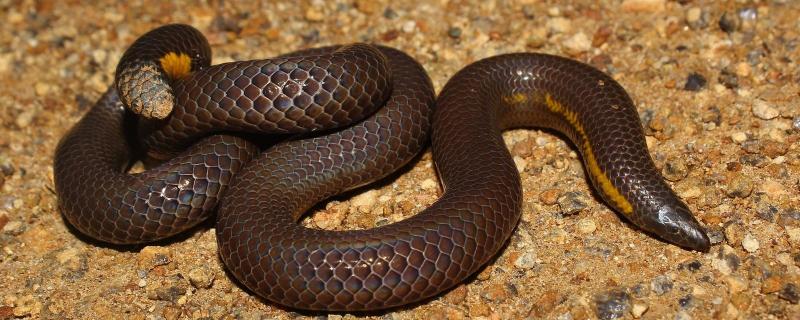
Researchers from the Sálim Ali Centre for Ornithology and Natural History (SACON), Coimbatore, and the Natural History Museum (NHM), London, UK, discover a new species of shieldtail snake, Uropeltis Bhupathyi, from the Anaikatty Hills in Coimbatore, Tamil Nadu.

Hyderabad

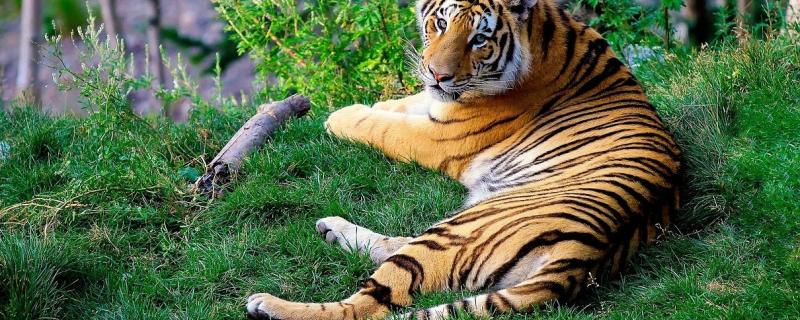
Two Russian institutes—A.N.Severtsov Institute of Ecology and Evolution and Moscow State Agricultural University, and the Centre for Cellular and Molecular Biology, India, have compared the chemical contents of the faecal matter of the Amur and Bengal tigers to examine the stress levels of these tigers in India and Russia.

Kanpur

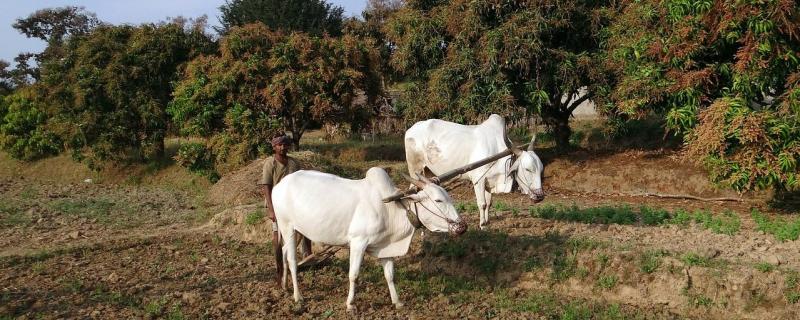
Researchers at the Indian Institute of Technology, Kanpur, have developed a biomolecule-based fertiliser that can help address the drawbacks of chemical fertilisers. 

New Delhi

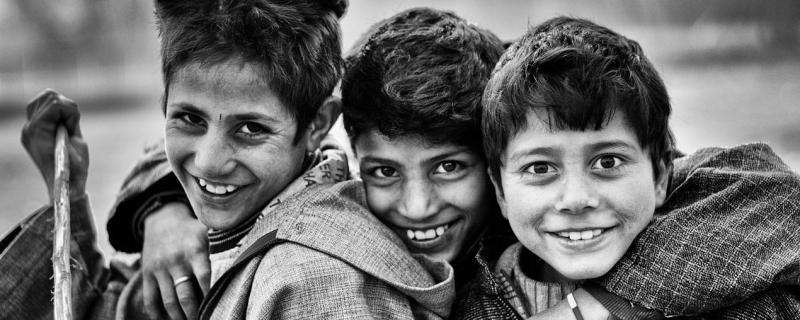
A multi-national team of scientists spanning Asia, Europe, South America and Australasia, including researchers from the Indian Institute of Technology Delhi, have surveyed nearly 17,000 people across 39 countries to understand why interpersonal relationships differ between societies.

Bengaluru

Melting glaciers, rising sea levels and the threat to biodiversity are some of the conspicuous impacts of global warming. However, the repercussions of this warming are multifaceted and complex than what we understand today.

Bengaluru

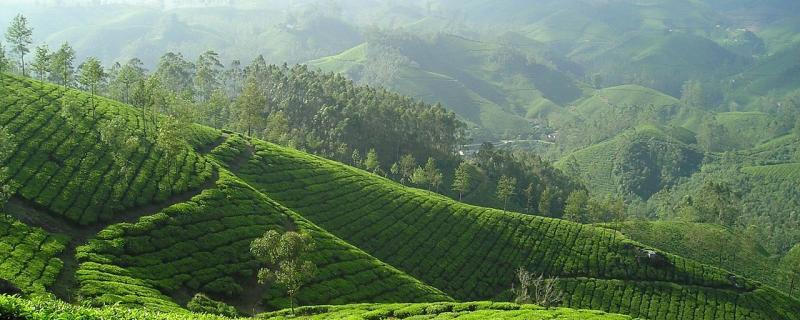
Researchers from IISER, Tirupati, ATREE, Bengaluru, Hume Centre for Ecology and Wildlife Biology, Kerala and The Gandhigram Rural Institute, Tamil Nadu, studied the factors responsible for the deleterious effects on the Shola grasslands of the Western Ghats.

Ladakh

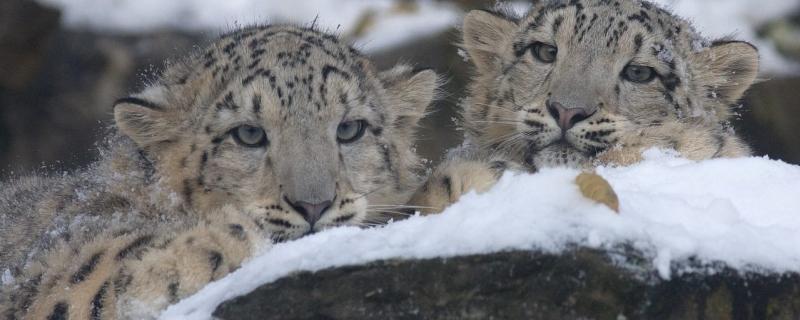
SLC-IT, along with researchers from Panthera, New York, USA, have attempted to model the conditions for a suitable habitat for snow leopards in Ladakh. Known as the ‘snow leopard capital of the world’, Ladakh is thought to harbour 60% of the snow leopard population in India. In this first-of-its-kind study, they have used data from direct observations and camera traps.

Bengaluru

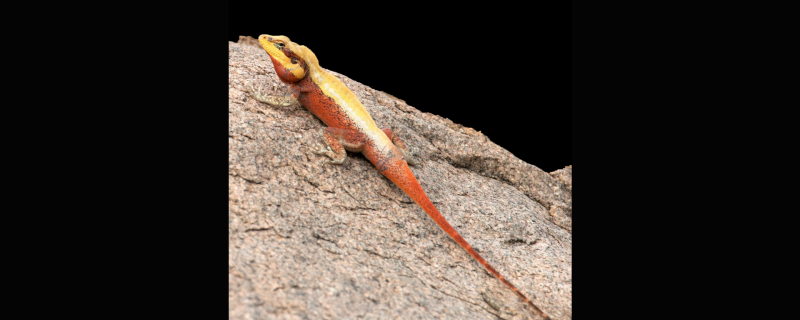
Researchers from IISc studied whether urban environments adversely affect the health and fitness of urban lizards.

Bengaluru

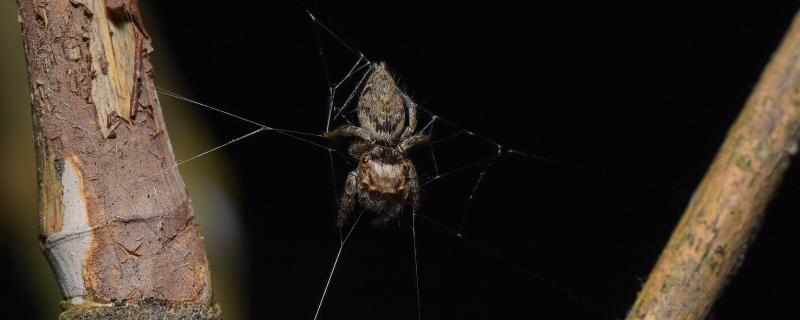
Jumping spider Anarrhotus sp. found to build an orb-web as a nocturnal retreat, unusual for a spider from the Salticidae family. 

Search Research Matters