Research reveals that graphene-enhanced batteries can slash electric vehicle charging times by up to 27% while cutting battery weight by more than half, potentially solving the biggest hurdles to green transportation.

Deep-dive

Bengaluru

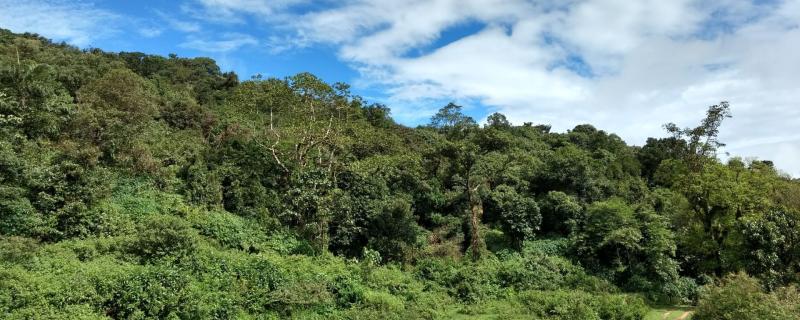
In a recent article published in the `Science’ magazine, titled ‘When the cure kills—CBD limits biodiversity research’, researchers have questioned the Convention on Biological Diversity (CBD), a framework formulated to conserve biodiversity. 

Bengaluru

Researchers from the Indian Institute of Science, Bengaluru, find the mechanism which enhances inflammation and highlights its important applications.

Mumbai

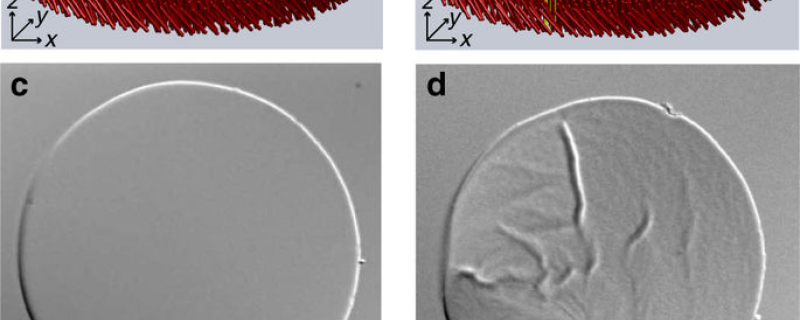
Researchers from the Indian Institute of Science (IISc), Indian Institute of Technology Bombay (IITB) and the Raman Research Institute (RRI) have investigate how materials undergo such deformations, and how they can be controlled to manufacture materials with the desired properties.

Mumbai

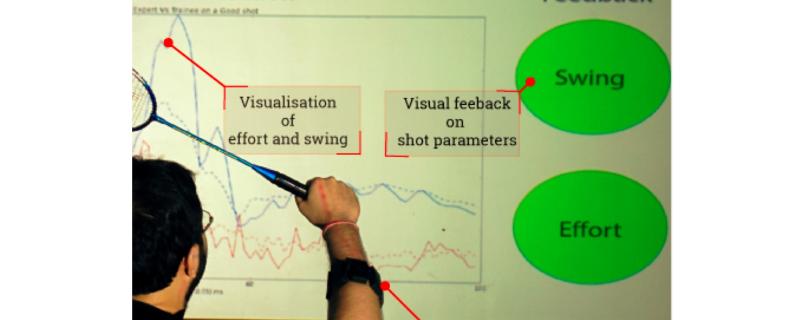
IIT Bombay researchers design a badminton training system using wearable technology.

Mumbai

Researchers from the Indian Institute of Technology, Bombay, show that pomegranates are more than just a tasty treat. Their new method is a cost-effective, zero-waste method of extracting oil from pomegranate seeds, which also yields high-quality protein and dietary fibres.

Bengaluru

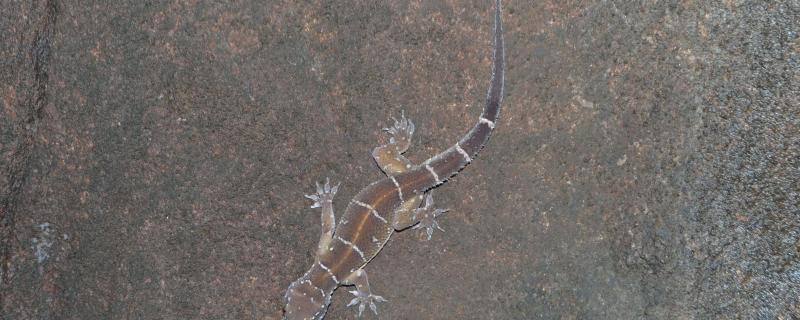
Researchers from National Centre for Biological Sciences (NCBS), Bengaluru, Fergusson College, Pune and Veer Narmad South Gujarat University, Gujarat unravel the taxonomy of Hemidactylus triedrus, commonly known as the termite hill gecko.

Bengaluru

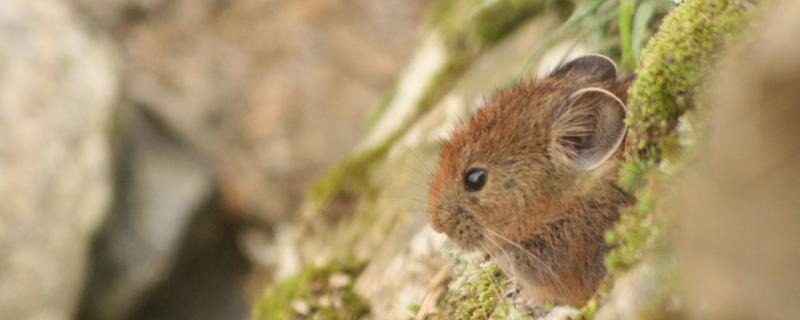
Scientists from the Indian Institute of Science, Bangalore, study how climate change is affecting small herbivores in the Himalayas. 

Bengaluru

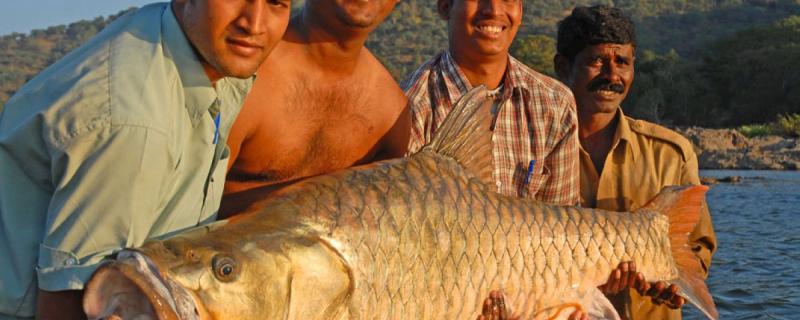
In a recently published study, the researchers have taken the first step of scientifically naming the fish as Tor remadevii, with a hope of reviving its numbers.  

Mumbai

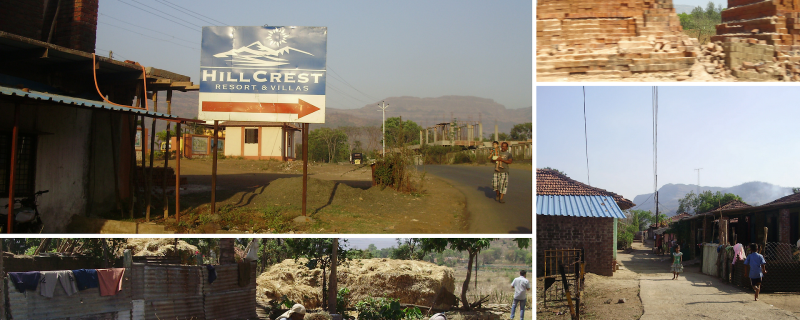
Urban-rural transition zones are a breeding ground for unexpected changes in resources and livelihood, shows study from IIT Bombay

Bengaluru

Researchers from the Indian Institute of Science, Bangalore, find how geckos from India could have spread into and adapted to the Sri Lankan environment.

Search Research Matters