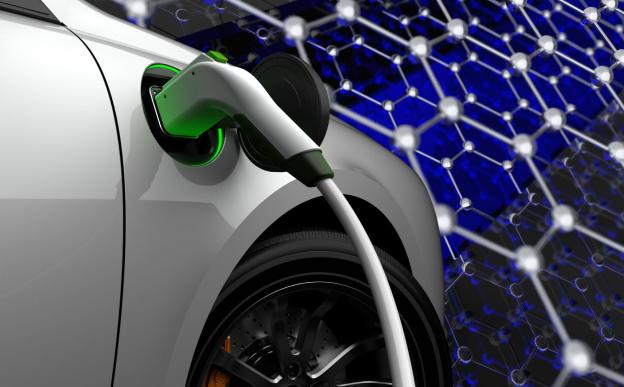
Research reveals that graphene-enhanced batteries can slash electric vehicle charging times by up to 27% while cutting battery weight by more than half, potentially solving the biggest hurdles to green transportation.

Deep-dive

Chennai

Researchers from Anna University, Chennai use a microwave-based remote sensing technique to assess changes in Kolkata’s land subsidence for the years 2003, 2007 and 2011. Their resuls indicate that the city might in fact be slowly sinking.
Bengaluru

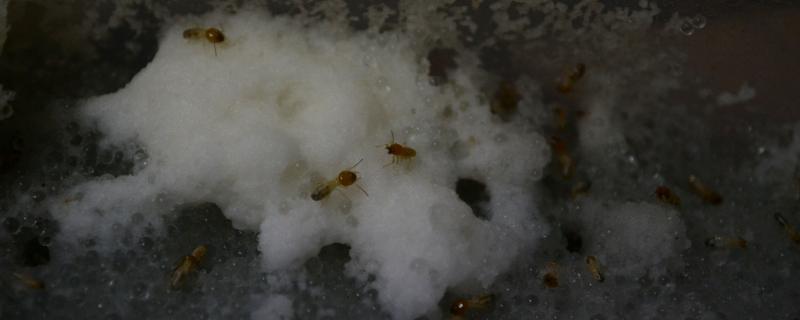
Termites are known to be efficient farmers who farm a kind of fungus in their colonies to digest the wood that they feed. Scientists from the Indian institute of Science, Bangalore and École Nationale Supérieure de Chimie de Montpellier, Montpellier, France, explore whether the termites prefer a certain species of fungus and if they can identify weed fungi and remove them.

Gujrat

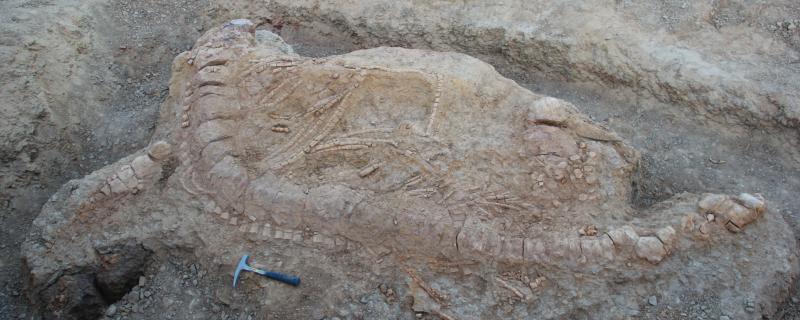
For the first time ever scientists discover the skeleton of the ancient marine reptile, Ichthyosaur, in the Kachchh basin of Gujarat. 

Mohali

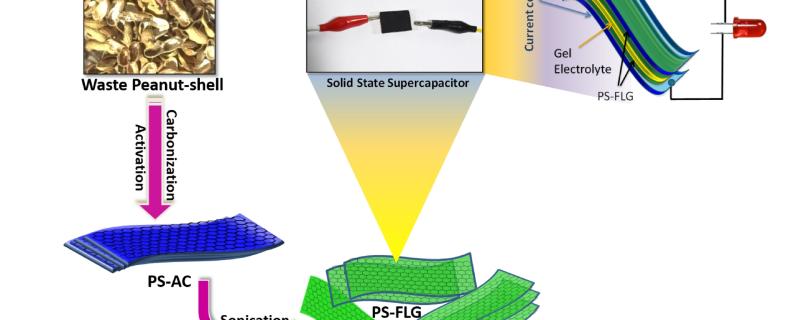
Graphene is called the ‘wonder material’ due to its electrical and mechanical properties and is now evolving as an alternative to conventional energy storage devices like batteries and supercapacitors. Researchers from Institute of Nano Science and Technology (INST), Mohali, use peanut shells to manufacture high-quality graphene nanosheets.

Bengaluru

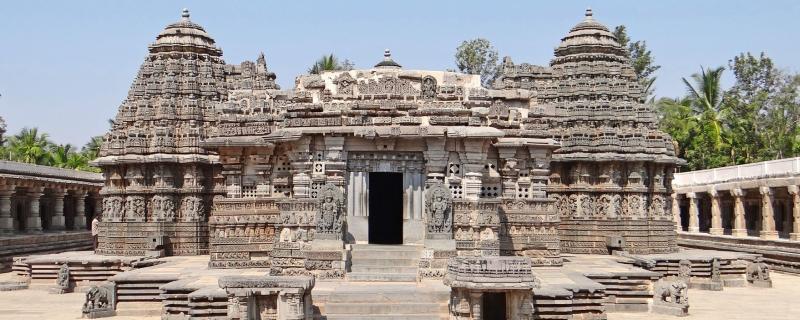
Humans have always been fascinated by symmetry. Many celebrated works of art are appreciated for their symmetry, such as the Vitruvian Man by Leonardo Da Vinci, or Somnathpur temple above. Given the importance of symmetry in our lives, does the brain have a special way of processing symmetric objects?

Bengaluru

Researchers from the Institute of Public Health (IPH), Bangalore, with the support of the Alliance for Health Policy and Systems Research of the World Health Organization, have assessed the quality of generic medicine and their branded equivalents in South India. Their results show that the quality of generic medicines from multiple sources was similar to that of the branded medicines.

Chennai

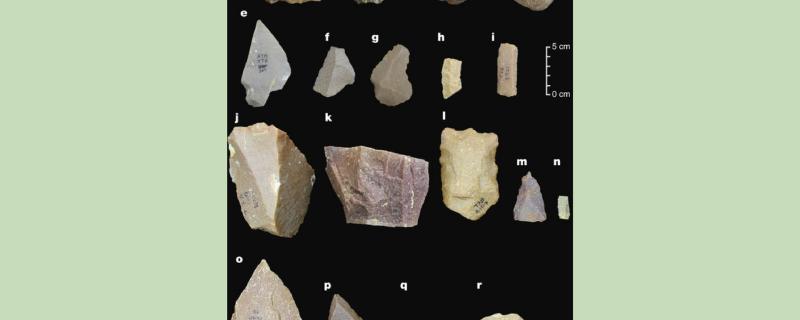
Researchers from the Sharma Centre for Heritage Education, India, find stone tools in the sediments of Attirampakkam, a small town near Chennai which are dated to be 3,85,000-year-old. This finding gives us a new understanding for how and when human migration out of Africa might have taken place.

New Delhi

Researchers from the Indian Institute of Technology, Delhi, turn to a tiny species of venomous spider called Lachesana tarabaevi in the search for compounds with anti-microbial properties. They show that peptides derived from the spider’s venom is effective against Staphylococcus aureus.

Mumbai

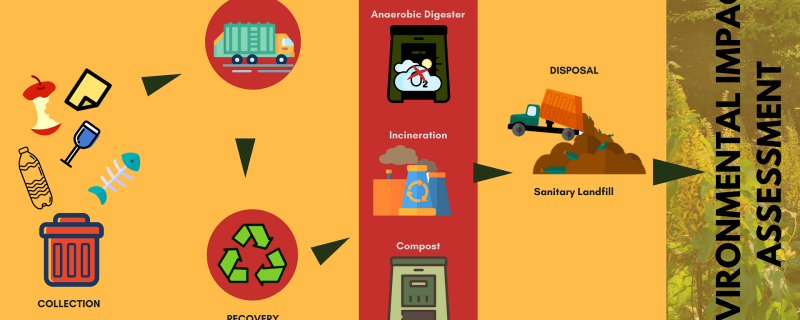
Researchers from the Indian Institute of Technology, Bombay, look into the various ways in which our solid waste management woes can be solved. In their efforts integrated waste management appears as a solution that can help reduce the pollution caused due to open dumping.

Bengaluru

Scientists from National Center for Biological Sciences, Wildlife Conservation Trust, FERAL and University of Montana, examine genetic diversity of tigers in India to identify the importance of connected forest corridors to future populations and minimize their risk of extinction in the coming century.

Search Research Matters