

वैज्ञानिकों ने एक जीवाणु उपभेद की पहचान की है जो बजाय चीनी के, सुगंधित प्रदूषकों को खाना पसंद करता है !
Archives

Across the ages, humans have tried to explain natural phenomena, like earthquakes, through stories and myths.

আই আই টি গুৱাহাটীৰ গৱেষক দল এটাই সাজি উলিওৱা এবিধ বায়’চেন্সৰ, যিয়ে গাখীৰত এলকালাইন ফছফাটেজৰ উপস্থিতি ধৰা পেলাব পাৰে, ছবিৰ উৎস

Researchers from the Indian Institute of Science, Bengaluru, have used a non-traditional method to measure extreme rainfall events. This approach is more accurate than what is currently used by meteorologists and researchers.

Study by Indian Institute of Technology Bombay, uses digital processing of archived satellite images to study the growth patterns in the Mumbai Metropolitan Region.
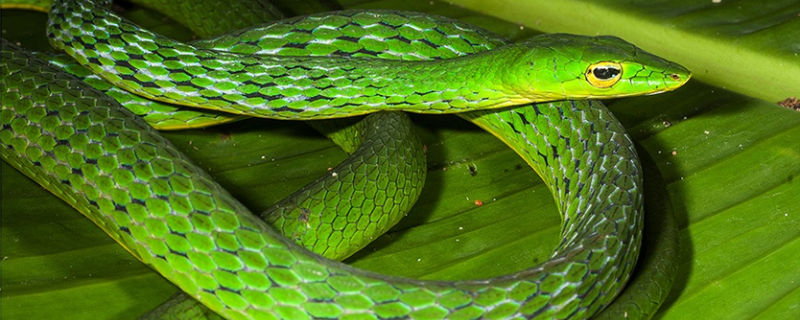
“சொல் அரும் சூல் பசும் பாம்பின் தோற்றம் போல்
மெல்லவே கரு இருந்து ஈன்று.....”
– 53 - நந்திகலம்பகம் - சீவகசிந்தாமணி
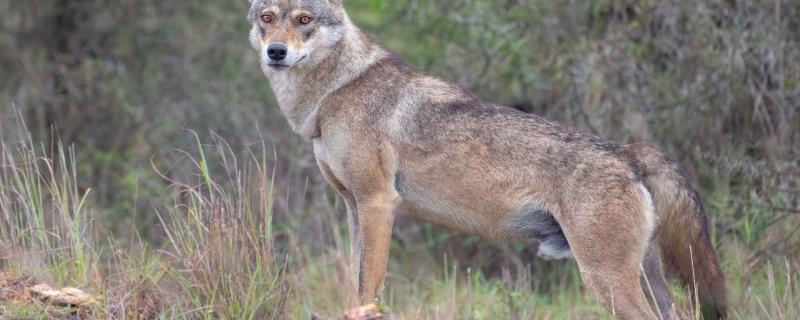
In a first effort, researchers at the Zoological Survey of India have mapped the habitat of the Indian Grey Wolves in eastern India, particularly in the Lower Gangetic Plains and Chotta Nagpur Plateau to identify suitable habitats and minimize human-wolf conflicts.

अधिकारी वर्ग आणि राजकीय हितसंबंध यांच्यामुळे वन अधिकार अधिनियमाच्या अंमलबजावणी मध्ये अडथळे येत आहेत असे अभ्यासात आढळून आले आहे.

Every year, since 2010, the 29th of July is celebrated as the International Tiger Day to raise awareness about tiger conservation. India is home to over half of the world's tigers. New tiger populations are still being discovered, with one as recent as last year, in the Eastern Himalayas at altitudes of 3,630 metres. In 2010, India reportedly had 1,706 tigers, and this number increased to 2,226 in 2014. Isn't a 30% increase in population in just four years remarkable?

शोधकर्ताओं ने तुलना की है कि कैसे ग्रीक और भारतीय गणितज्ञों ने एक गोले का तल -क्षेत्रफल मापा