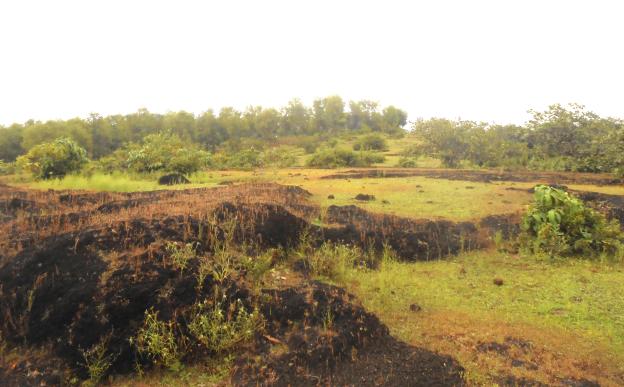
A new open-source satellite tool has revealed the critical ecological and economic importance of India’s Open Natural Ecosystems, challenging the colonial-era classification of these biodiversity hotspots as unproductive wastelands.

Science

Bengaluru

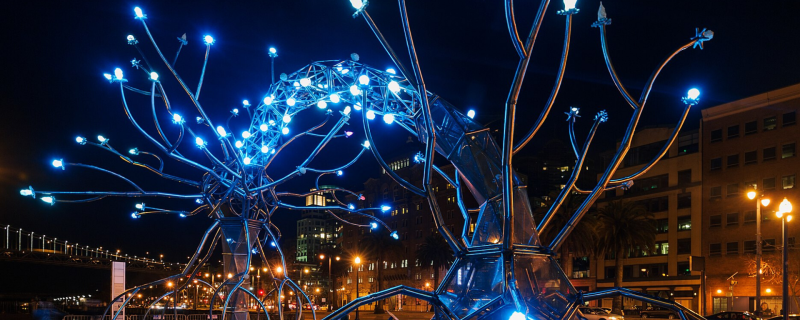
A computer based model of neurons in the urinary bladder
Bengaluru

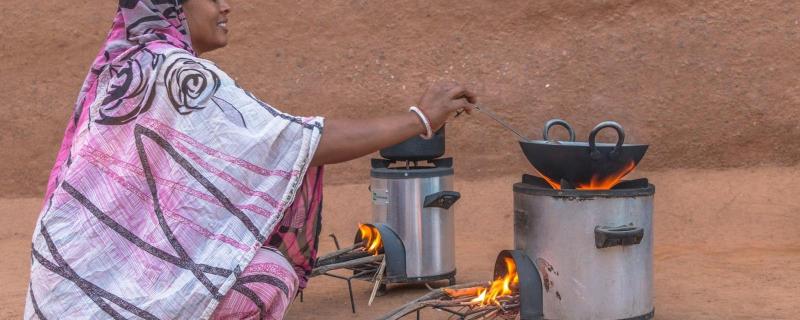
A woman cooking food using improved cookstoves [Image credits: Udaipur Urja Initiatives]

Mumbai

Snapshot of simulation showing two black holes colliding with each other. [Image Credits: Wikimedia Commons]

Astronomers detect gravitational waves from the merging of neutron stars and black holes, but no electromagnetic waves.

Mumbai

In a recent study, a team of international researchers have analysed how defects in hexagonal boron nitride can help in boosting the performance of electronic devices.

Bengaluru

Researchers from the Indian Institute of Technology Bombay (IIT Bombay) seem to have a technological solution to this problem. Led by Prof Maryam Shojaei Baghini, researchers from IIT Bombay and Gauhati University, have designed a robust, accurate and affordable soil moisture sensor using graphene oxide.

Chandigarh

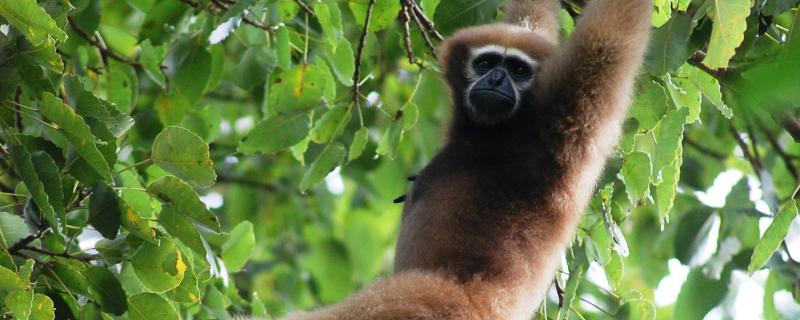
A Hoolock Gibbon from Meghalaya [Image Credits: Programme HURO / CC BY-SA (https://creativecommons.org/licenses/by-sa/3.0)]

The specimen, which is millions of years older than any previously known fossil, highlights their migration from Africa to Asia.

Bengaluru

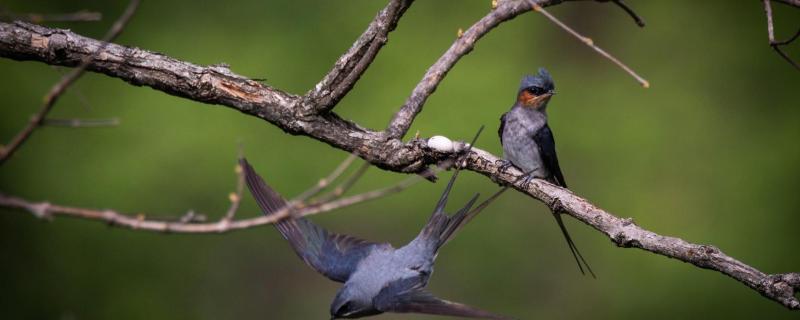
A pair of Crested treeswift with its egg [Image credits: Aditya Pal / CC BY-SA 4.0]

Mathematical models show that males should be selected to care more for their offspring rather than desert them.

Bengaluru

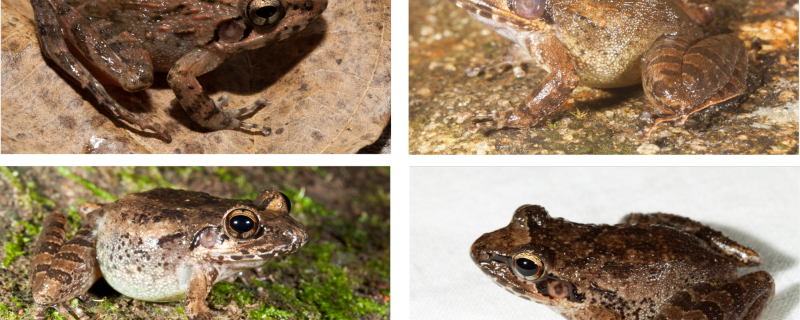
Some cryptic species of frogs in the Western Ghats (Left Top: Indirana semipalamata (Image credits: Saunak Pal), Left-Bottom: Indirana beddomii (Image Credits: Saunak Pal), Right-Top:

Bengaluru

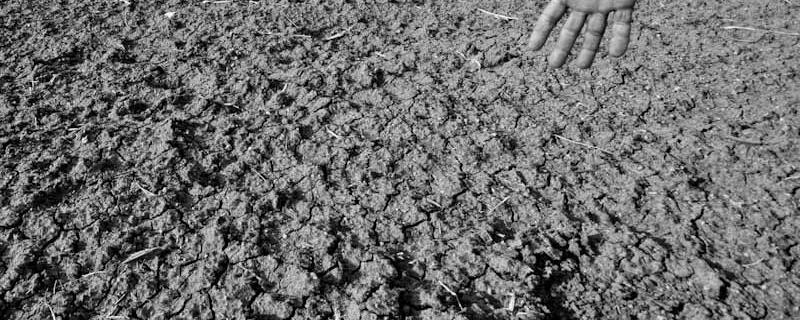
Drought-stricken farmland in Karnataka [Image Credits: Pushkarv / CC BY-SA 3.0)

With climate change occurring at an alarming speed, study finds that temperatures across many parts of the globe, including South Asia, could reach the breaking point by 2050.

Bengaluru

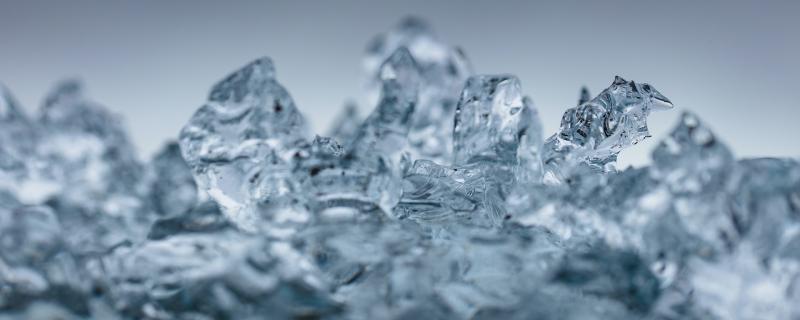
In a new study, researchers devise a unique way to observe the process of devitrification under a microscope, in real-time. 

Search Research Matters