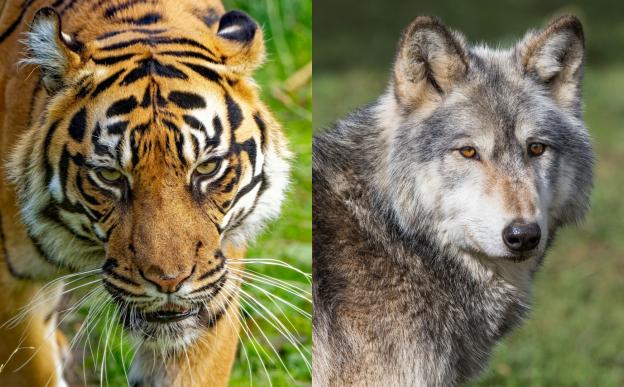
New research reveals that cultural tolerance and political pressure, rather than just biological science, dictate the life or death of tigers in India and wolves in Germany.

Science

Bengaluru

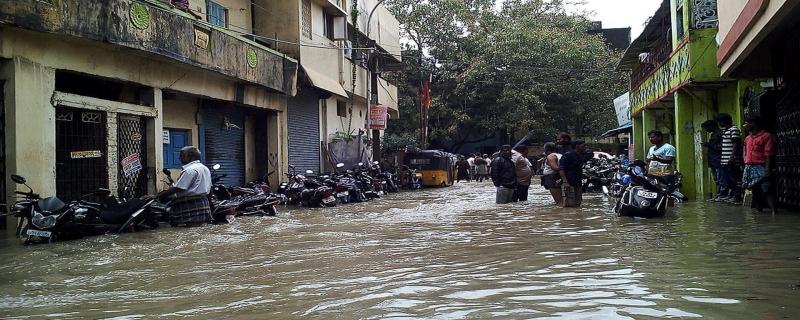
 During the fag end of 2015, Chennai experienced severe floods resulting in the death of about 500 people and economic losses of about INR 50,000 crores. The flooding stranded the city and was termed a 'man-made disaster' resulting from irresponsible water management and rapid urbanisation. The northeast monsoon of the year left most parts of South India marooned, exposing how vulnerable our cities are to such catastrophes. That's when the Office of the Principal Scientific Advisor took a major initiative to develop a real-time, integrated, urban flood forecasting system that was non-existent in our country. Soon after, a team of scientists from various institutes across the country, swung into action to develop the first-ever expert system in India to forecast floods. In a recent study, published in the journal Current Science, the researchers shed light on the development of the automated flood forecasting expert system. 
Bengaluru

In February, when the news of the first few confirmed cases of coronavirus in India came to light, we as a nation warmed up to the ‘Wuhan virus’, now at our doorstep. The mainstream media rushed to report on emerging new cases and debated if our infrastructure could handle this epidemic. Social media was abuzz with guidelines and ‘pro-tips’ on what and what not to do, nevermind the accuracy.

Bengaluru

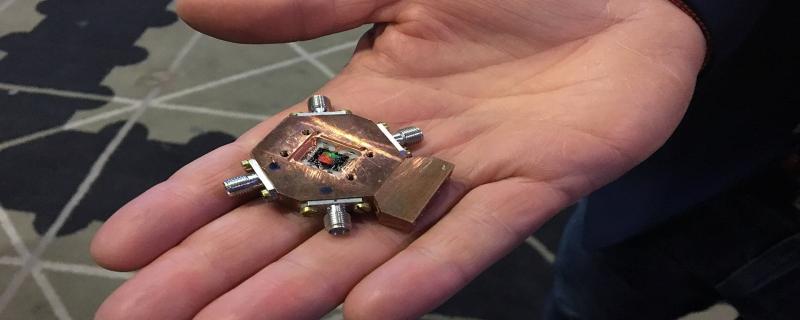
Nature is an enigma; an ensemble of complex structures and functions come together to form a variety of mesmerising artefacts, including life. Richard Feynman, the well-known American Nobel Laureate and physicist, famously said—"Nature isn't classical, dammit, and if you want to make a simulation of nature, you'd better make it quantum mechanical, and by golly it's a wonderful problem, because it doesn't look so easy".

Bengaluru

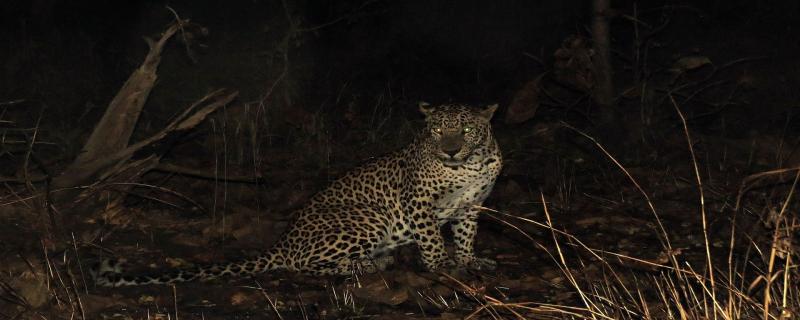
Researchers explore how the two predators coexist by preferring different habitats in Gir

Bengaluru

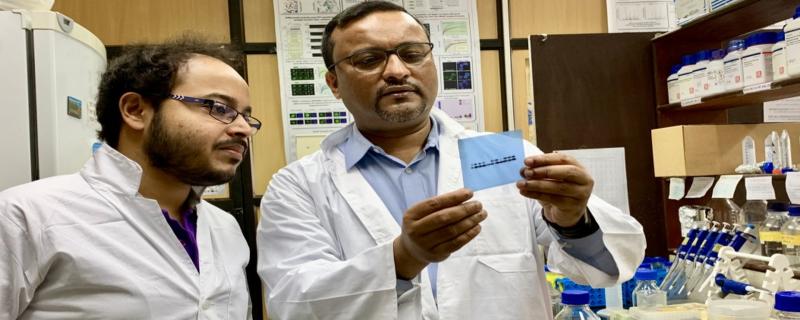
Voluntary movements, like lifting your hand to wave, are executed through precise coordination between different brain areas. Sometimes, due to the loss of neurons in the brain, some individuals cannot coordinate such voluntary movements and are said to be suffering from a condition called ataxia. A type of ataxia, known as the spinocerebellar ataxia, involves the loss of neurons from the spinal cord and cerebellum. These brain areas are responsible for controlling movement and balance.

Bengaluru

Infants require the highest level of nutrition for healthy growth and development. A four-month-old child, for example, uses 30% of its consumed food for growth. Adequate intake of minerals, like calcium and potassium, are known to be conducive to their wholesome diet. But, data from UNICEF shows that there is a high rate of undernutrition in children around the world.

Bengaluru

Study analyses what drives the choice of transport to shopping malls in Mumbai.

Bengaluru

Understanding patterns in nature has been of interest to researchers. Some of the popular questions have been around why birds flock together, how groups of bees build their honeycombs out of perfect hexagons, how ants navigate finding the shortest path back to the nest, and the likes. Researchers across the world are trying to decipher and explain how and why such specific patterns emerge.

Bengaluru

Today is National Science Day—a day to celebrate the spirit of science and scientific temper across the county. It is a day to commemorate Sir C V Raman’s discovery of the Raman effect. This year, the theme of National Science Day is ‘Women in Science’, celebrating the contributions of women scientists to the field of science in India.

Bengaluru

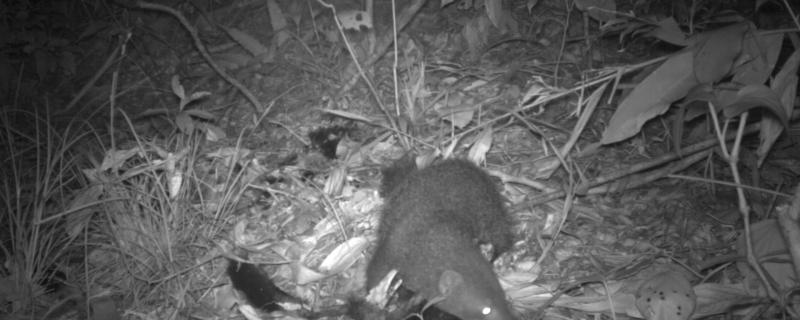
In a recent study, Mr Kamath, now a researcher at Gubbi Labs, Bengaluru, along with Dr Seshadri KS, a researcher at The Madras Crocodile Bank Trust and Centre for Herpetology, Tamil Nadu, has reported the feeding behaviour of Brown mongoose. Though accidental, the study adds knowledge about some previously unknown behavioural aspects of these elusive mongooses. It is published in the Journal of Threatened Taxa.

Search Research Matters