
A new review reveals that rising global temperatures, increased pollution, and extreme weather events are driving a global surge in eye diseases, disproportionately affecting vulnerable communities and challenging healthcare systems.
A new review reveals that rising global temperatures, increased pollution, and extreme weather events are driving a global surge in eye diseases, disproportionately affecting vulnerable communities and challenging healthcare systems.

Quantum dots made of Zinc Oxide were capped with polymers to change their optical properties, and they were then used to detect antibiotics.
IIT Bombay researchers have identified bacteria that can consume toxic pollutants in the soil and produce helpful nutrients as a byproduct.
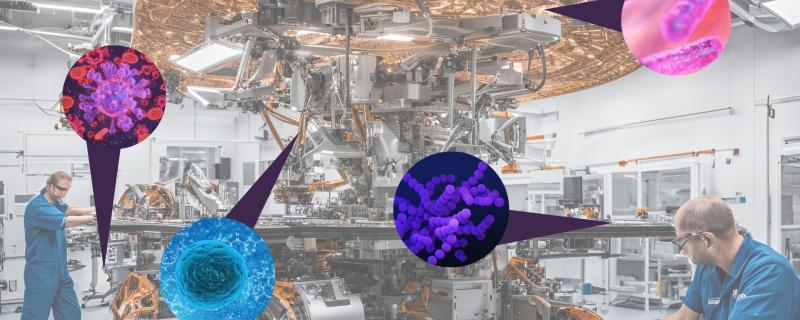
While going through the bacteria found from the Nasa's Mars 2020 Mission clean room, scientists discovered a novel species that could be helpful in fighting off harmful bacteria and viruses
A river meanders lazily through the plains but, in rocky terrain, might tumble rapidly down as a waterfall, sometimes in multiple cascades. Charles Darwin had earlier proposed that changes in the characteristics of organisms happen very slowly over time and generations, just like the river’s gentle flow.

Researchers have used modified sugars to hamper the development of cell wall in disease-causing bacteria

Researchers have identified proteins behind bacterial mutation, paving the way for a sustainable treatment to bacterial diseases.
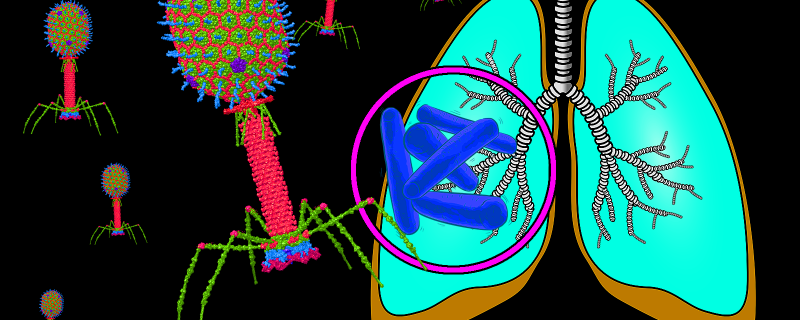
Researchers use a cocktail of bacteriophages to fight drug-resistant tuberculosis.
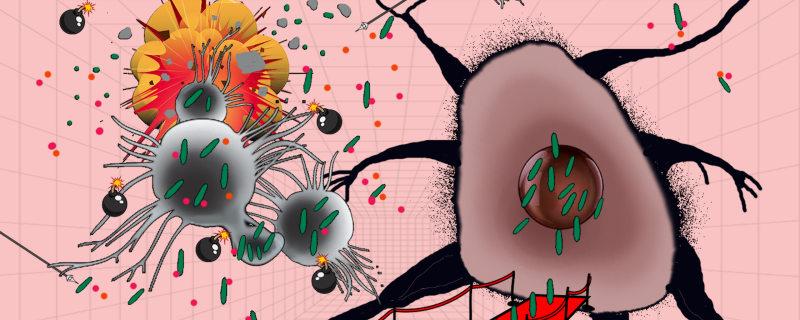
Human Mesenchymal Stem Cells found to favour the survival of tuberculosis bacteria, instead of fighting it, shows a recent study.
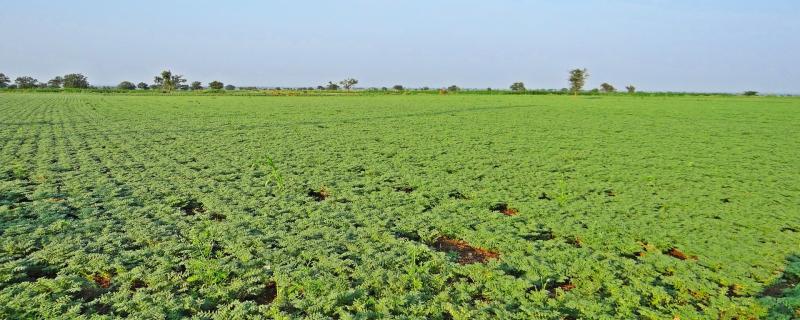
Did you know that a humble bacterium influences chickpea's yield? While chickpea is believed to have come to India from Turkey a few centuries ago, from where did it get its microbe partner? Did the original rhizobium strain from Turkey hitch a ride along with its host, or did it find other local strains here? In a recent study, an international collaboration of researchers, including those from India, may have answers.