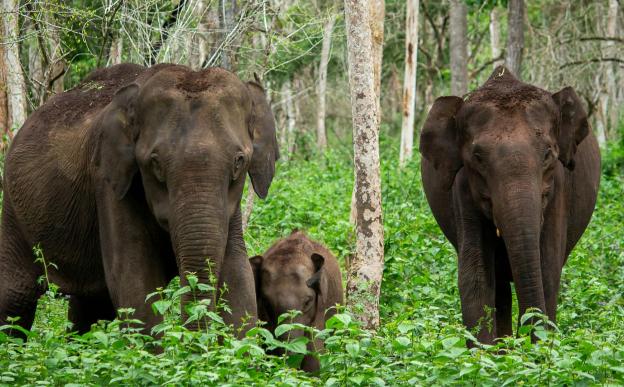
New research from India reveals that, contrary to long-held scientific beliefs, feeding on trees and shrubs does not provide Asian elephants with more protein than grazing on grass.

Ecology

Bengaluru

New study on India's four most medically important snakes—the spectacled cobra, Russell's viper, common krait, and saw-scaled viper—has revealed that a snake's age, or life stage, is the dominant factor determining the amount of venom it produces.
Madurai
Jaechanax kuranganiensis larva. Credit authors - https://doi.org/10.55446/IJE.2025.3421

Researchers have uncovered a previously unknown species of the unique aquatic insect known as the water-penny beetle, marking the first-ever record of its genus in Tamil Nadu. The discovery, made in the fast-flowing Kurangani stream of the Bodi hills, introduces Jaechanax kuranganiensis to the world.

Dehradun

Researchers used genetic tracking and spatial modelling to overcome the limitations of dung counts, providing a reliable census of Asia's threatened elephants.

Goa

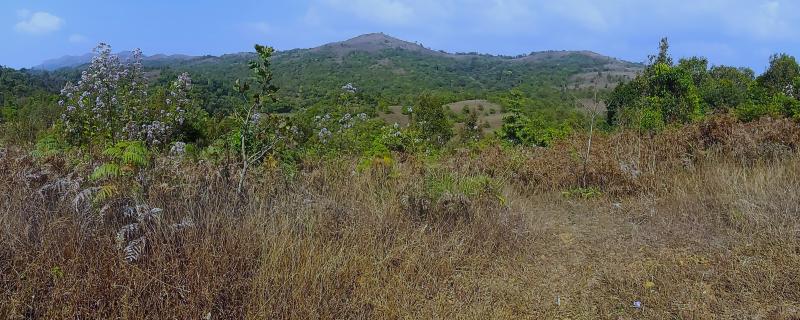
Synergistic pressures from land use changes and climate extremes are the primary drivers behind a worrying decline in the Western Ghats' ability to absorb carbon.

Yercaud

A new zoological discovery has been announced, with the description of a new genus and species of freshwater crab belonging to the family Gecarcinucidae.

Bengaluru

Frog and toad communities remain surprisingly stable across both urban and rural settings, suggesting increased resilience or a lag phase with effects yet to be observed. Loss of habitat and pollution, a worry.

Arunachal Pradesh

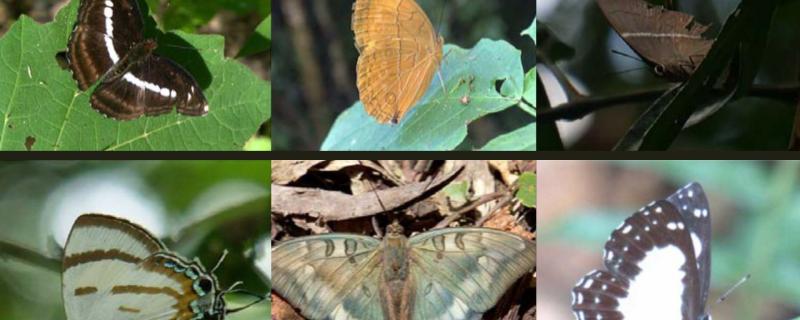
A new discovery has added six butterfly species previously unrecorded in India, with one, the Litin Onyx, known only from Laos, representing a massive range extension into the Eastern Himalayas.

Kharagpur

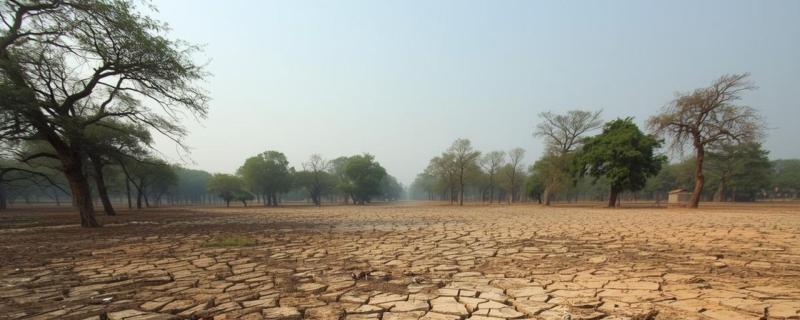
Ecological droughts are on the rise in India's pristine forests and croplands, driven primarily by meteorological aridity and ocean warming, posing a major threat to the country's sustainability and food security.

Bhopal

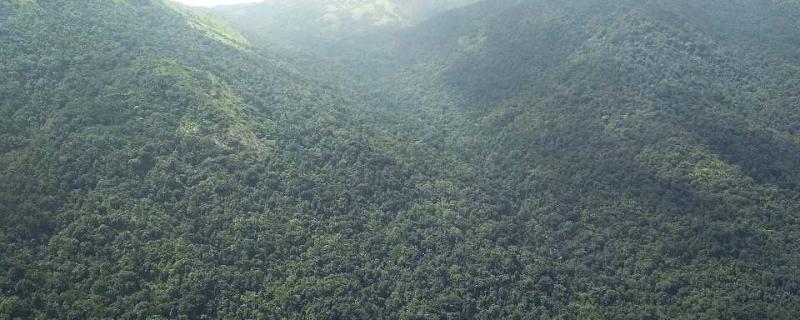
New research reveals India's forest monitoring fails to capture social and economic health, leading to a comprehensive new blueprint that include vital social and economic dimensions and introduces a comprehensive list of 28 indicators and 64 sub-indicators to create a robust, evidence-based system for monitoring and reporting.
.

Bikaner

A new study from arid Bikaner in Rajasthan has demonstrated a novel, farm-level strategy to tackle the interconnected crises of water scarcity, energy demand, and climate change. It demonstrates that simple changes to crop choice and soil management can dramatically improve the sustainability of farming systems. 

Search Research Matters