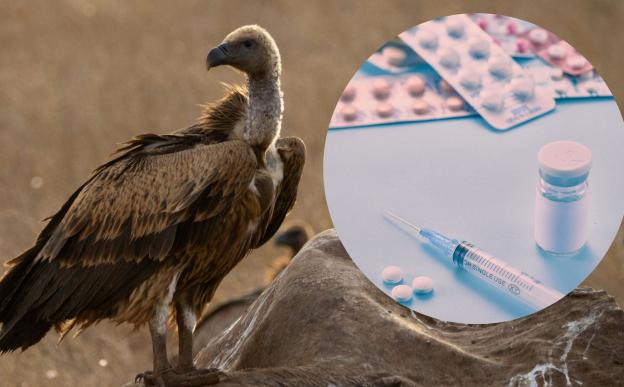
Despite successful bans on the veterinary drug diclofenac in Nepal and parts of India, a decade-long undercover investigation reveals that toxic alternatives like flunixin and nimesulide are rapidly replacing it, posing a renewed existential threat to the region’s critically endangered vulture populations.

Science

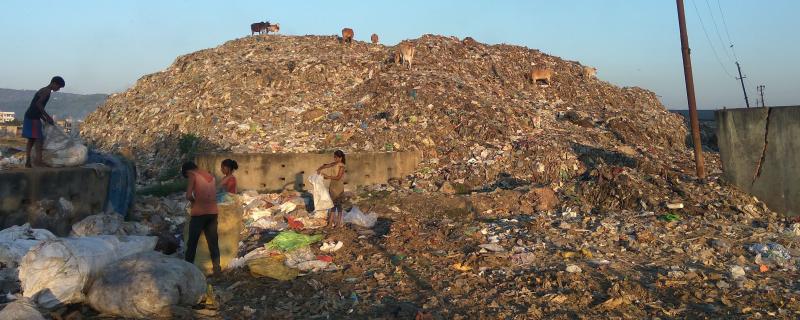
Scientists from Indian Institute of Technology- Dhanbad have been looking at the available technological options to turn waste to energy for an effective source of waste management and energy production.
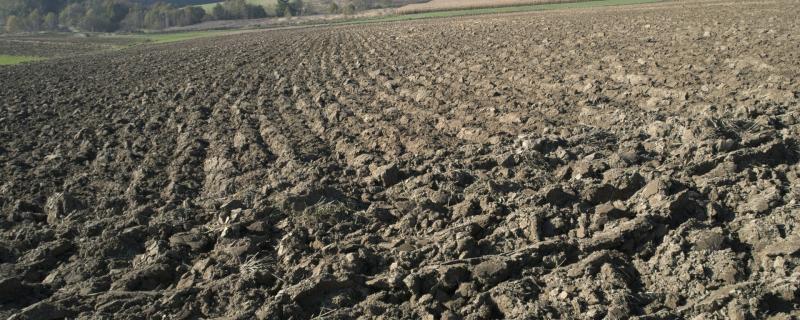
A collaborative study by scientists from the Jawaharlal Nehru University, Delhi University, Indian Agricultural Research Institute and National Research Centre for Plant Biotechnology shows how genetically modified soil micro-organisms can help restore nutrients in the soil to increase crop yield.

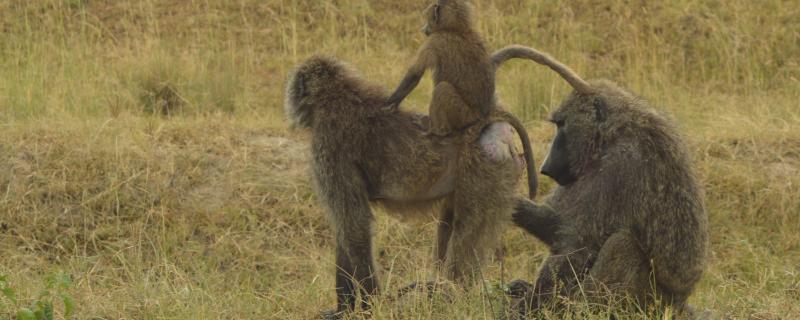
In the study of evolutionary biology, a lot of importance is given to trade offs in the survival of organisms. Questions like when should a predator hunt or when should it conserve energy, when should a prey remain solitary and when should it be social, are often always answered by weighing in the tradeoffs. Another important aspect of an organism’s life is passing on its genes and hence, many tradeoffs come into play when studying different mating systems seen in nature.

Scientists from Poornaprajna Institute of Scientific Research (PPISR), Indian Institute of Science and Albert Einstein College of Medicine, USA have studied the role metal ions play in assisting the crystallization of protein molecules.

Dharwad

Historically silk threads have been used for medical applications like sutures. In modern times silk mats are increasingly being recognized as a promising material for regenerative surgery. Researchers from Karnataka University, Dharwad explore the healing properties of silk mats made from wild species of silkworm Antheraea mylitta or tasar silkworm.

Researchers from Indian Institute of Science have proposed a mathematical approach to maximize the reach of our social media posts, while keeping the cost to a minimum. 

Bengaluru

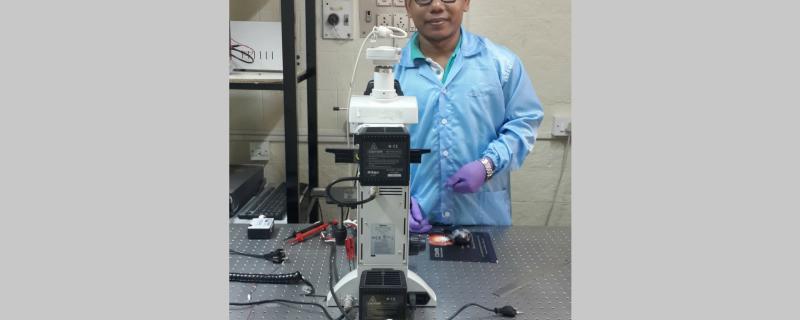
Scientists from the Indian institute of Science, Bangalore have used novel electrodes based on on integration of UV light sensitive zinc oxide nanorods and electrochemically active nickel cobalt oxide in supercapacitors. Their study shows the long life, the ability to charge in UV light and its application in self charging devices.

A team of scientists from John Hopkins Bloomberg School of Epidemics, Maryland, USA, Transitional Health Science and Technology, New Delhi, with support from National Center for Disease Control, New Delhi, Indian Public Health Association, World Health Organization, and Bill and Melinda Gates Foundation set up a Cholera Expert Group, to provide the necessary roadmap for control of the disease. The group has studied the endemicity and epidemicity of cholera and identified factors and hotspots of the disease in India.

Bengaluru

Fig trees are a magnificent keystone species that support a variety of life, both large and small. Scientists from the Indian Institute of Science study how these trees, with the help of their pollinators, are keeping Bengaluru’s green cover alive through genetic diversity.

Ever wondered how an ATM card stores information? Most of us are aware that the black strip at the back of the card plays an important role in this process. How it works though, isn't as common a knowledge.

The black strip found at the back of most smart cards is essentially a band of magnetic material. Different materials respond differently to a magnetic field. Iron for example, gets ‘magnetized’ in the presence of a magnet, whereas a piece of wood does not.

Search Research Matters