Technology

Bengaluru

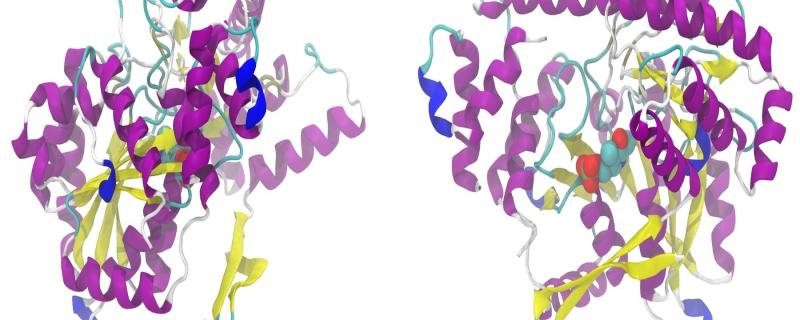
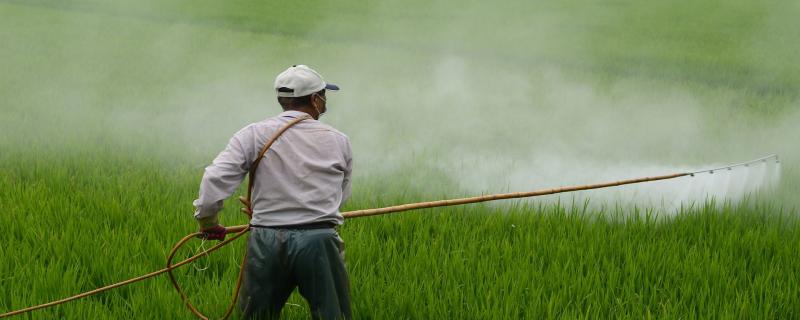
Carbaryl is one of the commonly used pesticides for agricultural as well as non-agricultural use. But like any other insecticide, higher concentrations of Carbaryl in the soil can have adverse effects on humans and other organisms. The need to completely remove it from the environment or break it down into less harmful substances is of primary importance. Researchers from the Indian Institute of Technology Bombay (IIT Bombay), and Institute of Genomics and Integrative Biology (CSIR-IGIB), Delhi, have achieved a significant breakthrough in identifying bacteria which can clean up this pesticide from the environment and understanding exactly how the breakdown occurs.

Bengaluru

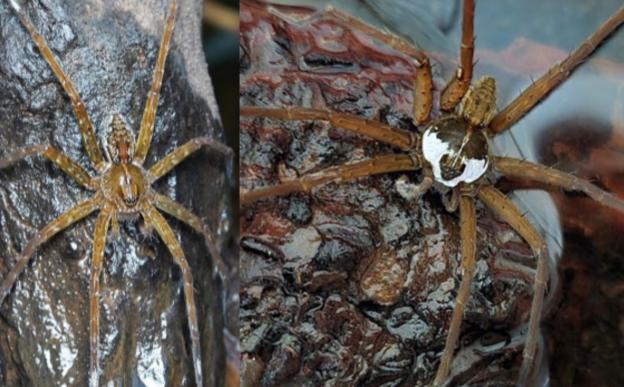
As COVID-19 pandemic marches on in India with over 800 positive cases and 19 deaths at the time of this article, there is an urgent need for deploying out-of-the-box innovations that can help curb this menace.


Bengaluru

In 2008, the Indian Space Research Organisation (ISRO) announced Aditya-1, India's first solar mission to study the Sun. This ambitious endeavour, with various indigenously-developed instruments onboard, holds much promise for our scientific community as they expect to unravel the mysteries of our closest star, the Sun. Now renamed as Aditya L1, the data from the instruments onboard are expected to be a treasure-trove of information on the dynamic processes on the Sun's surface and its atmosphere.


Bengaluru

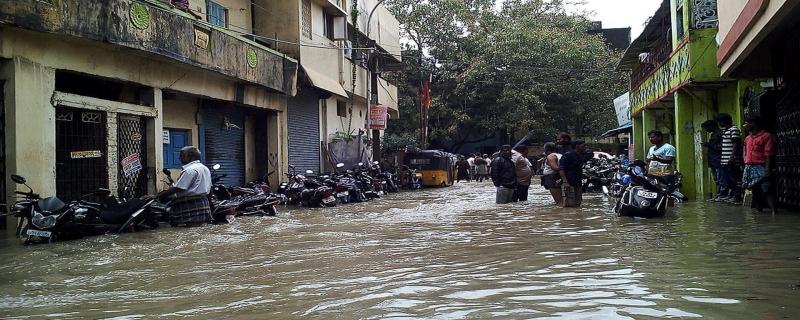
 During the fag end of 2015, Chennai experienced severe floods resulting in the death of about 500 people and economic losses of about INR 50,000 crores. The flooding stranded the city and was termed a 'man-made disaster' resulting from irresponsible water management and rapid urbanisation. The northeast monsoon of the year left most parts of South India marooned, exposing how vulnerable our cities are to such catastrophes. That's when the Office of the Principal Scientific Advisor took a major initiative to develop a real-time, integrated, urban flood forecasting system that was non-existent in our country. Soon after, a team of scientists from various institutes across the country, swung into action to develop the first-ever expert system in India to forecast floods. In a recent study, published in the journal Current Science, the researchers shed light on the development of the automated flood forecasting expert system. 

Bengaluru

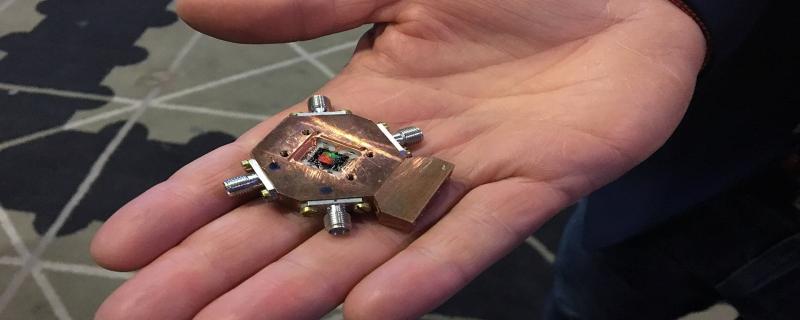
Nature is an enigma; an ensemble of complex structures and functions come together to form a variety of mesmerising artefacts, including life. Richard Feynman, the well-known American Nobel Laureate and physicist, famously said—"Nature isn't classical, dammit, and if you want to make a simulation of nature, you'd better make it quantum mechanical, and by golly it's a wonderful problem, because it doesn't look so easy".

Bengaluru

Today is National Science Day—a day to celebrate the spirit of science and scientific temper across the county. It is a day to commemorate Sir C V Raman’s discovery of the Raman effect. This year, the theme of National Science Day is ‘Women in Science’, celebrating the contributions of women scientists to the field of science in India.

Bengaluru

Starting in 2006, North Korea has made a series of nuclear tests in its hidden backyard. The country’s latest one was conducted in 2017 at Punggye-ri, some 3.6 kilometres northwest of its first nuclear test site. Despite its success, the test results provided loose estimates of the source parameters like the energy produced and the depth of the explosion. Since this was the most extensive test conducted by North Korea, it has evoked special attention among the scientific community in the last two years. While many studies have tried to reckon these parameters, the results were shrouded in uncertainty. Besides, the country’s political abnegation of seismometers called for an exigent need for a more accurate means of estimating the blast site’s characteristics. In a recent study, published in the Geophysical International Journal, a team of scientists from the Indian Space Research Organisation (ISRO) seems to have done just that.

Mumbai

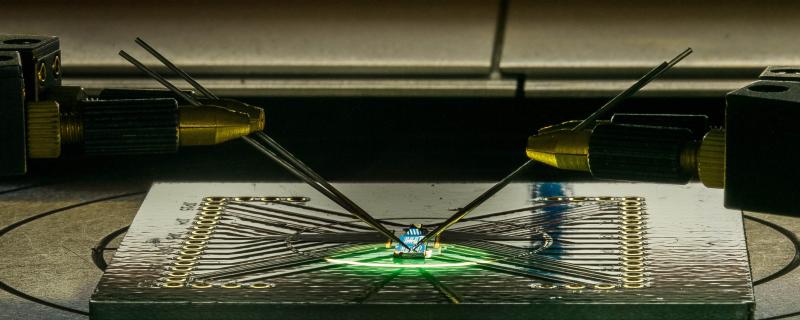
Researchers find a unique new technique to make stable, low-power graphene transistors

Mumbai

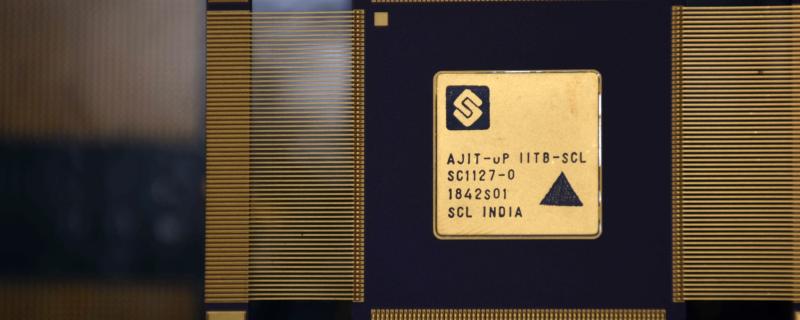
Researchers at IIT Bombay develop the country’s first indigenously designed and fabricated microprocessor. 

Bengaluru

In a recent study, researchers at the Indian Institute of Science Education and Research (IISER) Mohali, have studied the mechanism behind the phase separation of the tau protein fragment that forms characteristic aggregates associated with Alzheimer's disease.

Search Research Matters