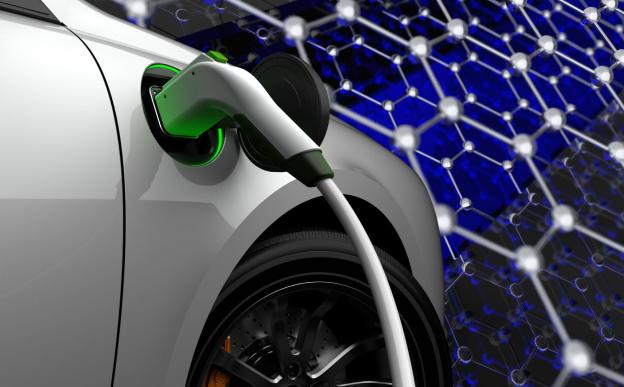
Research reveals that graphene-enhanced batteries can slash electric vehicle charging times by up to 27% while cutting battery weight by more than half, potentially solving the biggest hurdles to green transportation.

Deep-dive

New Delhi

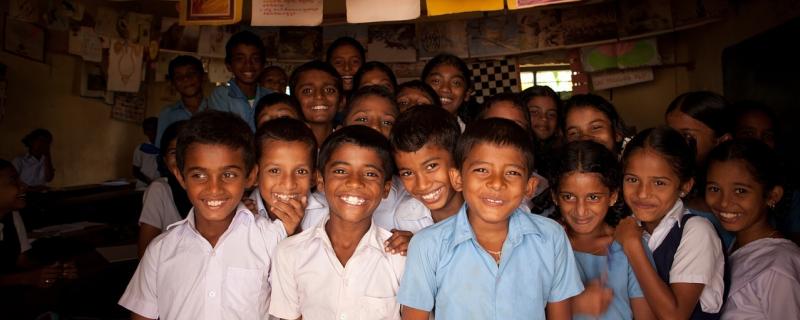
A nationwide collaborative study, by 53 institutes, has found that one out of eight children, between two and nine years, has at least one neurodevelopmental disorder.
Bengaluru

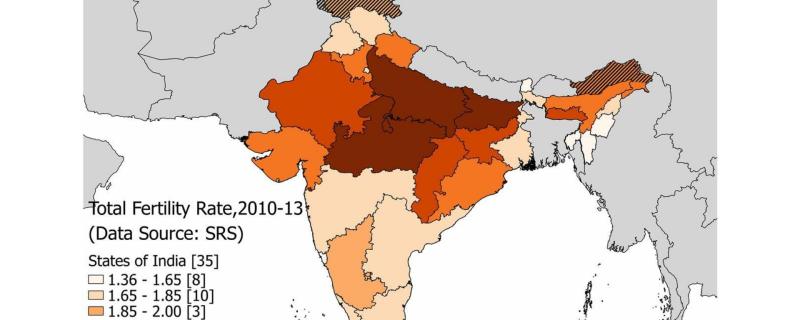
Researchers from the Shanghai University, China and the International Institute for Applied Systems Analysis, Austria, have developed a novel model that takes many characteristics of the population into account to make demographic projections for India. 

Vellore

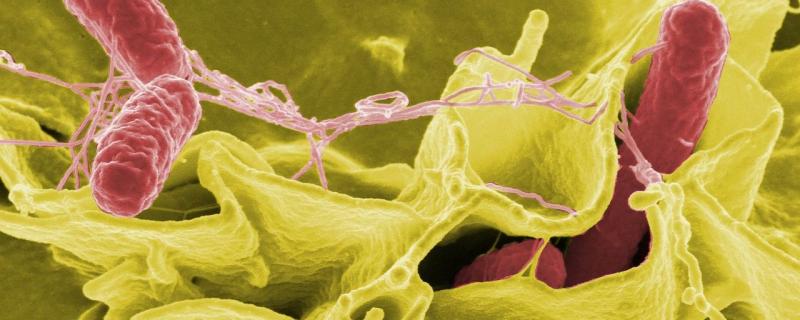
Researchers from CMC Vellore, AIIMS, TN Medical College & BYLN Hospital, and THSTI, throw some light on the recent trend of the diseases typhoid and paratyphoid fever.

Delhi

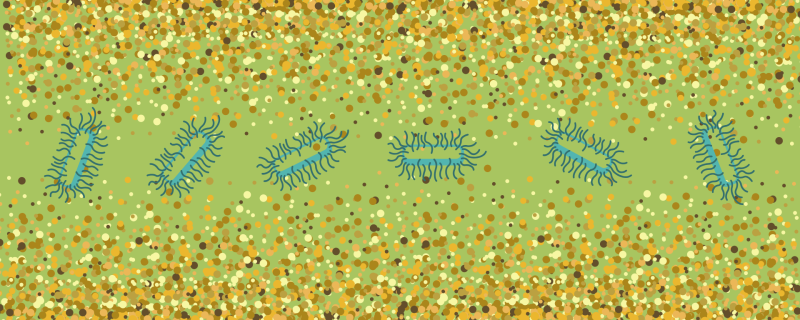
Scientists from IIT Delhi have developed a platform to detect bacterial growth using fluorescent carbon nanoparticles.


Mumbai

Researchers from IIT Bombay use simulations to predict future shoreline changes in Paradip Port of Odisha, India.

Bengaluru

Researchers from IISc, NCBS, ICTS, India, and Israel’s Weizmann Institute of Science, have successfully developed a model to explain the dynamics of collective systems that are motile at high density.

Kolkata

“When you're curious, you find lots of interesting things to do”, said Walt Disney. And, one such thing Dr Anindita Bhadra, now an Assistant Professor at the Indian Institute of Science Education and Research Kolkata (IISER Kolkata), did during her later PhD days was to curiously analyse huge amounts of observational data on small colonies of paper wasps (Ropalidia marginata).

Bengaluru

Researchers from the Indian Institute of Technology, Bombay, develop a highly effective solution for recovering green sand in small and medium foundries.

Bengaluru

Research from IISc finds a vital link between immune system disorders and psychological conditions like OCD

Bengaluru

Aerosols such as smoke or dust suspended in the lower layers of the atmosphere can either heat up the planet by trapping solar radiation, or cool it by reflecting sunlight back into space. Little is known, however, about how much aerosols that are present much higher up — above the clouds — contribute to this warming. 

Search Research Matters