General

Vellore

Researchers from Vellore Institute of Technology (VIT) University, Vellore in Tamil Nadu, have synthesized novel compound made of lead sulphide quantum dots coated with anti-oxidants or vitamins, which could aid in live imaging cells.

Delhi

Researchers from the Indian Institute of Technology, Delhi and the Fortis Memorial Research Institute, Gurgaon, have devised a new way to automatically differentiate between inner and outer breast tissue using Magnetic Resonance Imaging or MRI in breast cancer patients.

Mosquito bite! That’s all you need to express your killer instinct. But this allegedly innocent, tiny little arthropod with jointed legs, dressed in black and white stripes like an escaped prisoner, bites just for its ‘daily blood’. However, things aren’t quite limited to just blood sucking; this temporary parasitism is increasingly responsible for the transmission of a number of life-threatening diseases. Temporary parasites because mosquitoes suck blood from the host and then leave the crime scene, if alive.

Thiruvananthapuram

A colourful platter never fails to stimulate your appetite, right? The moment your eyes sense so many dishes laid out beautifully, the stomach starts to growl, and you want to grab a bite! But, you owe most of the food that you eat to insects that pollinate the grains, vegetables and fruits, thus ensuring there is food for all. Have you ever thought how these insects, which feed us, find their food? How do they decide which flower to forage? Do they also look for colours like us?

Delhi

Researchers from Czech Technical University in Prague, Czech Republic, Indian Institute of Technology, Delhi, India, and Northumbria University, UK are studying relay-assisted visible light communications to improve the indoor coverage of mobile network connectivity. Their new technique turns mobile phones into relays, forwarding data from the transmitter to the end user.

Kolkata

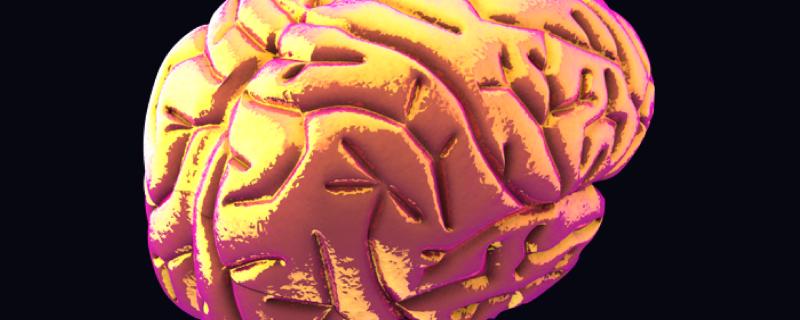
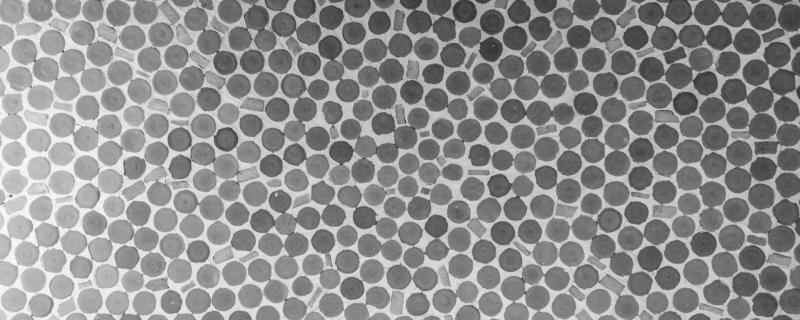
The brain is an extremely delicate organ that, like a glass artefact, needs many layers to protect it from injury. Besides the skull, the brain has three protective tissue layers called meninges. They form a protective covering around the entire central nervous system, including the brain and the spinal cord, and help to regulate different functions of the brain.

Delhi

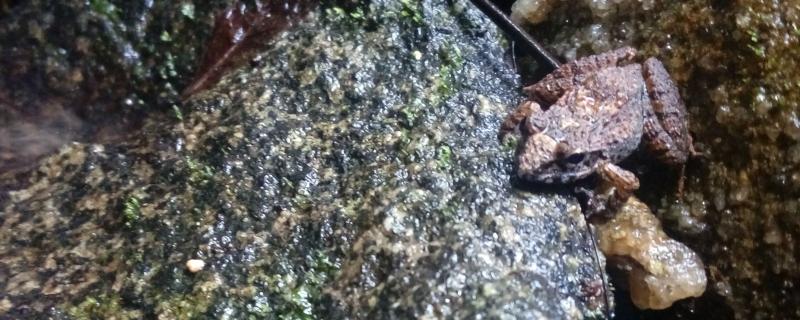
A new study by scientists from Technische Universität Braunschweig, Germany, University of Delhi, Delhi, India, Hiroshima University, Japan, Bangamata Sheikh Fazilatunnesa Mujib, Bangladesh, Sorbonne Universités, France, and North-West University, South Africa has modified the classification of Asian frogs of the genus Fejervarya and related genera from the family Dicroglossidae.

Mumbai

A team of researchers from University of Aberdeen, UK, Xi'an Jiaotong-Liverpool University, People’s Republic of China, and Indian Institute of Technology Bombay, Mumbai have looked at the effects of availability of a smartphone based real time passenger information system on a passenger’s willingness to use public transport. Their studies reveal that although there was an initial excitement for the app, there were insufficient users required to scale up.

Bengaluru

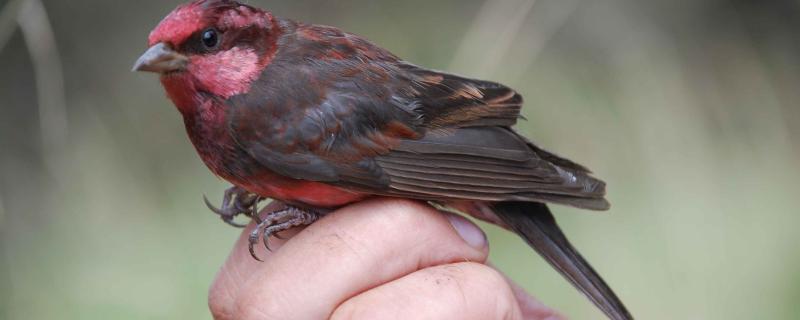
Higher altitudes have lower levels of oxygen, and hence animals living at such altitudes have to adapt. Having higher content of haemoglobin is one adaptation strategy used. In a recent study, scientists from the Indian Institute of Science, Bangalore, explore how blood parasite affect these high altitude birds.

Mumbai

Researchers from Indian Institute of Technology Bombay (IITB), Mumbai and Indian Institute of Technology Indore (IITI), Indore have developed a novel technique to measure the ice thickness of inaccessible and data scarce glaciers.

Search Research Matters