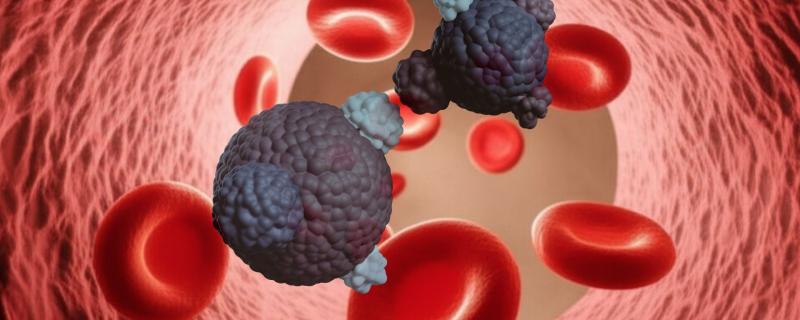
The study sheds light on a crucial protein, PfPPM2, which controls asexual division and switching between the sexual forms in Malaria-causing Plasmodium falciparum parasite, both of which are key to disease transmission.
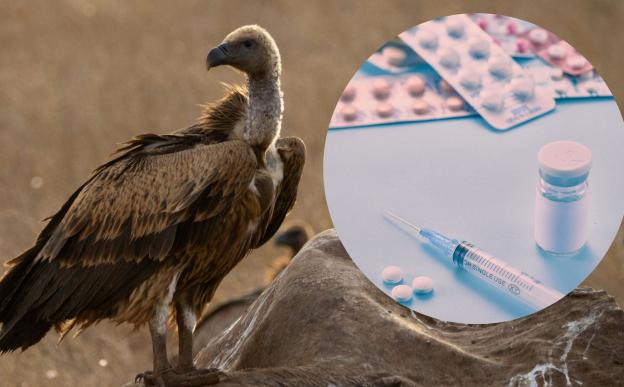
Despite successful bans on the veterinary drug diclofenac in Nepal and parts of India, a decade-long undercover investigation reveals that toxic alternatives like flunixin and nimesulide are rapidly replacing it, posing a renewed existential threat to the region’s critically endangered vulture populations.