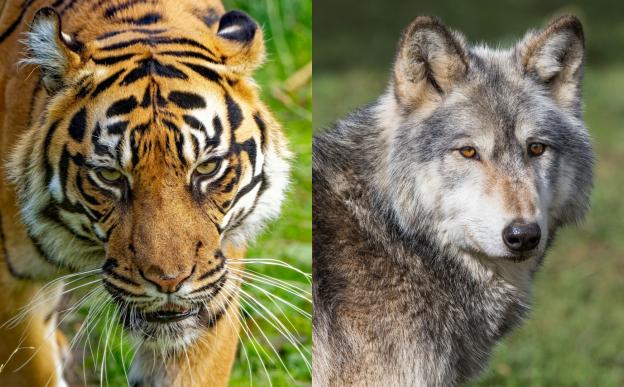
New research reveals that cultural tolerance and political pressure, rather than just biological science, dictate the life or death of tigers in India and wolves in Germany.

Archives

In the last one hundred and sixty years, in spite of hundreds of claims, some of them from first-class mathematicians, the Riemann Hypothesis, or the holy grail of mathematics, remains as elusive as ever.
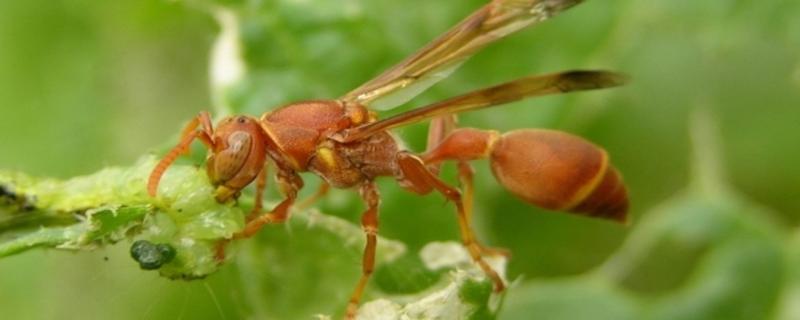
Study shows how paper wasps use the space in their nests to feed their larvae and fend off diseases.

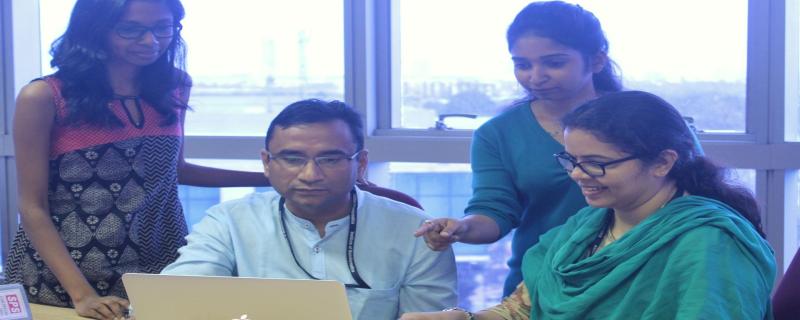
Study explores the factors behind missing women in India’s healthcare.

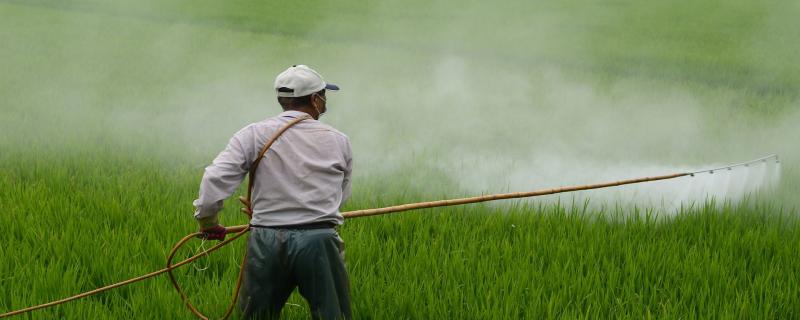
माती सुपीक करणारे स्यूडोमोनास जीवाणू, कीटकनाशक म्हणून वापरल्या जाणाऱ्या कार्बेरिलचे विघटन करण्यासही सक्षम असल्याचे संशोधनातून पुढे आले आहे

Among the various types of cancer, Urothelial Bladder Cancer (UBC) is responsible for around 2 lakh deaths per year around the world. This cancer affects the inner lining of the bladder and is the most common form of bladder cancer.

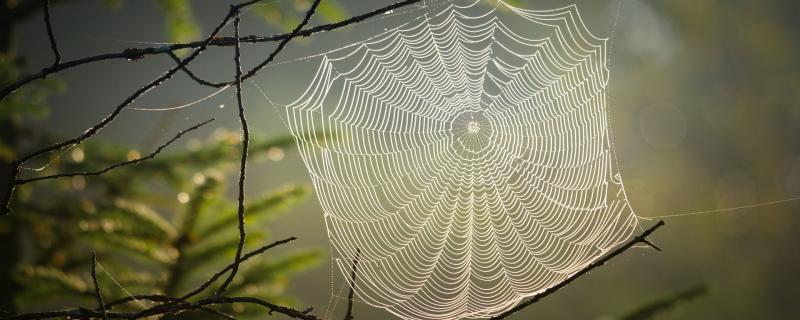
In a study, researchers at the Indian Institute of Technology, Rupnagar, have explored how prey is caught and retained by a healthy spider web when compared with a damaged one. The study, published in the journal Philosophical Transactions of the Royal Society A, was featured under the theme 'Bioinspired materials and surfaces for green science and technology'. The researchers studied the webs of St Andrew's Cross spider (Argiope aetherea), which builds orb-webs and belongs to the Araneidae family.

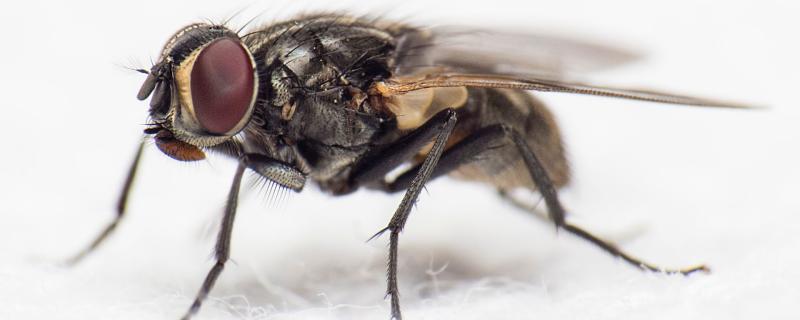
In a new study, researchers from the National Centre for Biological Sciences (NCBS), Bengaluru, and the Pennsylvania State University and Colorado State University in the USA, have studied how flies land on ceilings. The researchers have also explored how the fly’s brain integrates visual and balance-related inputs from the surroundings to generate appropriate movement in the wings and legs to achieve a perfect landing.

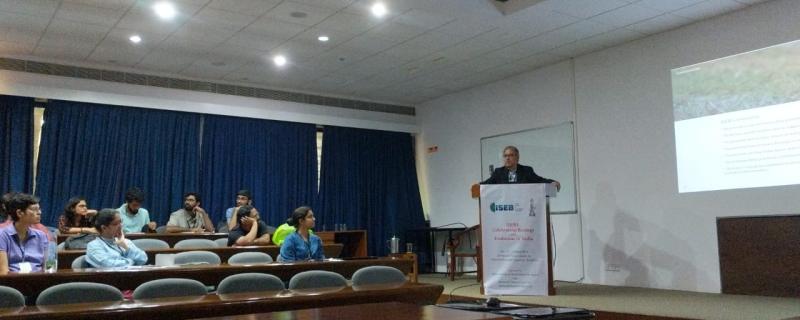
The Indian Society of Evolutionary Biologists (ISEB), an independent consortium of researchers and faculty working on evolutionary biology in India, is holding its first conference on the 24th and 25th of October, 2019, at the Jawaharlal Nehru Centre for Advanced Scientific Research (JNCASR), Bengaluru. The two-day meeting is themed around ‘Celebrating Ecology and Evolution in India’. It is bringing together eminent researchers and students across the country, who are actively involved in research on evolutionary biology.

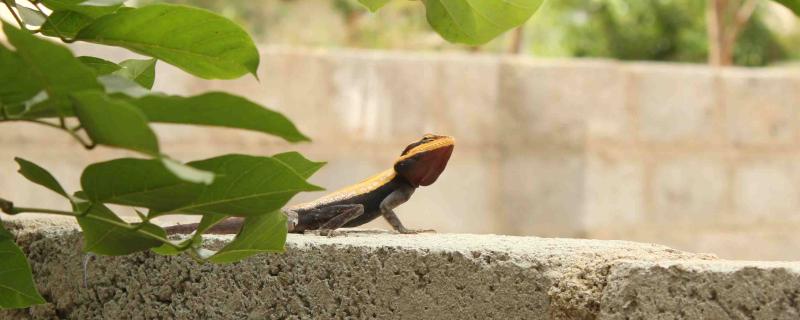
“முன்னியது முடித்தனம் ஆயின், நன்னுதல்,
வருவம்’ என்னும் பருவரல் தீர,
படும் கொல் வாழி நெடுஞ்சுவர்ப் பல்லி…….”,

169 - நற்றிணை

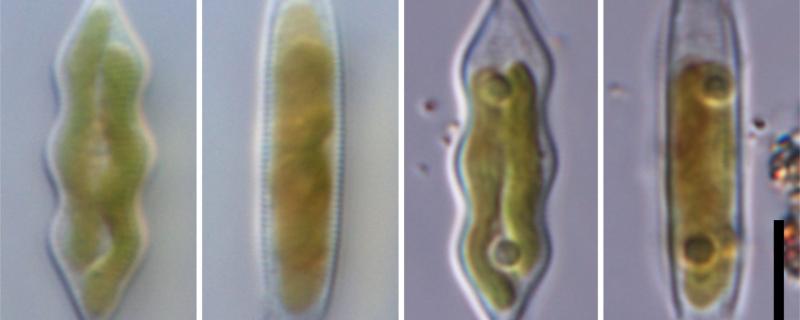
In a recent study, researchers from Agharkar Research Institute, India, Harbin Normal University, China and the University of Colorado, USA, have described a new genus of diatoms called Kulikovskiyia. Diatoms belonging to this genus are currently found only in the Western Ghats of India and Hainan Province of China. The study, funded by the Science and Engineering Research Board, was published in the journal Phycological Research.

Search Research Matters