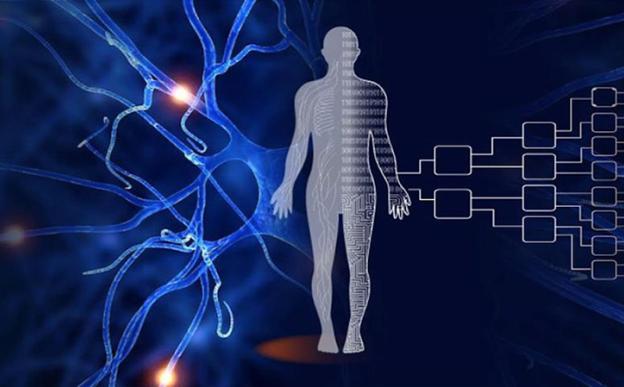
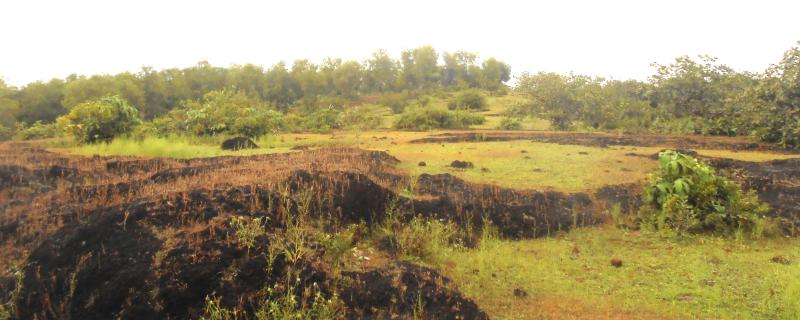
A new open-source satellite tool has revealed the critical ecological and economic importance of India’s Open Natural Ecosystems, challenging the colonial-era classification of these biodiversity hotspots as unproductive wastelands.
Archives
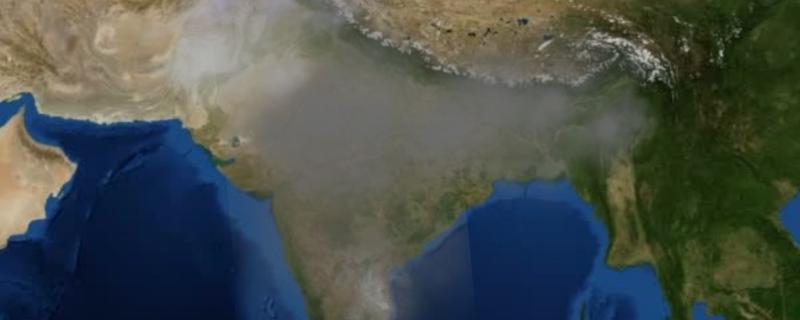
Satellite analysis confirms rising temperatures and wind patterns are driving aerosol spikes across India, with a record high in 2022 following the historic lows of the COVID-19 lockdown.
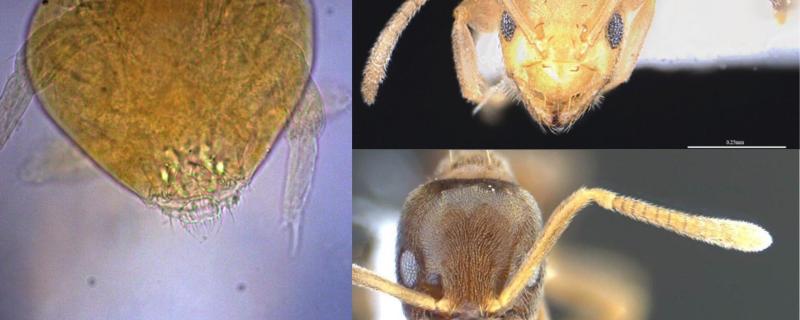
Three new species discovered in the Himalayas: a new springtail from Sikkim and 2 new ants from Assam.
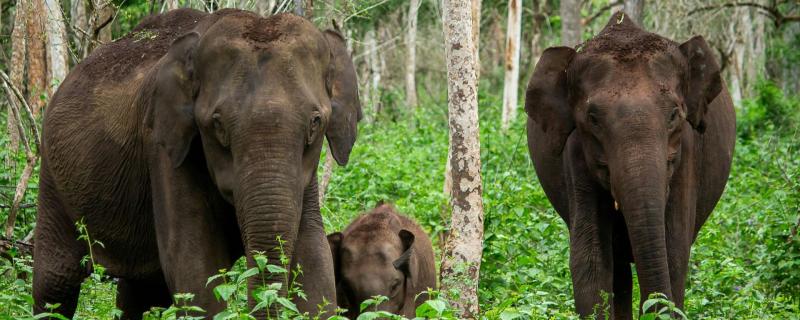
New research from India reveals that, contrary to long-held scientific beliefs, feeding on trees and shrubs does not provide Asian elephants with more protein than grazing on grass.
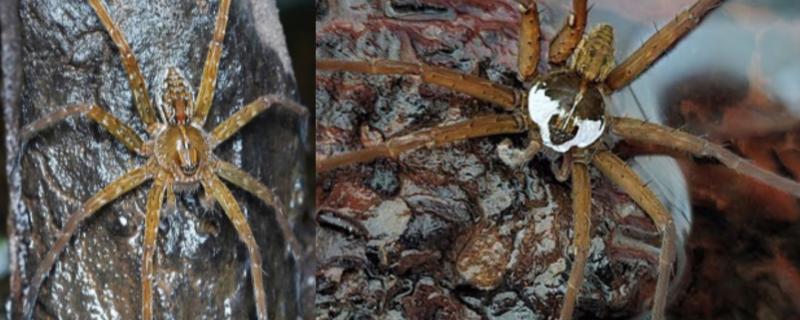
Image: Dolomedes indicus, Adult Female (left) and adult male (right). Credit: Authors https://doi.org/10.1038/s41598-025-26308-2
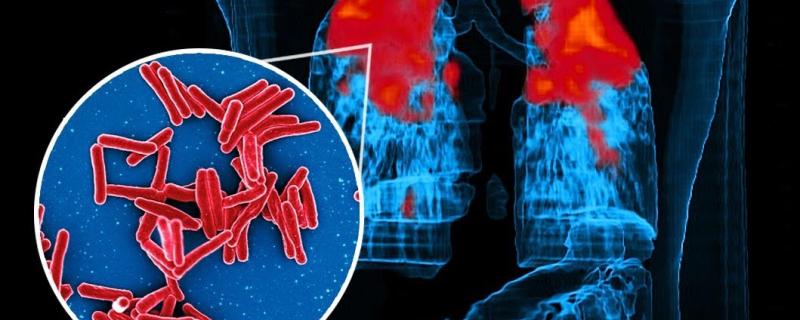
Researchers discover that TB bacteria can shield themselves from antibiotics and stay alive longer by changing their outer fat coating.
क्षयरोग के जीवाणु प्रसुप्त अवस्था में अपने बाह्य आवरण में होने वाले परिवर्तन के कारण प्रतिजैविक (एंटीबायोटिक्स) से बच कर लंबे समय तक जीवित रह सकते हैं।
क्षयरोगाच्या जीवाणूंच्या बाह्य आवरणात सुप्तावस्थेत झालेल्या बदलांमुळे ते अँटीबायोटिक्स पासून बचाव करून दीर्घकाळ जिवंत राहू शकतात असे संशोधकांना दिसून आले.
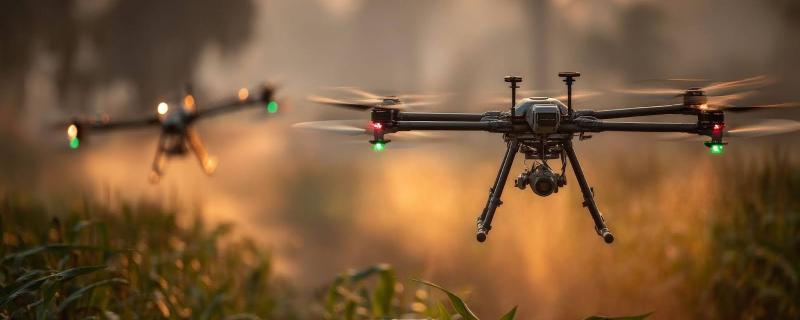
Novel scheme by IIT Bombay researchers to control drones can enable complex formation flying using only camera data, without GPS or inter-drone communication.
Pregnancy care for the mother could boost the child’s test scores until age eight, shows a new study

New longitudinal research reveals that mothers who access regular antenatal care have children with significantly higher vocabulary and math skills in primary school, though this early advantage requires sustained educational support to persist into adolescence.