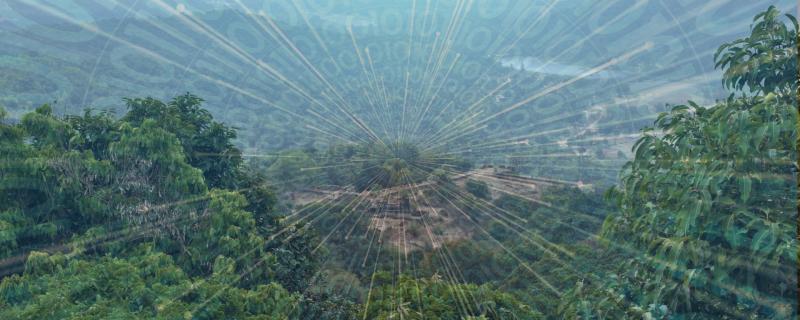
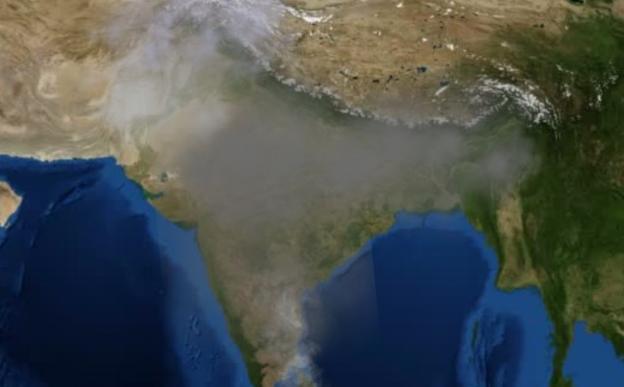
Satellite analysis confirms rising temperatures and wind patterns are driving aerosol spikes across India, with a record high in 2022 following the historic lows of the COVID-19 lockdown.

Ecology

Bengaluru

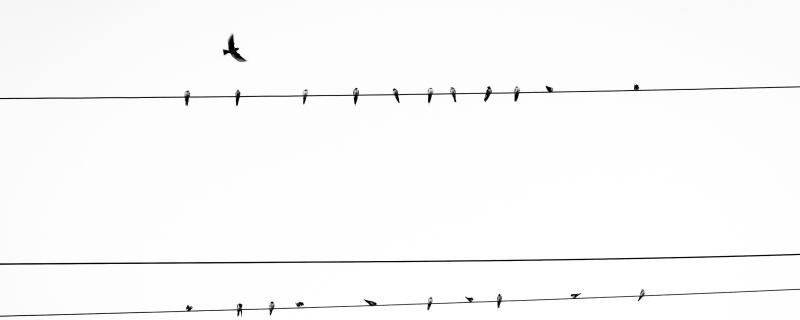
Researchers from the KTH Royal Institute of Technology, Sweden, Bombay Natural History Society, Mumbai, Aarhus University, Denmark, ICPO ‘Biologists for Nature Conservation’, Russia and the University of Washington, USA, have reported the effect of urbanisation on the diversity of birds.
Himachal Pradesh

Forests, with their rich biodiversity, play a critical role not only in the ecology of a region but also in social systems that involve humans. Researchers from the University of Illinois, USA, used artificial intelligence to evaluate the forest management policies in Himachal Pradesh, India.

Bengaluru

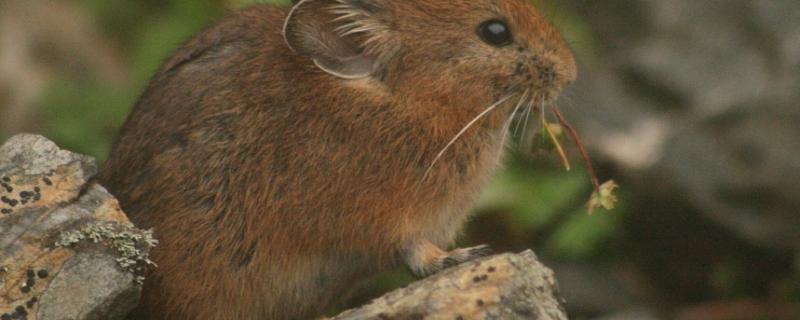
Researchers from IISc have found evidence that climate change is threatening the mountain-dwelling Royle’s pika.

Odisha

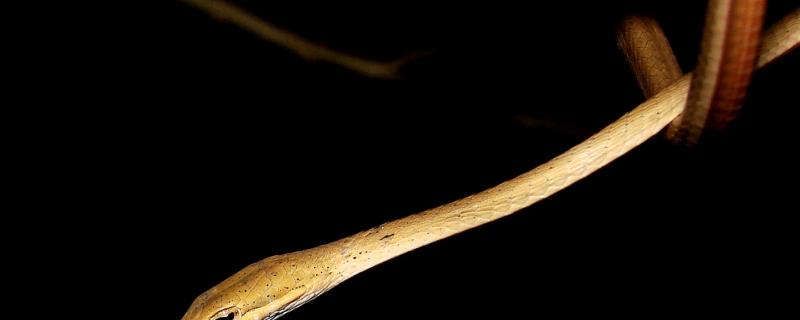
Researchers from the Natural History Museum, London, Wayanad Wild, the Wildlife Institute of India, Nature, Environment and Wildlife Society, and the Zoological Survey of India discover a new species of vine snake Ahaetulla laudankia in Odisha, India.

Imagine yourself enjoying the comforts of your home when you feel a sudden change in the atmosphere, and before you find out why, your skin starts to burn and you can hardly breathe. That’s when you realise that the place you have been living since ages has suddenly become a living hell.  Welcome to the world of marine animals!

Coimbatore

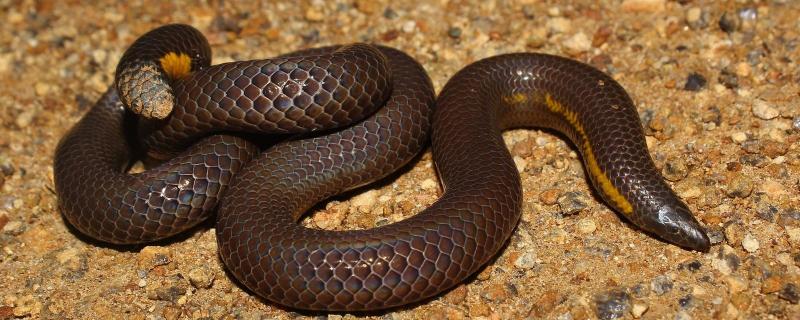
Researchers from the Sálim Ali Centre for Ornithology and Natural History (SACON), Coimbatore, and the Natural History Museum (NHM), London, UK, discover a new species of shieldtail snake, Uropeltis Bhupathyi, from the Anaikatty Hills in Coimbatore, Tamil Nadu.

Hyderabad

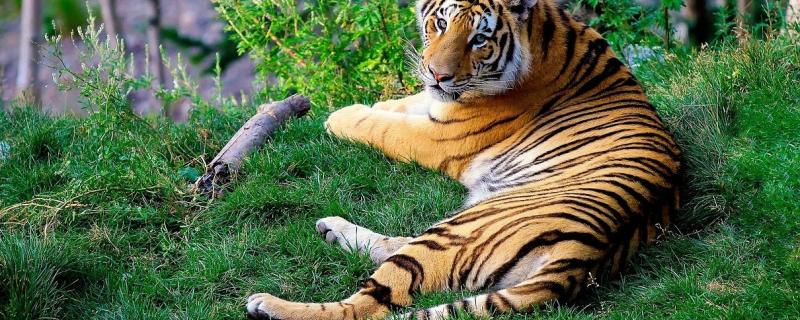
Two Russian institutes—A.N.Severtsov Institute of Ecology and Evolution and Moscow State Agricultural University, and the Centre for Cellular and Molecular Biology, India, have compared the chemical contents of the faecal matter of the Amur and Bengal tigers to examine the stress levels of these tigers in India and Russia.

Do you remember poking a plant that quickly closed its leaves, seemed to droop and shy away? An introvert among plants and a favourite among all of us, the touch-me-not or chuimui in Hindi, is aptly named Mimosa pudica by scientists, where pudica is Latin for shy or chaste. We have all enjoyed seeing it fall asleep; probably wondering what happened inside the plant and perhaps waiting with curiosity for it to reopen!

Bengaluru

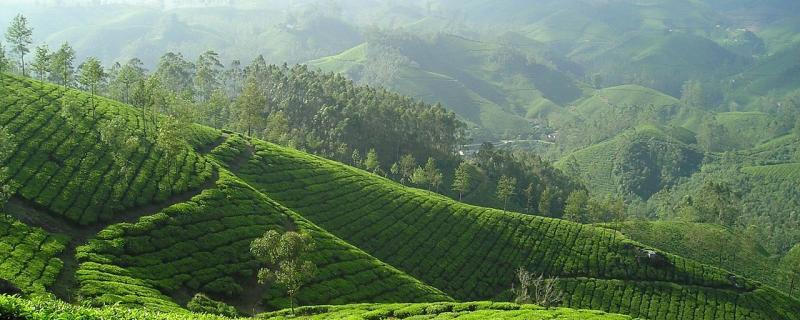
Researchers from IISER, Tirupati, ATREE, Bengaluru, Hume Centre for Ecology and Wildlife Biology, Kerala and The Gandhigram Rural Institute, Tamil Nadu, studied the factors responsible for the deleterious effects on the Shola grasslands of the Western Ghats.

Ladakh

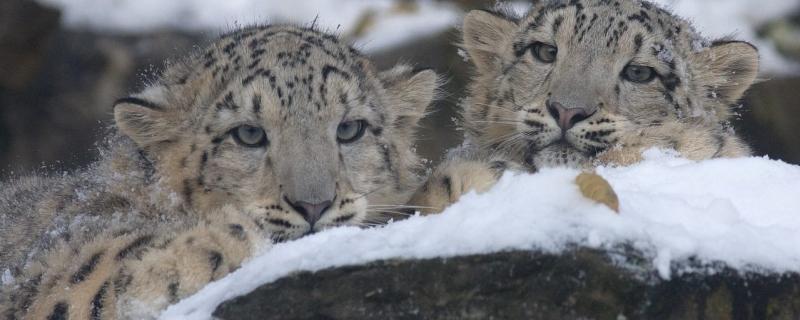
SLC-IT, along with researchers from Panthera, New York, USA, have attempted to model the conditions for a suitable habitat for snow leopards in Ladakh. Known as the ‘snow leopard capital of the world’, Ladakh is thought to harbour 60% of the snow leopard population in India. In this first-of-its-kind study, they have used data from direct observations and camera traps.

Search Research Matters