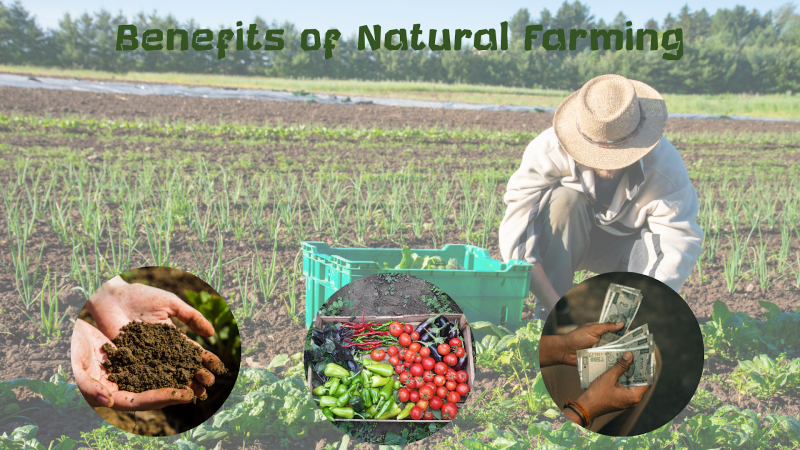
Farmers in Central India are trading synthetic fertilisers and pesticides for homemade bio-inputs, while also, surprisingly, improving both their social lives and their health. A new study shows that as small-scale producers transition toward natural farming, they develop stronger community networks and enjoy more diverse diets. Crucially, researchers from the University of Toronto and the Indian Institute of Technology Bombay found that these farmers managed to make these ecological improvements without suffering the financial losses often feared when moving away from modern chemical agriculture.
To understand how these changes happen, the research team focused on the state of Madhya Pradesh. They interviewed 60 farmers at different stages of their agricultural journey. The team then categorised the participants into three groups: conventional farmers using standard chemicals, in-transition farmers who had started using natural inputs but still used some fertiliser, and agroecological farmers who had completely abandoned synthetics for at least two years. By comparing these groups, the study was able to track the incremental benefits that appear as a farmer moves away from the Green Revolution model of the 1960s, which prioritised high yields through heavy chemical use.
The study used a Five Capital Assets framework to measure success. Instead of focusing solely on profit, the researchers examined social capital (community ties), physical capital (equipment and infrastructure), natural capital (soil health and biodiversity), human capital (skills and health), and financial capital (income and savings). They found that while financial assets remained stable across all groups, the social and natural scores skyrocketed for those moving toward agroecology. For instance, over 80% of natural farmers reported using strong networks to share knowledge and seeds, compared to as little as 10% of conventional farmers. Furthermore, the natural farmers had a much prettier plate; their dietary diversity was significantly higher, with a much greater intake of vegetables and legumes than their chemical-reliant neighbours.
The work suggests that sustainable farming, apart from protecting the environment, is a vital tool for social resilience. By showing that agroecology strengthens the social fabric and improves nutrition without hurting the chequebook, the study provides a roadmap for policymakers to support sustainable transitions. In a world facing climate change and food insecurity, these findings offer hope that we can feed the planet while making rural communities stronger and healthier.