New research from India reveals that, contrary to long-held scientific beliefs, feeding on trees and shrubs does not provide Asian elephants with more protein than grazing on grass.

Press releases

Thiruvananthapuram

Researchers have successfully manipulated the internal structure of a bacterial membrane protein to switch its sensing capabilities between small and large molecules, paving the way for advanced diagnostic tools.

Bengaluru

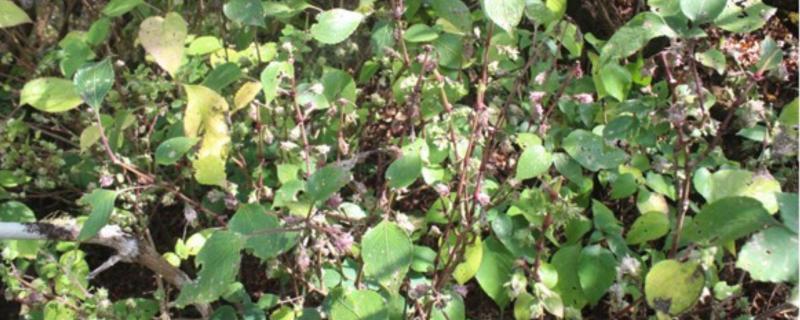
A new species of flowering plant, Strobilanthes sharavathiensis, has been discovered in the high-altitude grasslands of India’s Western Ghats

Kodagu

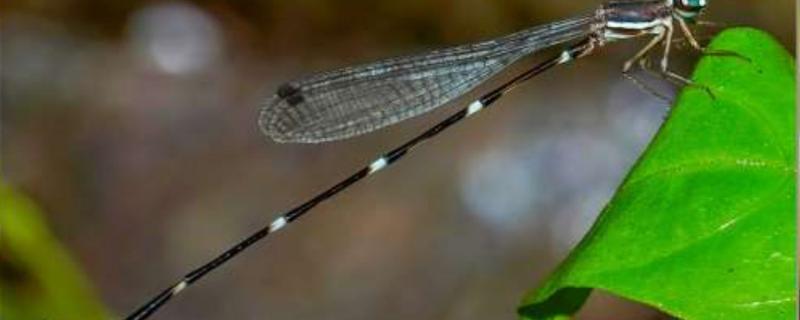
A new species of damselfly, the Kodagu Shadowdamsel (Protosticta sooryaprakashi), sporting vibrant sky-blue markings, has been discovered in the biodiversity hotspots of India’s Western Ghats.

Hyderabad

Researchers used the f(R, L, T) gravity framework and the Van der Waals equation of state to create a mathematically sound model that, crucially, shows strong resistance to collapse.

Dehradun
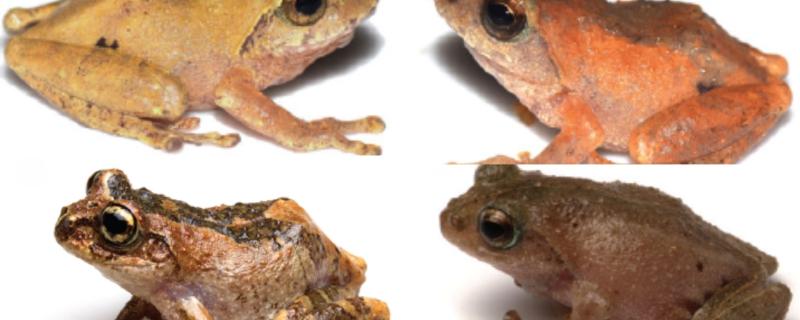
Image: 4 of the new species of bush frogs. Credit: Authors https://doi.org/10.3897/vz.75.e148133

A revision of the tiny, elusive bush frogs of Northeast India has led to the formal description of 13 new species, boosting the region's known amphibian diversity. 

Bengaluru

Padubidri V. Shivaprasad was awarded the prize for pioneering an out-of-the-box solution to the global food crisis: teaching rice to be wild again.

Sonepat

Researchers have developed a computer model using the agent-based simulation framework, BharatSim, to simulate a potential H5N1 bird flu outbreak in a realistic South Asian community.

Kollam

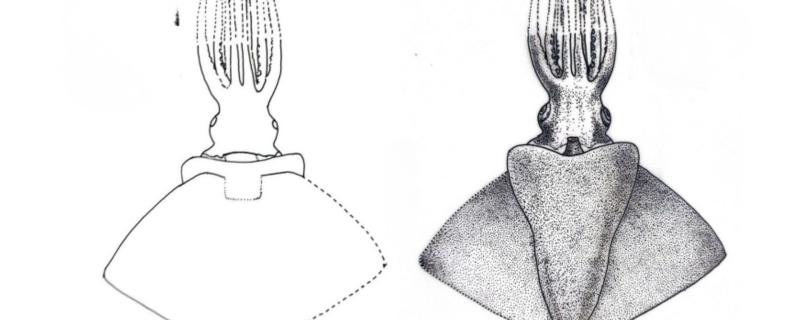
Researchers have identified a new species of giant deep-sea squid, Taningia silasii, from the southeastern Arabian Sea.

Hyderabad

India's poorest students are closing the STEM gap, but a strong gender bias and the high cost of private colleges continue to block equitable access to 'high-value' science and technology degrees.

Search Research Matters