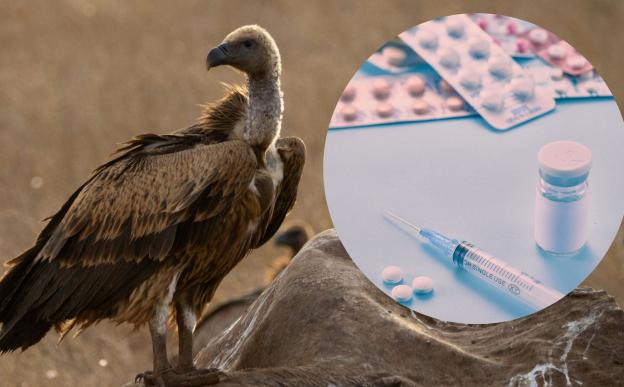
Despite successful bans on the veterinary drug diclofenac in Nepal and parts of India, a decade-long undercover investigation reveals that toxic alternatives like flunixin and nimesulide are rapidly replacing it, posing a renewed existential threat to the region’s critically endangered vulture populations.

Ecology

Bengaluru

Researchers at the National Centre for Biological Sciences (NCBS), Bengaluru, University of Leeds, UK, and Manipal Academy of Higher Education, Manipal, traced some of the misinformed decisions that were made in the past about trying to grow forests in the shola-grassland landscapes of the Nilgiris.
Thiruvananthapuram

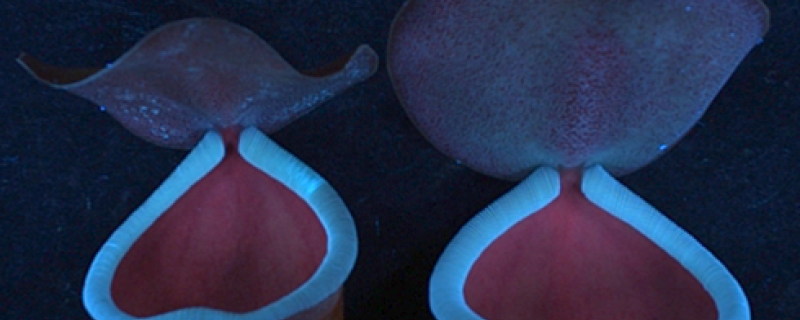
Researchers at the Jawaharlal Nehru Tropical Botanic Garden and Research Institute, Thiruvananthapuram, explore how insectivorous plants attract insects.

Kottayam

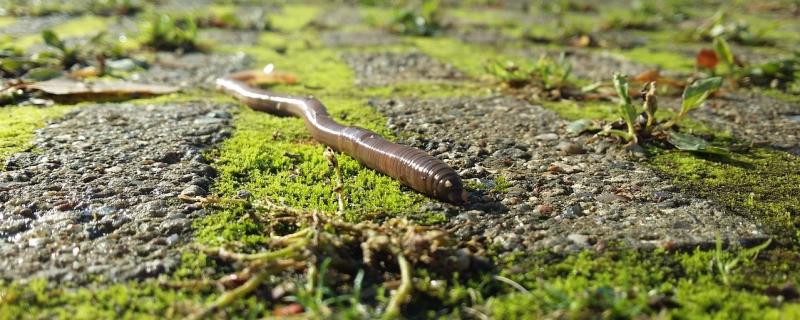
Researchers from the Mahatma Gandhi University, Kottayam, report that the diversity of earthworms enriches the carbon content of the soil.


Mumbai

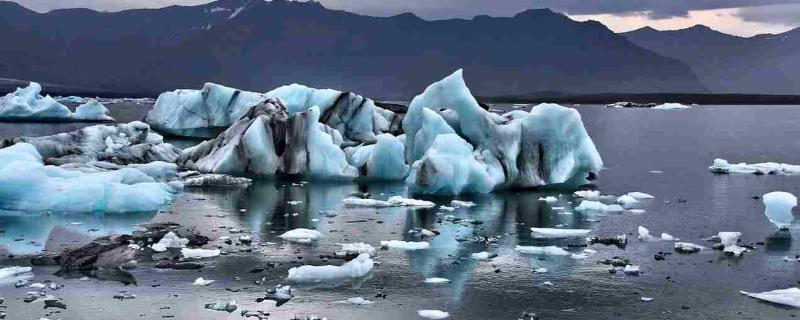
Researchers from Switzerland, Germany, Austria and India have calculated the distribution of ice thickness or the volume of ice in the glaciers present across the globe.

Pune

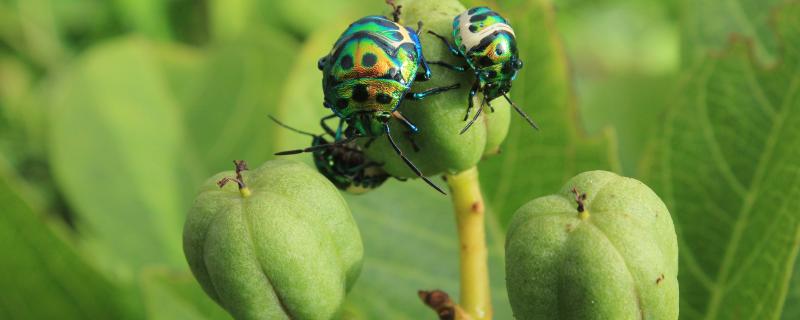
Researchers from M.E.S. Abasaheb Garware College, Pune, explore how density of plants affects the presence and abundance of herbivores.

How do scientists proclaim an ecosystem like the Western Ghats as an ‘biodiversity hotspot’ and push for its conservation? They do so by ‘ecological sampling’, a technique used to find diversity and abundance of animals and plants in a habitat. They collect samples of plants and animals from different locations within an area and extrapolate the possible biodiversity that exists in the area.

New Delhi

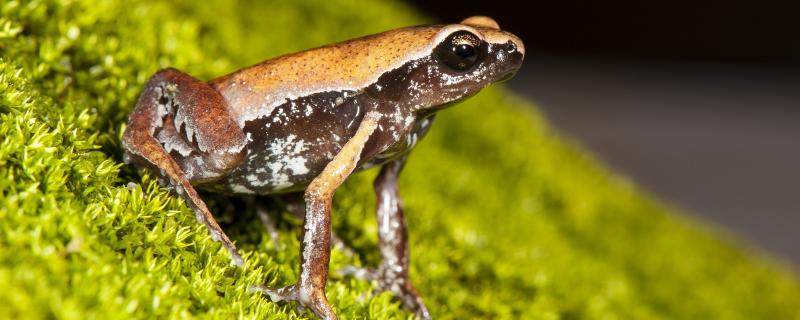
The forests of the Western Ghats, a biodiversity hotspot of India, have been revealing several new species of amphibians and reptiles in the recent years. This time, however, amphibian researchers from the University of Delhi have discovered a new frog species which was hiding in plain sight in a roadside puddle in Southern India.

One of the greatest threats to biodiversity is the fragmentation or breaking apart of habitats. Climate change, volcanic eruptions and other geological processes can gradually modify the area in which a species finds food, shelter, and mates. By natural selection and adaptation, speciation occurs, adding to the richness of life. Conversely, human activities of deforestation, agriculture and urbanisation have accelerated habitat loss to such a degree that species are unable to adapt to the changes, leading to ecosystem decay and, ultimately, extinction.

Bengaluru

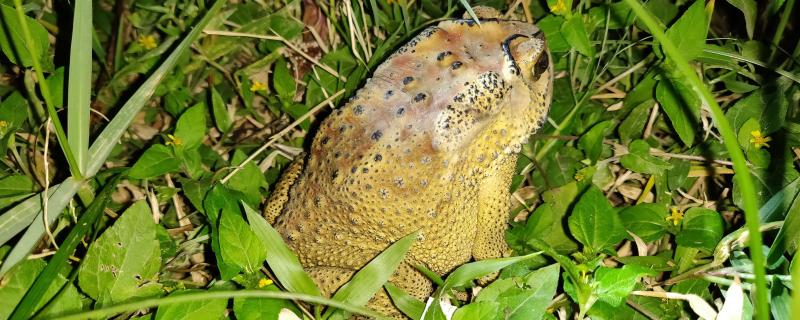
Scientists from the University of Plymouth, UK, George Washington University, USA, Imperial College London, UK, and Tata Institute of Social Sciences, India, explore a leathal fungus threatening the existence of frogs.

Bengaluru

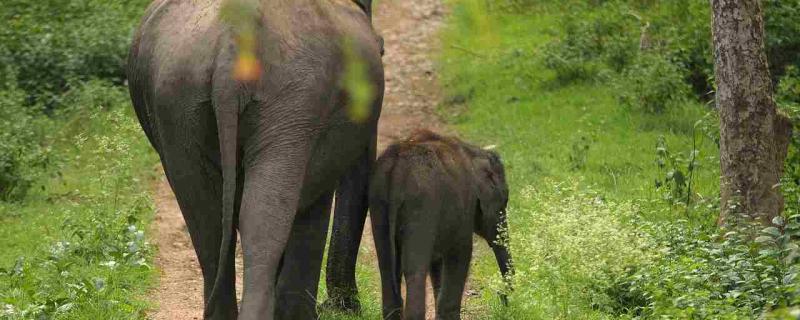
Researchers from the University of Turku, Finland describe some interesting differences in the personalities of male and female Asian elephants.

Search Research Matters