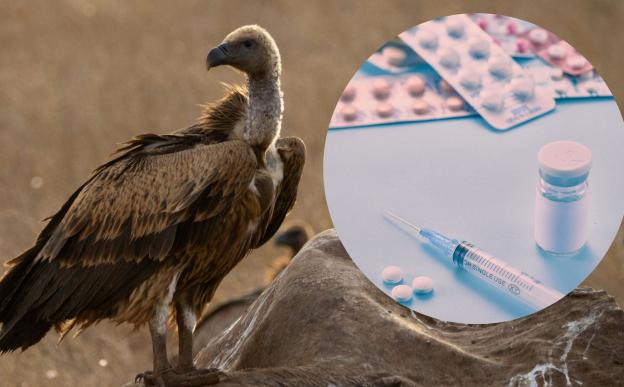
Despite successful bans on the veterinary drug diclofenac in Nepal and parts of India, a decade-long undercover investigation reveals that toxic alternatives like flunixin and nimesulide are rapidly replacing it, posing a renewed existential threat to the region’s critically endangered vulture populations.

Ecology

Mumbai

Urbanisation and agricultural intensification alter rainwater draining and soil movement, says a study from IIT Bombay.
Bengaluru

Researchers from the USA, Australia and Canada identified some of the ‘hotspots’ and ‘coolspots’ of human activities in the world and analysed the impact of these activities on threatened and near-threatened wildlife.

Bengaluru

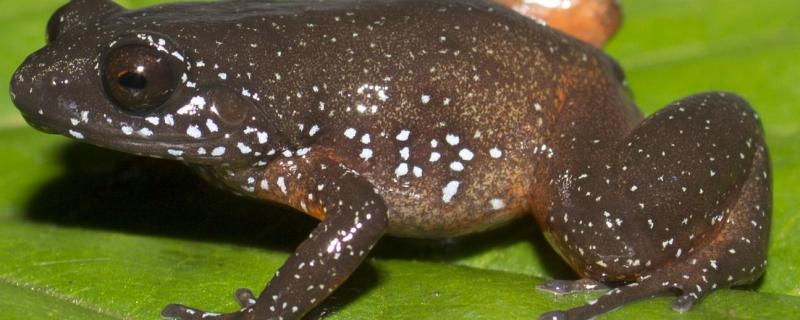
An international collaboration of researchers, including two from IISc Bengaluru, have described a new starry frog Astrobatrachus kurichiyana from the Western Ghats.

Dehradun

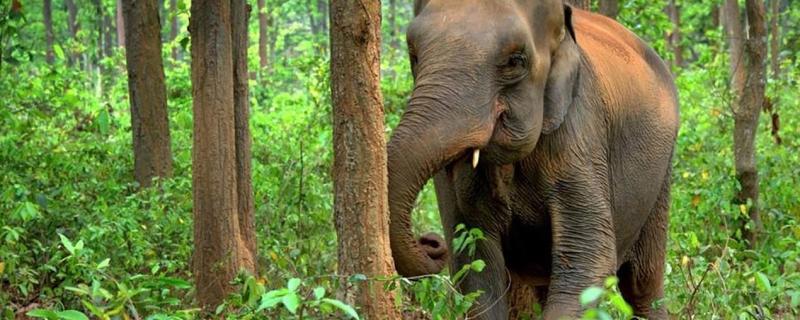
An international team of researchers from India, Spain, Nepal, Myanmar, Italy and Germany have examined how climate change and human activities are affect the distribution of the Asian elephants in India and Nepal.

Anantapur

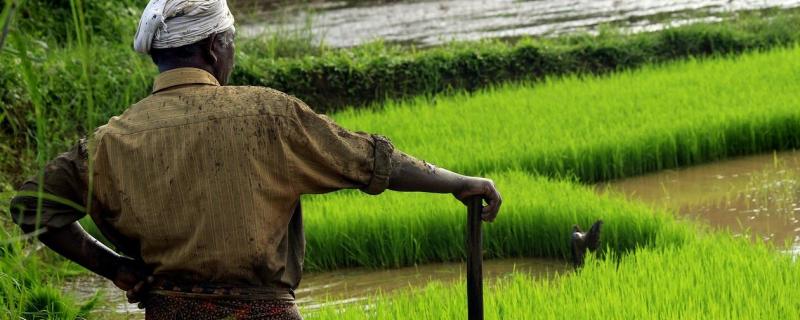
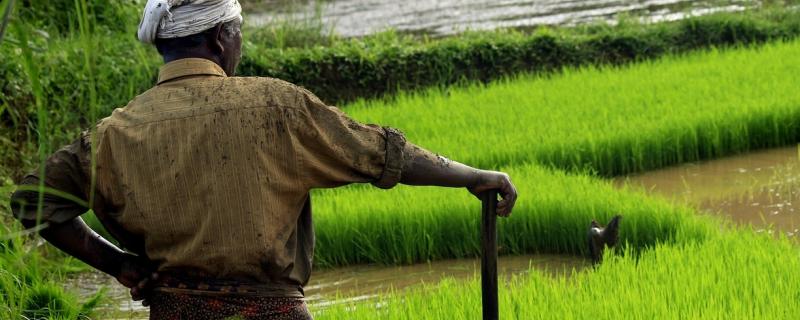
Oryza sativa, or rice, is the staple food of more than half the world’s population and supports the livelihoods of around 145 million households. Since its domestication thousands of years ago, rice has played an essential role in shaping civilisations. However, present-day practices of rice cultivation may harm the planet's climate, shows a recent study conducted in India.

Global incidences of disease outbreaks such as Ebola, SARS, Avian influenza, etc., are increasing with over sixty percent of infectious human diseases being of zoonotic or animal origin. Human infections and fatalities occur only when zoonotic pathogens spill over from animals, upon attainment of certain specific parameters. In most cases animals, including wildlife, act as reservoirs of these pathogens are are not necessarily affected by the disease. Consequently, one would feel that animals are responsible for this disease transmission.

Bengaluru

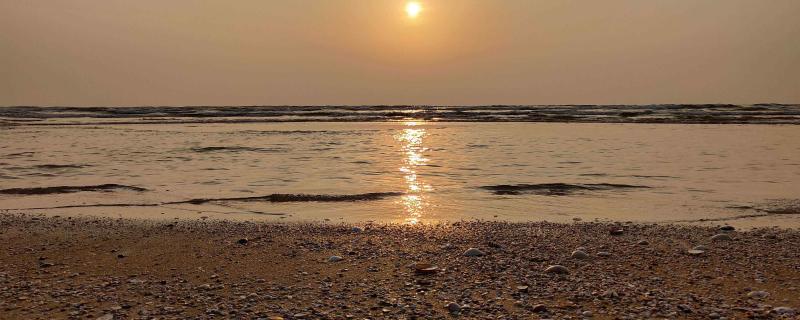
Over two-thirds of the Earth’s surface is covered with water, with nearly 97% of this being in the oceans. Oceans are home to amazing creatures—from microscopic phytoplankton which produce most of the Earth’s oxygen, to gigantic whales which take your breath away. World Wildlife Day is celebrated each year on March 3rd to celebrate and raise awareness about the diverse wildlife on our planet. The theme for 2019 is “Life below water: for people and planet" which aligns with goal 14 of the United Nations Sustainable Development Goals, i.e.

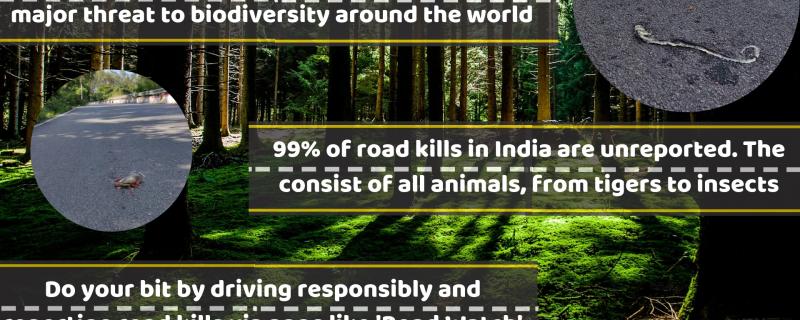
“Ecology is boring for the same reason that destruction is fun”, said Don DeLillo, an American novelist and playwright. This saying resonates very well with road ecology. Road kills are soon forgotten till the next one happens, reckless driving in protected areas is ubiquitous and polluting ecologically sensitive area is an act of no shame. And, this is not fun!

Delhi

Researchers from Biodiversity International and collaborators from Norway, Nicaragua, Italy, Ethiopia, Costa Rica, Honduras, Germany, and India have described how participation of farmers as citizen scientists can help to address this challenge.


Arunachal Pradesh

Recent discoveries such as a new species of burrowing eel, a new sub-subspecies of endangered hog deer and several species of frogs,

Search Research Matters