Ecology

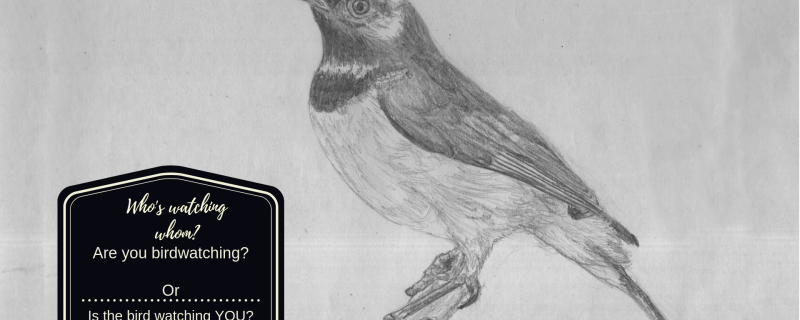
Savitri is a cheerful 6-year old girl with twinkle in her eyes and swiftness in her feet. She is extremely delighted to pen down the curvy tip of the beak of Purple-rumped Sunbird in her note, her 100th bird species to be identified during her birding trips. The alluring plumage, swift flight, striking songs of these feathered friends fascinate not only her, but the entire mankind!
Bengaluru

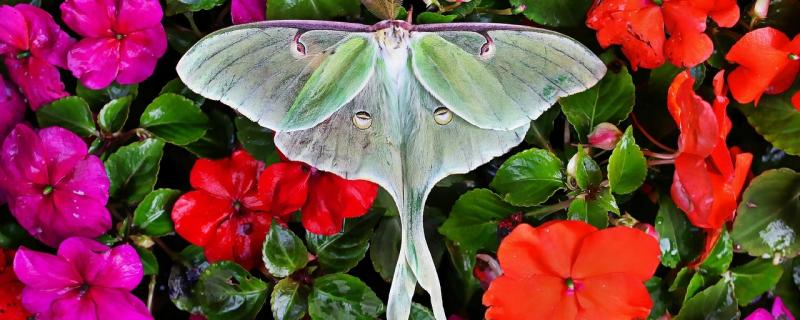
A sneak peak into the world of the moth, a severely under studied insect that is in dire need of conservation.

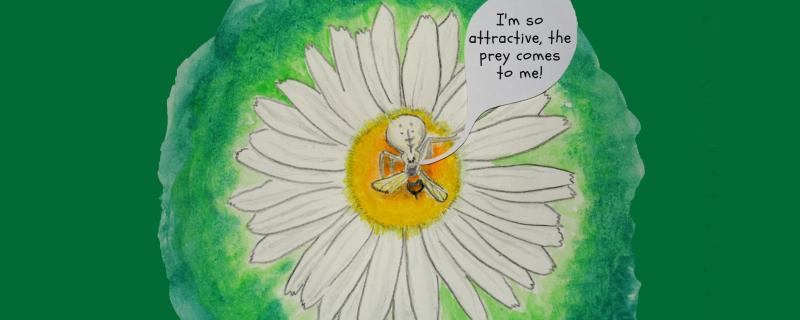
Crab spiders are a family of small, pretty spiders, some of which you could find in your own backyard or even on a potted plant. They are accomplished ambush hunters, making meals out of insects much larger than themselves – a crab spider half the size of your fingernail can easily grab a large butterfly. They are coloured to blend in remarkably with their surroundings, much like an octopus or a chameleon would.

Bengaluru

In a recent article published in the `Science’ magazine, titled ‘When the cure kills—CBD limits biodiversity research’, researchers have questioned the Convention on Biological Diversity (CBD), a framework formulated to conserve biodiversity. 

Bengaluru

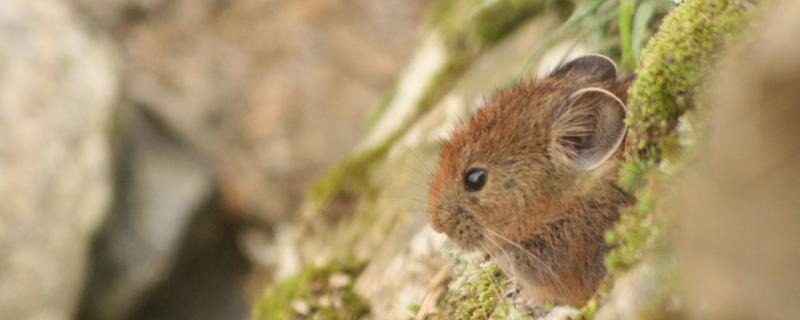
Scientists from the Indian Institute of Science, Bangalore, study how climate change is affecting small herbivores in the Himalayas. 

Bengaluru

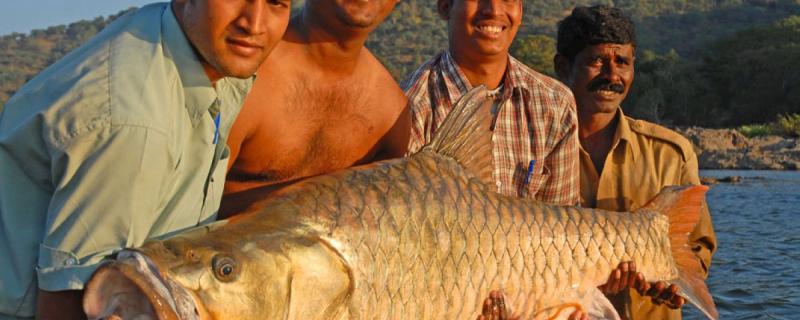
In a recently published study, the researchers have taken the first step of scientifically naming the fish as Tor remadevii, with a hope of reviving its numbers.  

Bengaluru

Researchers from the Indian Institute of Science, Bangalore, find how geckos from India could have spread into and adapted to the Sri Lankan environment.

Bengaluru

An international team of researchers use a multi-pronged approach to understand the diveristy in tree communities.

Kolkata

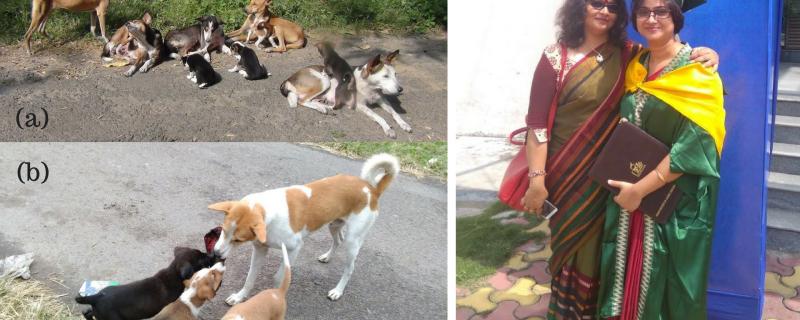
Some curse them, throw stones at them, beat them, and even kill them, while a few pet them and form a special bond!  Domestic dogs, or Canis lupus familiaris, are known to be our 'best friends'. Yet, nearly 70-80% of the 90 crore dogs globally, about 70 crores, are free-ranging and include stray and feral dogs.  How do they survive and thrive in the dangerous streets without our active care?  It turns out, just like us, they have a 'family' that makes it possible.

Bengaluru

Research from the National Institute of Advanced Studies and University of Cambridge helps us understand better of Macaques live in urban habitats.

Search Research Matters