Research reveals that graphene-enhanced batteries can slash electric vehicle charging times by up to 27% while cutting battery weight by more than half, potentially solving the biggest hurdles to green transportation.

General


[field_op_main_image]

As a part of the Student Conference on Conservation Science held on the 23rd of September in Bangalore, Artecology presented a unique combination of performing arts and science. Titled "How to be a Fig", this movement art presentation was a hit among the attendees that included ecologist, conservationists, artists and dancers. How exactly was the performance? Read on to know.

Approximately 75% of the emerging infectious diseases and 60% of all human diseases are zoonotic in nature, i.e. they are are caused due to the spread of infection between animals and humans. Leptospirosis, a zoonotic disease is a bacterial infection caused by the pathogen spirochetes and reports an estimated 1.03 million cases and 58,900 deaths each year. Leptospira contains 250 antigenically diverse species and due to these distinct variations in the bacteria --called serovars, creating a cross-protective vaccine against the disease is challenging.


[field_op_main_image]

Dams and other hydrological barriers are essential for the production of hydroelectricity and to direct water to water-deficient areas. But the presence of these structures are known to interfere with the ecology of the river, affecting the flora and fauna inhabiting it. The western ghats of India are home to many endemic fish species which are affected by these hydrological structures. Recent study from ATREE shows what can be done to ensure that the biodiversity in the Western Ghats is not lost to hydrological structures.

In the present time, with increasing demand for transportation fuels coupled with declining reserves of crude oil, scientific communities are forced to focus on renewable fuels. Although biofuels obtained from energy crops such as food and non-food energy crops act as renewable fuels, various issues such as food versus fuel debate, biodiversity loss and their effect on the land has shifted the idea of energy production towards other alternative biofuel producers like waste materials and microorganisms.


[field_op_main_image]

India is one of the 17 megadiverse countries in the world and home to a vast expanse of natural habitats from evergreen forests to grasslands. These natural havens have over the past years faced many threats from humans, but the largest threat that Indian wildlife faces is poaching. How can these vast expanses be constantly monitored in order to protect our unique wildlife? Researchers and forest officials have come up with many ingenious methods using the latest technology to take action against this threat. From realtime videos accessible on smartphones to DNA analysis - read more about how our wildlife is being protected from poachers.


[field_op_main_image]

Climate change and anthropogenic pressure are affecting natural environments world over. In this scenario how vulnerable are forests? If we keep growing at the rate we are growing now, what impact will it have on our forests in the years to come? Scientists from Indian Institute of Science and Wildlife Institute of India explore these far reaching questions in an Indian context. Their findings show that many forests are under considerable stress. The researchers say a perception change can help protect our forest.

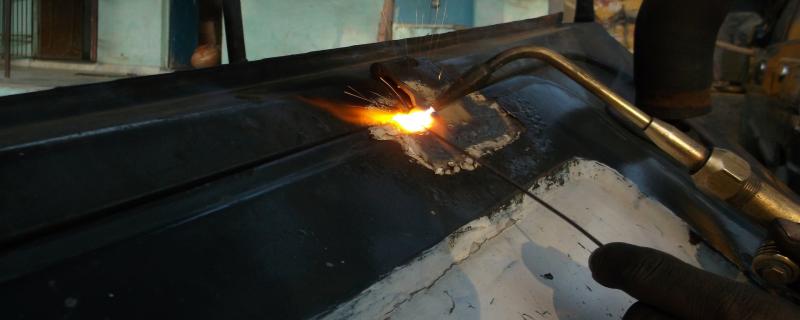
Welding is a process that has been used to sculpt metal from the renaissance periods. Over the ages, it has become one of the key processes in making several consumable and artistic materials.  Though there is mechanization in most industries, this field still has over 5 million people working in it. The massive industry, comes with its own set occupational hazards. Welding releases a cocktail of toxic gases, heavy metals and nanoparticles. Even upon exercising great care and protection, these substances can still be inhaled by the workers.

Black holes are the celestial objects with such immense gravity that nothing can escape from them -- not even light!

Einstein's theory of General Relativity tells us that space and time are intertwined. This space-time can be curved and warped by anything that has mass, like the sun or earth. Gravity is not a force that attracts objects like magnetism, but is the result of this curve in space-time.

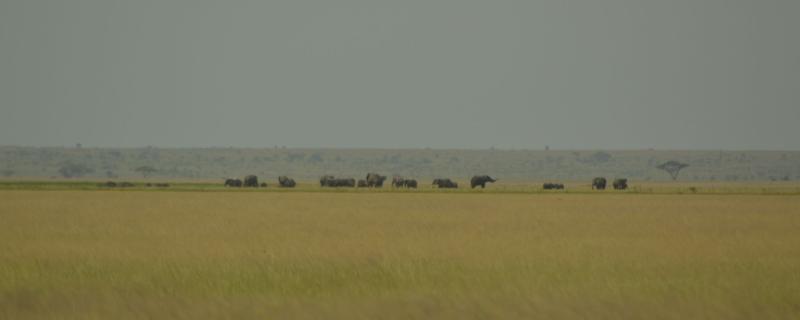
Ever wondered if natural surroundings give out subtle hints before going through landscape level transformations? Scientists from Princeton University (USA) and Indian Institute of Science (India), have collaborated to try and figure out if there are any such hints or signs in nature, which can help in predicting transformations within grassland and woodland habitats in Serengeti-Mara.

Search Research Matters