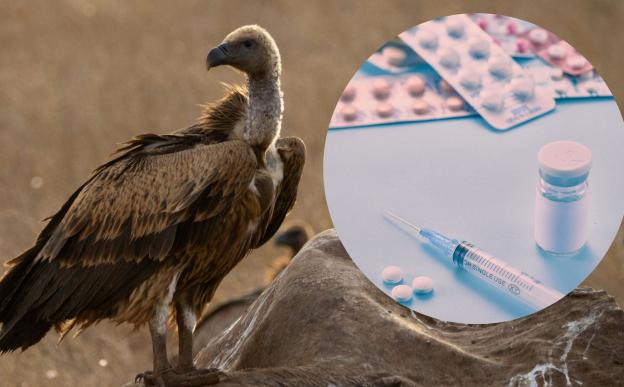
Despite successful bans on the veterinary drug diclofenac in Nepal and parts of India, a decade-long undercover investigation reveals that toxic alternatives like flunixin and nimesulide are rapidly replacing it, posing a renewed existential threat to the region’s critically endangered vulture populations.

General

Bengaluru

A global study finds that diets high in sodium and low in whole grains and fruits result in most deaths.
Bengaluru

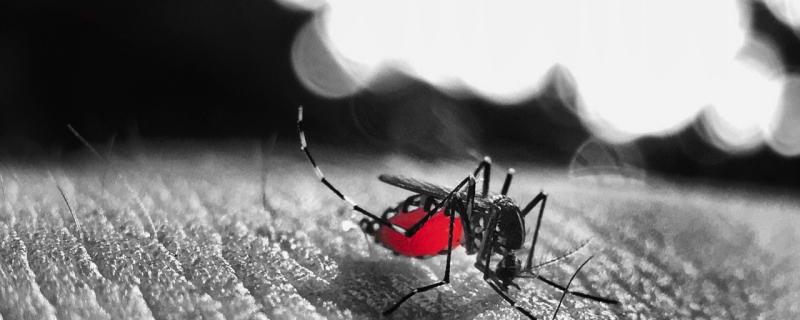
Researchers from the National Institute of Epidemiology, Chennai, Jawaharlal Institute of Postgraduate Medical Education, Puducherry, Campbell Collaboration, New Delhi and the Indian Council for Medical Research, New Delhi, aim to understand the nature of the dengue infection and its prevalence in the country. The study shows that community-based cohort studies may hold the key to tackling dengue infections.

Dehradun

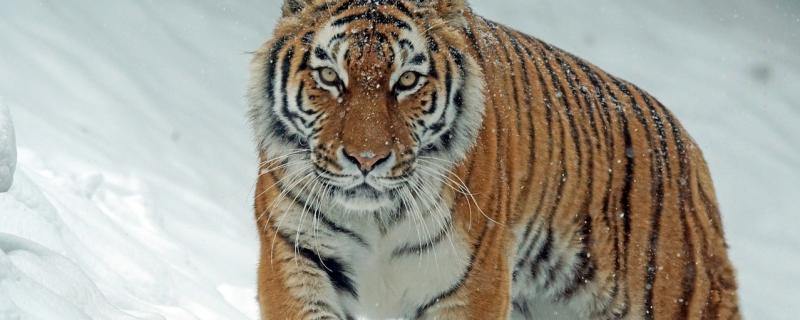
Researchers from the Wildlife Institute of India have reported the first photographic evidence for the majestic tiger in the Eastern Himalayas at altitudes as high as 3,630 m.

Bengaluru

Researchers from American university explore the reasons behind urban improvement through the ages.

Bengaluru

In a recent announcement, five journalists have been awarded the India Science Media Fellowships—a first of its kind fellowship in India that is designed to support Indian journalists to build a body of science-based journalistic work.

New Delhi

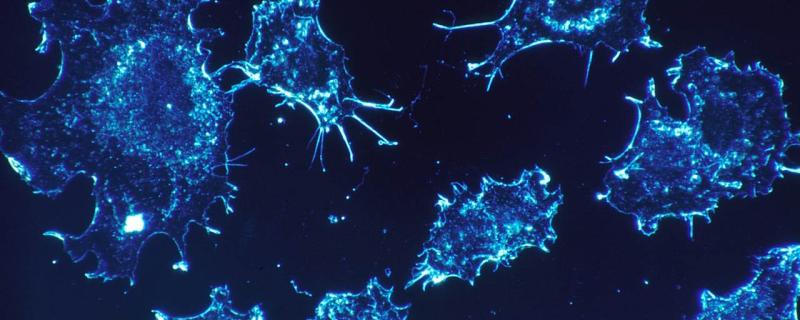
A team of researchers from Centre for Interdisciplinary Research in Basic Sciences, Jamia Millia Islamia, New Delhi, have reported a new compound that has shown promising potential to fight against cervical cancer.


Pune

Researchers from the Johns Hopkins School of Medicine and the Byramjee Jeejeebhoy Government Medical College and Sassoon Government Hospitals study how household air pollution can affect tuberculosis.

Bengaluru

A team of international researchers examine the cost burden of haemodialysis and found that about nine in ten households found it hard to meet the expenses, in spite of subsidies. 

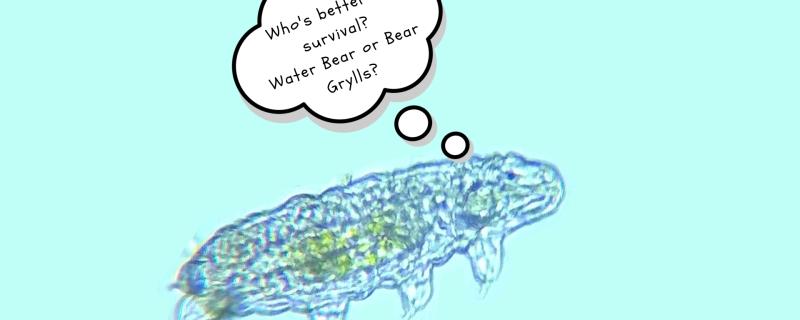
Water is essential in biochemical processes needed for the survival of living organisms. Humans can survive without water for about 2-7 days. However, there exists an animal so resilient that it can withstand water scarcity for decades! Tardigrades, also called water bears, are small aquatic animals that are about 1.2 mm long with a head and four pairs of clawed legs, looking like cute little gummy bears.

Bengaluru

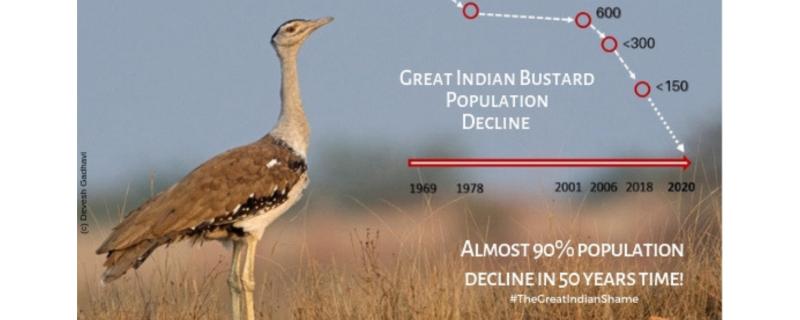
Standing a metre tall and weighing up to a whopping 18 kilograms, the Great Indian bustards (GIB) are one of the heaviest flying birds on Earth. Yet, they are unable to ‘throw their weight around’ in this world dominated by us. Their numbers have drastically declined by nearly 90% in the last 50 years, and the future of these charismatic birds look very bleak. They are now in a tight race against time for their survival, and if things don’t change fast, they could be the first species to go extinct in independent India.

Search Research Matters