General

Bengaluru

Researchers from the USA, Australia and Canada identified some of the ‘hotspots’ and ‘coolspots’ of human activities in the world and analysed the impact of these activities on threatened and near-threatened wildlife.

Bengaluru

Tiny RNA lost during domestication created robust rice varieties, shows study by NCBS, Bengaluru. 

Bengaluru

Today’s world has more adolescents—children in the age group of 10-24 years—than ever in history. Of the 1.8 billion adolescents, a third of them, or 622 million, live in India and China. With this fraction of people growing up to be future citizens, are we doing enough to have their needs met? No, says a worldwide study on adolescent health and well-being, published in The Lancet.

New Delhi

Researchers from the International Food Policy Research Institute, University of Washington, USA, and Oklahoma State University, USA, have reported the economic losses and associated health risk caused by stubble burning in some parts of north India. 

Bengaluru

Study from the Ashoka Trust from Research in Ecology and the Environment details the importance of a global standard to curb the adulteration of herbal medicines.

Bengaluru

An international collaboration of researchers, including two from IISc Bengaluru, have described a new starry frog Astrobatrachus kurichiyana from the Western Ghats.

Mumbai

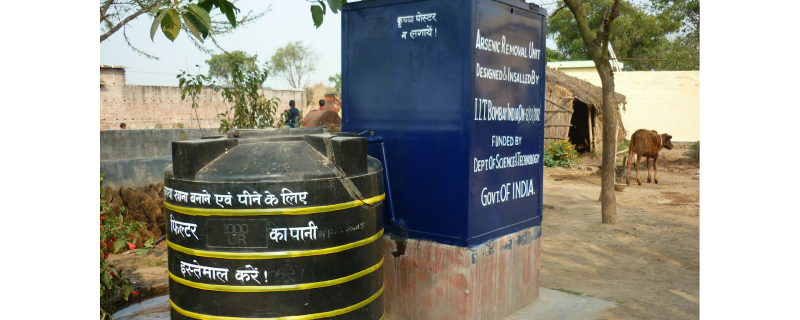
Researchers from IIT Bombay build low cost, easy to maintain arsenic filters for rural communities.

Dehradun

An international team of researchers from India, Spain, Nepal, Myanmar, Italy and Germany have examined how climate change and human activities are affect the distribution of the Asian elephants in India and Nepal.

Anantapur

Oryza sativa, or rice, is the staple food of more than half the world’s population and supports the livelihoods of around 145 million households. Since its domestication thousands of years ago, rice has played an essential role in shaping civilisations. However, present-day practices of rice cultivation may harm the planet's climate, shows a recent study conducted in India.

Mumbai

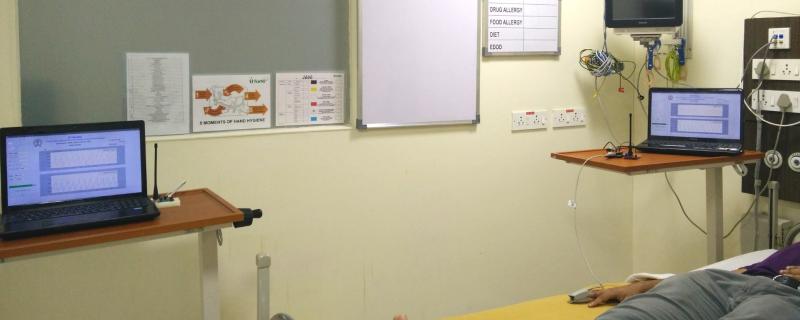
Scientists design low-power, low-cost wearable wireless devices to continuously monitor patient’s health indicators like ECG and EEG  

Search Research Matters