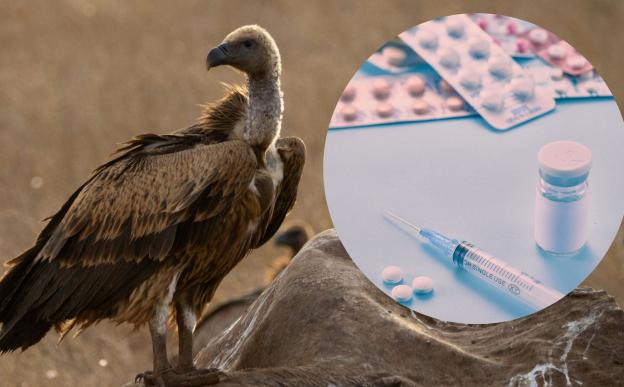
Despite successful bans on the veterinary drug diclofenac in Nepal and parts of India, a decade-long undercover investigation reveals that toxic alternatives like flunixin and nimesulide are rapidly replacing it, posing a renewed existential threat to the region’s critically endangered vulture populations.

Science

Mumbai

Researchers from ICMR-National Institute for Research in Reproductive Health, Bombay, College of Pharmacy, and Indian Institute of Technology Bombay in Mumbai used popular online algorithms and molecular dynamics, to design an effective antimicrobial peptide.
Bengaluru

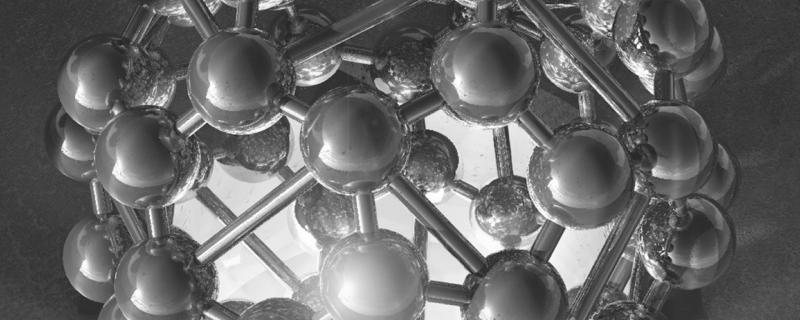
A team of scientists from Rice University, Texas, USA, Indian Institute of Science (IISc), Bengaluru, Bruker Nano Surfaces, Minnesota, USA and Indian Institute of Technology Gandhinagar, Gujarat have developed a new way to exfoliate a 2 dimensional metal sheet, few layers o even up to a single layer of atoms thick. The novel method, the scientists claim, could be used to make metal sheets of low-melting pure metals and alloys.

Pune

The summer is here, and the newspapers are already flashing headlines on how hot this summer could be. While we humans may turn on the air coolers, what would the thousands of animals and plants do? It turns out, some trees have unique tricks up their leaves, quite literally! A new study by researchers from the Indian Institute of Science Education and Research (IISER), Pune, and Oak Ridge National Laboratory, USA, shows how tropical trees deal with the heat and the adaptations in their leaves that help them survive in extreme heat conditions.

It’s the 20-20 cricket world cup finals. Indian vs. Pakistan! India need 4 runs to win! Yuvraj Singh swings his bat and it’s a…! Blank! Oh no! A power cut!

But wait! Isn’t it the electricity that has been cut? Why then the term “power” cut? Is electricity and power the same? Then why do we get electric shocks and not power shocks?

Indore

Scientists at Indian Institute of Technology Indore, Indore have developed L-lyso—a novel water soluble, fluorescent dye which can permeate the membranes of lysosomes, marking them for future tracking and imaging.

Bengaluru

Scientists from Indian Institute of Science (IISc) and Jawaharlal Nehru Centre for Advanced Scientific Research (JNCASR) have demonstrated a new type of 3 dimensional imaging platform, called iLIFE, that provide detailed images of biological specimen flowing in a fluid.

Chennai

A team of scientists from Academy of Scientific and Innovative Research (AcSIR), Council of Scientific and Industrial Research-National Chemical Laboratory (CSIR-NCL) and Indian Institute of Science, Education and Research Kolkata (IISER Kolkata) have studied the formation of 2 Dimensional Covalent Organic Frameworks (COF)- organic solids bound together by covalent bonding, to understand the science behind the underlying structure.

Bengaluru

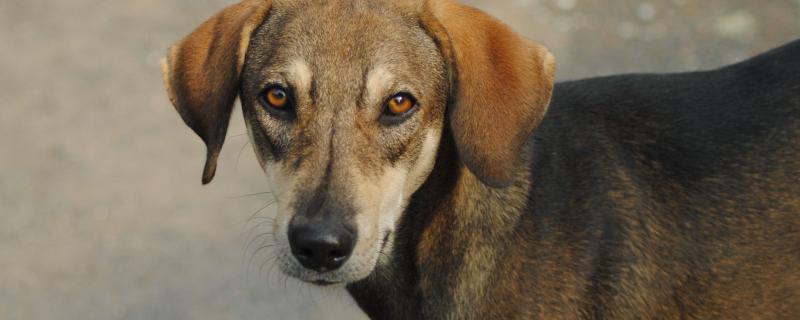
Dogs have been introduced in various places across the world, where they were not found before by humans. In a recent study, researchers from the Ashoka Trust for Research in Ecology and the Environment study how dogs affect the local biodiversity.

New Delhi

Dr. Renu Swarup, Senior Advisor and Scientist H at the Department of Biotechnology (DBT), Government of India took over as Secretary, DBT on 10th of April 2018. 

Haryana

In a first comprehensive study, researchers from the Lala Lajpat Rai University of Veterinary Sciences and Animal Sciences and G. B. Pant University of Agriculture and Technology have explored the reasons behind the prevalence of Bluetongue Virus (BTV) in the state of Haryana. BTV is responsible for causing the bluetongue disease—a non-contagious, insect-borne, viral disease caused mainly in sheep and less frequently in cattle, goats, buffalo, deer and antelopes.

Search Research Matters