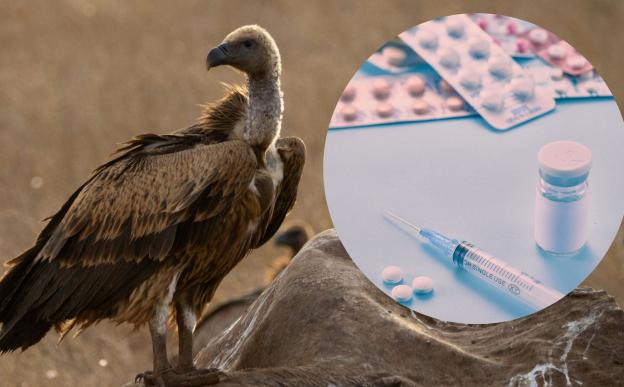
Despite successful bans on the veterinary drug diclofenac in Nepal and parts of India, a decade-long undercover investigation reveals that toxic alternatives like flunixin and nimesulide are rapidly replacing it, posing a renewed existential threat to the region’s critically endangered vulture populations.

Science

Mohali

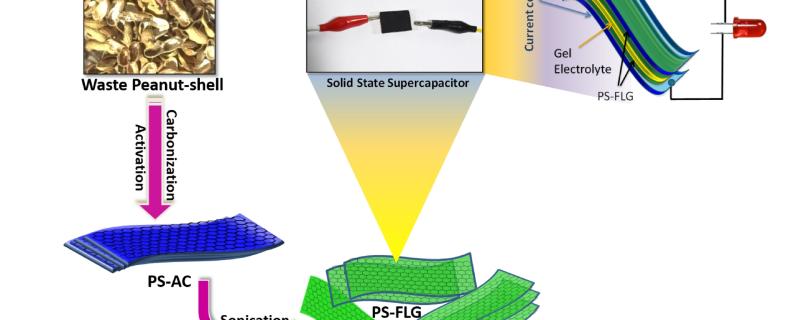
Graphene is called the ‘wonder material’ due to its electrical and mechanical properties and is now evolving as an alternative to conventional energy storage devices like batteries and supercapacitors. Researchers from Institute of Nano Science and Technology (INST), Mohali, use peanut shells to manufacture high-quality graphene nanosheets.
Bengaluru

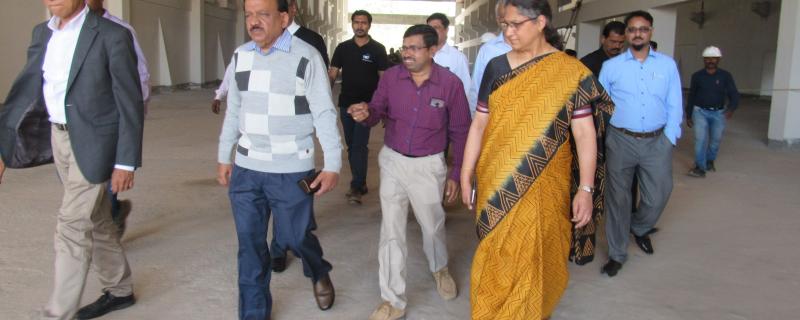
Dr. Harsh Vardhan, Hon’ble Union Minister for Science and Technology, Environment, Forest and Climate Change and Earth Sciences, Govt. of India visited the Centre for Research and Education in Science and Technology (CREST), Indian Institute of Astrophysics (IIA) at Hosakote. He was welcomed by Prof. P Sreekumar, Director of IIA and Prof. G C Anupama, Dean and Professor-in-charge of CREST and others at CREST.

Bengaluru

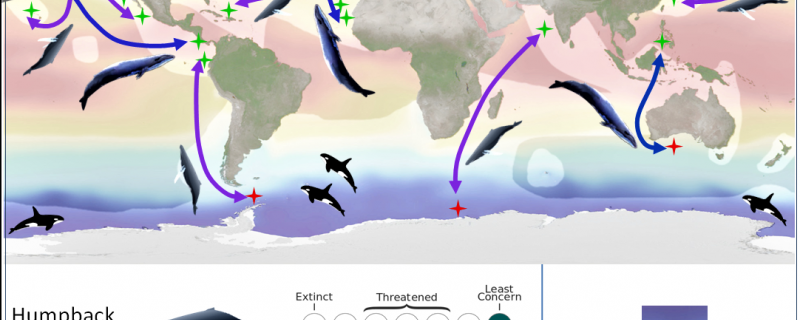
Whales are magnificent creatures. Not only are they the some of the largest mammals on the planet, they also have the longest mammal migrations. Why and how do whales migrate? And what are some of the challenges they face on the way?

Kanpur

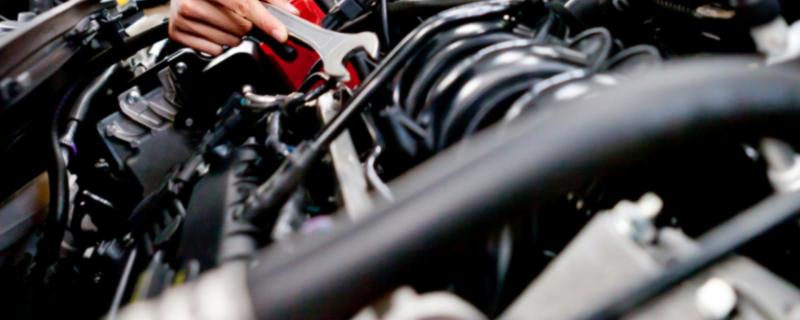
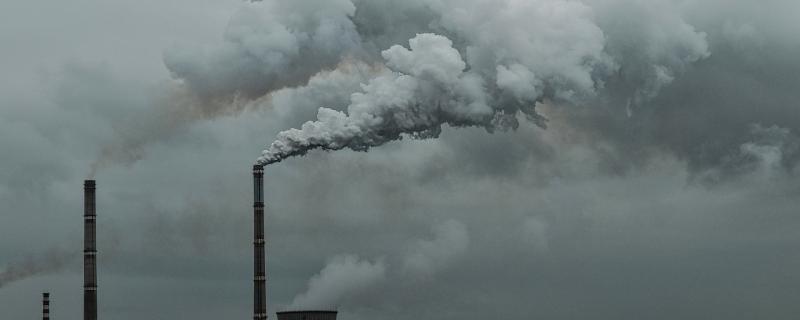
Researchers from Indian Institute of Technology Kanpur, Kanpur have come up with a potential roadmap to control diesel engine pollution, by looking at the different techniques available to curb emissions from a diesel engine.

Bengaluru

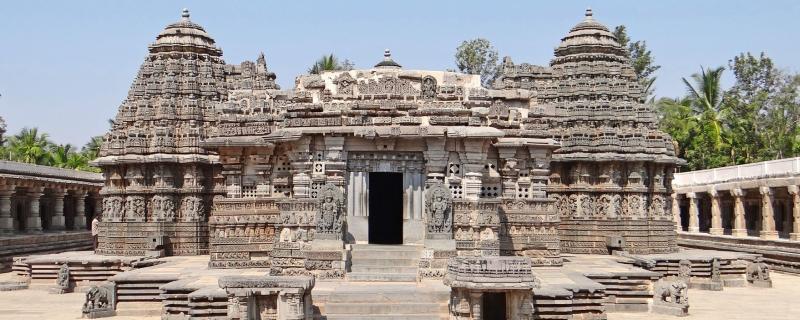
Humans have always been fascinated by symmetry. Many celebrated works of art are appreciated for their symmetry, such as the Vitruvian Man by Leonardo Da Vinci, or Somnathpur temple above. Given the importance of symmetry in our lives, does the brain have a special way of processing symmetric objects?

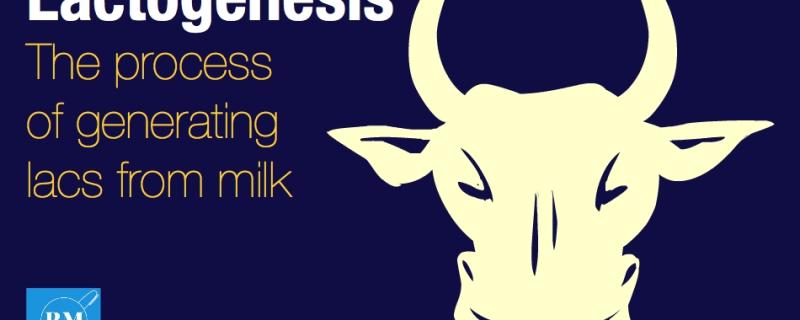
India is the world’s largest milk producer and it produced 140 million tonnes of milk just last year. Though we know the milk comes from bovines (cows and buffaloes), how exactly is it produced in mammals?

Bengaluru

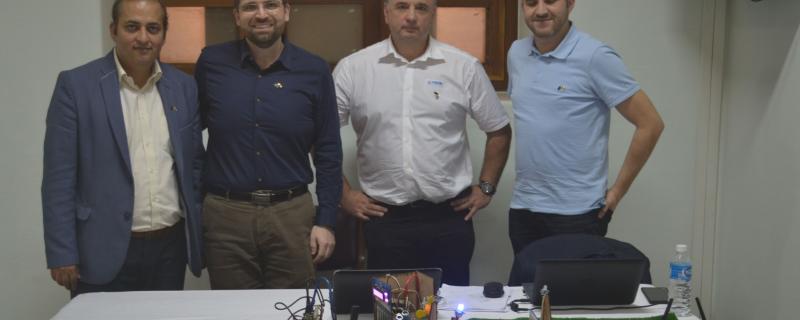
The European Union delegation is organizing a hackathon for smart city applications at the Indian Institute of Science (IISc), here from today.

The hackathon aims to encourage designing new applications that a smart city could offer its citizens, its elected officials or its technical and administrative services.

New Delhi

According to the World Health Organization, the safe limit of PM2.5 concentration for humans is 25 micrograms/cubic metre. But, the fact that at any given time, the  PM2.5 levels in Delhi hover between 303.9 and 408.2 -- way above the safe level -- is no news! Newspaper headlines scream on toxic pollution levels and people wearing protective masks has become a common sight.

Bengaluru

Do animals have consciousness and free will? Are they capable of making informed decisions or do they merely act out based on instinct?

A unique interaction and discussion took place at the National Institute of Advanced Studies (NIAS), Bangalore, on 14th of February on “Animal Minds”. The session consisted of a philosophical enquiry into the minds or the lack thereof, of non-human animals.

Bengaluru

Researchers at Department of Computational and Data Sciences at Indian Institute of Science (IISc) have developed the first computational model aimed at Pictionary- an image based word guessing game.

Search Research Matters