Science

Sweden

Life as we know it on Earth is possible because of water. Hence, the presence of water on our neighbouring ‘red planet’, Mars, was an important discovery. Taking forward the search for water on Mars, scientists from the Luleå University of Technology, Sweden, Sharda University, India, Instituto Andaluz de Ciencias de la Tierra, Spain and Centro de Astrobiología, Spain, have now discovered the widespread presence of liquid water on Mars using the latest technology. 

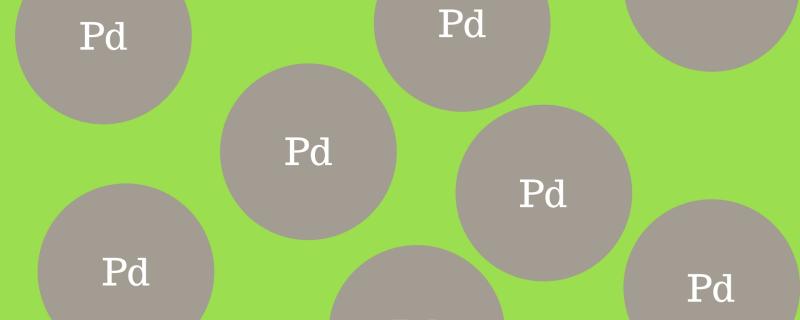
Humans have used nanoparticles since antiquity. Stone age workers, artists during the renaissance, and ancient metallurgists have all used nanoparticles either for decorations or to enhance the properties of materials.

Pune

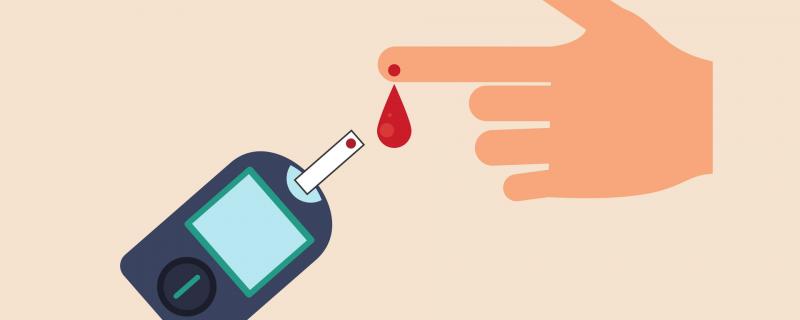
Responsible for 1.5 to 5 million deaths per year, around the world, Diabetes mellitus is a very serious disease. India is considered the diabetes capital of the world with as many as 50 million people suffering from type 2 diabetes. This World Diabetes Day, the Research Matters team caught up with Dr. Milind Watve, a professor at the Indian Institute of Science Education and Research Pune and an expert in the field, to find out about the new insights into how better to treat the disease.  

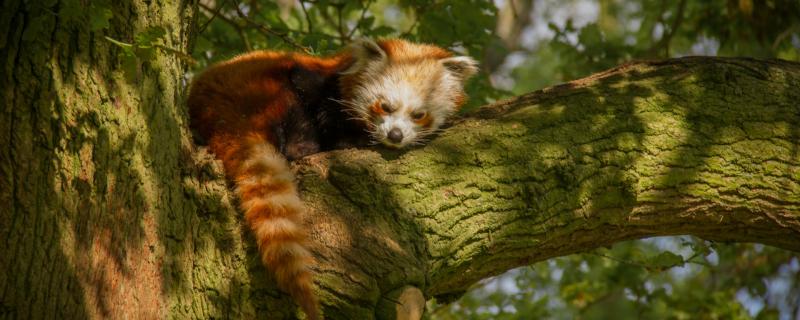
The Red Panda (Ailurus fulgens) is an animal with soft reddish-brown fur, is only seen in the temperate forests of the Himalayas that includes parts of India, China, Nepal, Bhutan and Myanmar.

Kasaragod

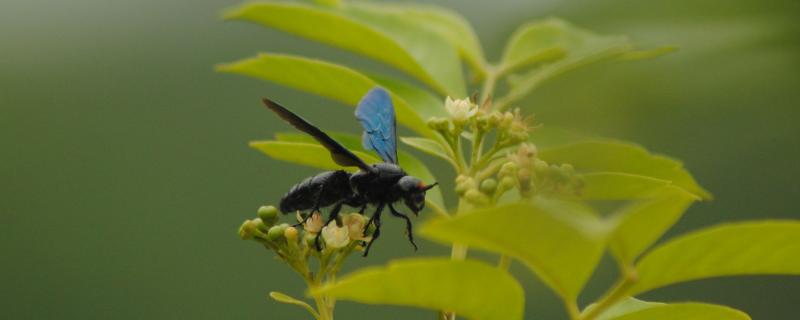
Nature is full of mind boggling interactions, some that seem they are straight out of a fiction novel! Studying a host-parasite-hyperparasite interaction between a species of moth and two species of wasp, scientists from the Ecology lab at the Department of Animal Science, Central University of Kerala, explore how wasps control the behaviour of moth larvae and also contribute to controlling their population.

The word “drug” is a taboo in the society. People shun the so-called drug users and abusers. However, little do they know that they themselves are consuming a drug on a daily basis! Befuddled?

“Mom, can I have a cup of coffee?”

YES! Coffee! Or more specifically, caffeine.

There are plenty of activities we as humans perform each day, which requires incredible amount of coordination between the different parts of our body. A simple act of lifting a book requires, first your eye to pin-point the book, next it guides your hand to clasp the book and then lift it up. Sounds complicated. Yet, each day, we can lift things up, catch fast moving objects, and ride very fast on the bike, hardly noticing what our hands our doing, while swerving through the traffic.

Kolkata

‘Riboswitches’ like the name suggests are like on and off switches for genes. These are present in all living things, from the smallest bacteria to the largest trees. Scientists from the Indian Institute of Science Education and Research, Kolkata have sequences the genomes of 2785 bacteria to understand their function and origin.

Elephant Endotheliotropic Herpesviruses (EEHVs), is a highly widespread herpes virus commonly found in Asian and African elephants. Of the 130 types of herpes viruses found worldwide, only some are known to infect humans, yet 90% of the human population is infected with some form of herpes virus. The rest can infect organisms as diverse as cats, birds, horses and fish.

Pune

The human body is made up of a complex network of cells and tissues specialized to carry out specific tasks. Studying each type of cell individually gives researchers insights into treating diseases and disorders. The cells of a human heart have very poor regenerative capability, while those of zebrafish are known to regenerate well. Scientists from the Agharkar Research Institute, Pune in their recent study explore the mechanism behind how zerbafish hearts regenerate.

Search Research Matters