Researchers designed a new molecule called compound 7c that targets a specific HDAC called HDAC3, known to play a key role in the development and spread of aggressive breast cancer.
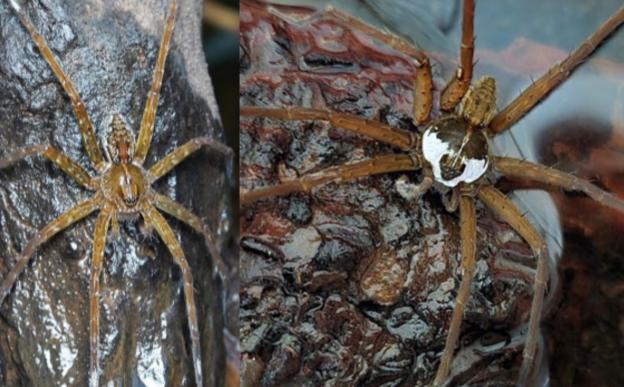

Researchers designed a new molecule called compound 7c that targets a specific HDAC called HDAC3, known to play a key role in the development and spread of aggressive breast cancer.

A study by a team at IIT Bombay and their collaborators reveals how the majority of commercial use plastic degrades into micro and nano plastic particles.

Scientists from the ALICE collaboration at the LHC have announced the first evidence for antihyperhelium-4 nucleus detection.

Researchers model a non-ideal magnetic gas filled with tiny dust particles to find how shockwaves travel through them.

This World Migratory Bird Day, learn about some of the annual avian visitors to India. In keeping with the theme of 2025 --Creating Bird-Friendly Cities & Communities--let us work to make our ecosystems more welcoming. In recent years, many migratory bird species have given India a miss due to shrinking habitats and worsening pollution. Now is the time to act and make our neighbourhoods livable for our annual visitors and everyone.
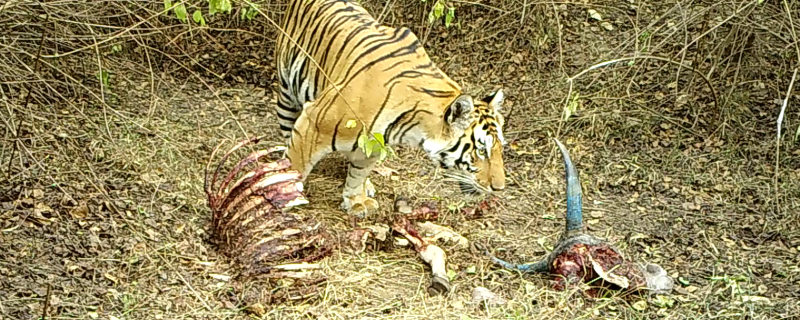
New research shows how tiny saliva, hair, or scat traces can accurately identify individual carnivores, paving the way for smarter conflict resolution.

Researchers study how auditory epithelial cells in chicks simultaneously coordinate position and orientation to arrange themselves lining the inner ear.
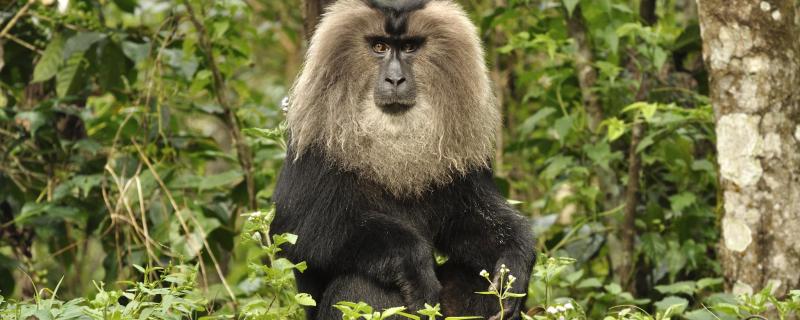
Researchers studied how these highly arboreal (tree-dwelling) primates, who are under pressure from human activity, actually use the space around them.

New research addressed the Tungsten Diselenide clumping problem by introducing a polymer, Polyvinyl Pyrrolidone (PVP), into the mix.