Research reveals that graphene-enhanced batteries can slash electric vehicle charging times by up to 27% while cutting battery weight by more than half, potentially solving the biggest hurdles to green transportation.

Science

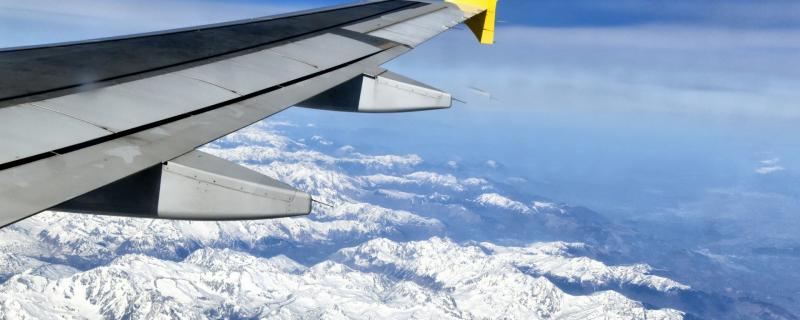
Research at the Indian Institute of Science, Bengaluru and Vikram Sarabhai Space Centre, Thiruvananthapuram indicates that black carbon (BC) aerosol emissions from aircrafts could be impacting the stratospheric ozone layer. Aerosols are minute particles suspended in the atmosphere that interact with incoming and terrestrial radiation affecting the earth’s climate. Some aerosols, such as sulphates and,  nitrates cool the atmosphere. BC, on the other hand, is a positive climate forcing agent, absorbing radiation across a wide range of wavelengths.


[field_op_main_image]

 It is in the best interest of a tree to ensure that its seeds are dispersed to far off places where they can get good sunlight and nutrition to grow. This is carried out by the help of frugivores, who eat fruits and transport seeds in their gut. A recent study illustrates how irreplaceable elephants are as seed dispersers using computer simulation and three species of trees with large fruits. The study shows that in the absence of elephants no frugivores can disperse seeds as far or as efficiently.

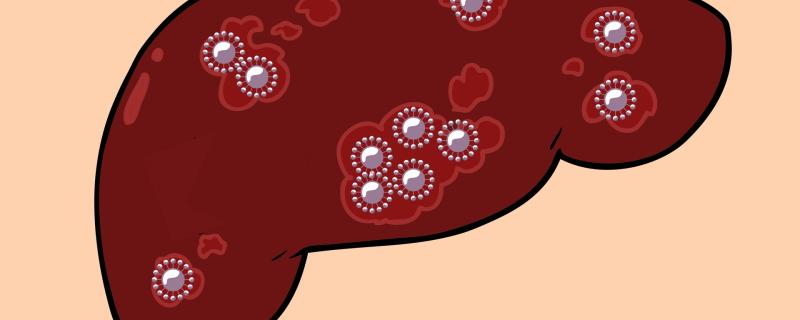
Hepatitis C Virus (HCV) affects 6-11 million people in India. Chronic HCV infection is the leading cause for liver-related deaths worldwide. In India, HCV infection was estimated to be responsible for 59,000 deaths in the year 2015. Moreover, untreated HCV infection could also lead to substantial economic burden. However, the advent of directly acting antivirals (DAAs), is proving to be a game changer in HCV treatment. Directly acting antivirals target specific enzymes and the genetic material in HCV, hence stopping the spread of the infection.


[field_op_main_image]

Why do we see certain species of animals in one place while they are absent in the neighbouring regions? How do species inhabit remote islands? Questions like these are central to our understanding of evolution and speciation. Exploring these question in a Sri Lankan context, scientists from National Centre for Biological sciences and University of Colombo studied how a two species of small passerine birds colonized the island nation. Through phenotypic and genotypic analysis they could show that not all Sri Lankan wildlife is a subset of Indian wildlife.

Climate change is here and governments around the world are trying their best to stem its debilitating impacts. REDD+ (Reduce Emissions from Deforestation and forest Degradation), a programme to encourage the sustainable management of existing forests that take in large amounts of greenhouse gases, is a step in this direction. However, there are technical difficulties in measuring the effectiveness of REDD+.


[field_op_main_image]

Different parts of the country was inundated with floods this year, while other parts continue to face rainfall shortages, leading to drought situations. The culprit behind the disparity may be the sudden, extreme rainfall events we have been facing. Warming temperatures leading to extreme events may be affecting the overall rainfall the country receives says this new study.

Qissa-e-Sanjan, or the Story of Sanjan, records the epic tale of Parsi migration. It describes how a section of Zoroastrians left Iran to escape the Islamic conquest, and found India’s shores at Sanjan in Gujarat. Instead of a welcome they were presented with a full glass of milk, which symbolically suggested that there was no space for the newcomers. The priest then added a spoonful of sugar without spilling the milk, a promise that the Parsis would assimilate with the local community. Like sugar in milk, the Parsis found a new home.


[field_op_main_image]

For over a century, India has nutured a host of science and technology based institutions. We capture the timeline of these institutions as they were established.

Click here to view the interactive timeline.


[field_op_main_image]

Rabies is a fatal disease associated with dogs. However, it could well be spread by many animals -- both wild and pets. Today, on World Rabies Day, here is all you want to know about the disease and ways to prevent them. But if you thought it was a challenge, find out the truth about this and help make the world free of this deadly disease

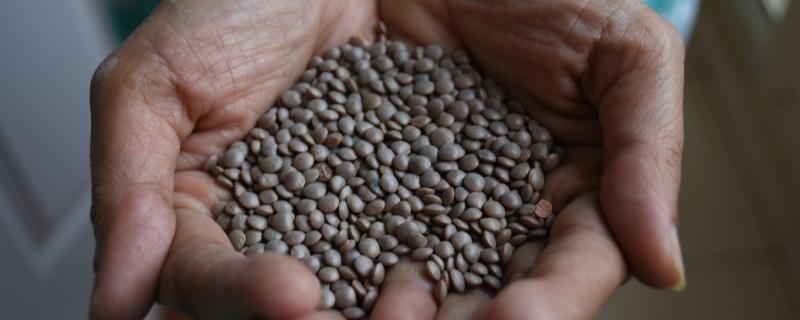
Lentil (Lens sp.)  is an edible pulse cultivated as a staple food throughout the regions of India, Sri Lanka, Pakistan, Bangladesh and Nepal. It is an important dietary supplement in the Indian sub-continent. In a new study, scientists from the Indian Council of Agricultural Research (ICAR) have evaluated 162 genotypes including wild accessions, landraces, breeding lines and cultivars of lentil for their salt tolerance. This was based on four broad factors.

Search Research Matters