Captivity and confinement has had devastating effects on humans and the same can be true in the case of wild animals, especially the big cats. In this new study, scientists observe the hormones produced by captive big cats, like the Bengal Tiger or Leopard, to measure the amount of stress they endure during captivity. The study also throws light on stereotypy - a coping mechanism developed by captive animals, and its relation to the amount of stress they experience.
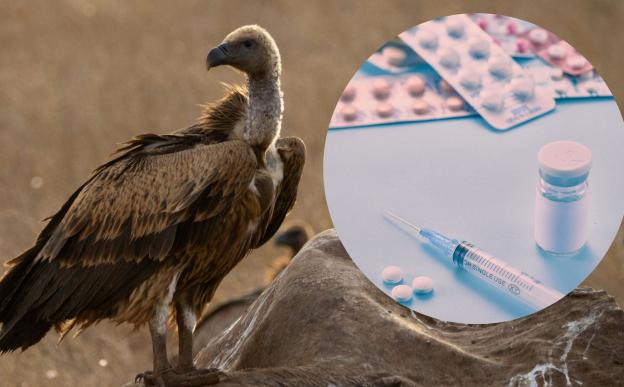
Despite successful bans on the veterinary drug diclofenac in Nepal and parts of India, a decade-long undercover investigation reveals that toxic alternatives like flunixin and nimesulide are rapidly replacing it, posing a renewed existential threat to the region’s critically endangered vulture populations.