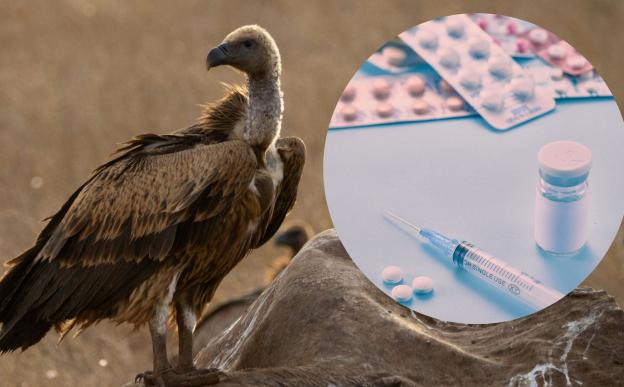
Despite successful bans on the veterinary drug diclofenac in Nepal and parts of India, a decade-long undercover investigation reveals that toxic alternatives like flunixin and nimesulide are rapidly replacing it, posing a renewed existential threat to the region’s critically endangered vulture populations.

Science

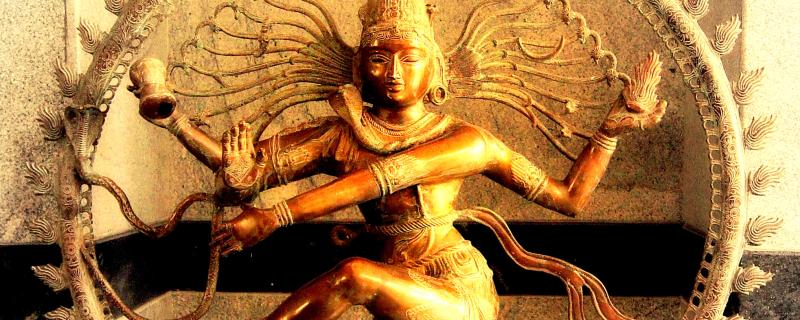
Since ancient times, India has had a rich culture of metallurgy as evidenced in the archeological finds from Indian Iron age. The vessels and ornaments found from this period show skilled metallurgy and craftsmanship in smelting metal. Now, Prof. Sharada Srinivasan, a Professor at the National Institute of Advanced Studies, has been studying these ancient traditions and skills in working with metal.
Uric acid is a compound made of carbon, nitrogen and oxygen, and is one of the components in urine. High amounts of uric acid in the blood could lead to many debilitating medical conditions such as diabetes and gout. However, detecting the compound in living cells without damaging the cells can be quite a challenge. Now, scientists from Visva- Bharati Santiniketan, West Bengal, Indian Institute of Engineering, Science and Technology, Howrah and University of Calcutta, Kolkata have devised a novel way of detecting uric acid without disrupting the cell.


[field_op_main_image]

Pursuing research is one of the aspirations of many young minds stepping out of their college. Unfortunately, for many, this aspiration remains largely a dream as costs of higher education are increasing day by day. But what makes higher education so expensive? In such scenarios, should students bear the cost of research? If not, then who should bear them and why? How can different beneficiaries of university research work to help students come out of the burden of education costs and serve society at large? In a conversation with the Research Matters team, the winner of 2011 Nobel Prize in Physics, and the current Vice Chancellor of the Australian National University, Prof. Brian Schmidt, shares his views on the topic of research funding.


[field_op_main_image]

While open defecation has well known health risks, toilets with sewage pits come with their own drawbacks. One of them is the contamination of ground water due to sewage leachate -- the water that seeps into the soil from the pit and has extremely toxic levels of nitrates, ammonium and organic carbon. These toxins are known to contaminate ground water making it unfit for drinking. Now scientists have designed a twin-pit toilet system that reduces the levels of nitrates, ammonium and organic carbon in the sewage water before it is being absorbed by the ground. This treated water, the researchers say, have low levels of toxins, making it safe and saving water bodies from contamination due to sewage.

Bamboo is one of the most easily identifiable grasses, with people readily recognizing the long, smooth tube shaped trunks. It is also one of the most widely used grass with several implements being made using bamboo, like ladders, chairs and even entire houses. In the scientific community, however, there is confusion, largely due to the lack of data about various aspects like ecology and distribution, of these grasses.

Zirconium is a hard and ductile metal with high resistance to corrosion and low absorption of thermal neutrons, like the ones produced in a nuclear reactor, making them extremely useful as cladding for fuel rods in nuclear reactors. Zr-1Nb is an alloy of Zirconium and Niobium, which is one of the common alloys used as cladding. Processing of Zr-1Nb usually takes place in two phases to get the right microstructure of the alloy and perform optimally as a cladding agent.


[field_op_main_image]

In a city like Bangalore, public transport system has a huge responsibility of transporting millions everyday and is a necessity to decongest the cities roads and help the city take a step towards sustainable living and greener environment. BMTC, the city's public transport cooperation has introduced many fleets of buses catering to different areas and targeting different types of customers. A new study now evaluates the sustainability of BMTC's fleet of Volvo buses and suggests ways that could help the cooperation maximise its profit and run its services efficiently.


[field_op_main_image]

Competition among different animals in a natural ecosystem is ubiquitous and determines many characteristics of the ecosystem. Ecologists use different mathematical models to estimate population of animals in the wild and help determine those species that are on the verge of being endangered or extinct. A new study by undergraduates at IISc has proposed a modification to an existing mathematical equation that takes competition of species into account, thus helping ecologists make accurate predictions along with actual field data.

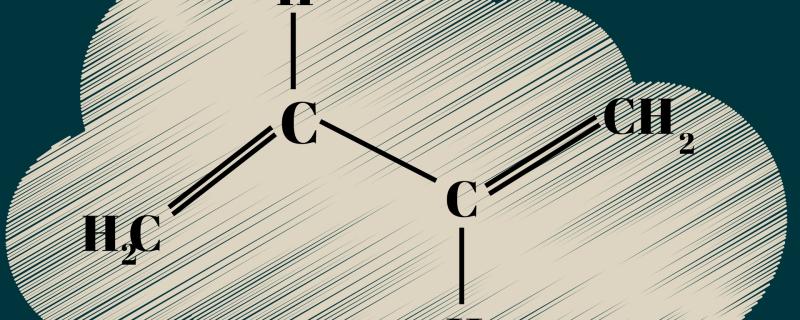
Isoprene is a naturally produced organic compound, produced by plants. It is a colourless volatile liquid produced by many plants and is the main component of natural rubber. Although the role of isoprene as a pollutant is yet to be confirmed, it has been shown that in the presence of high amounts of nitric oxides, isoprene can lead to the formation of lower atmosphere ozone, which is considered as a leading air pollutant in many countries.


[field_op_main_image]

India is no stranger to air pollution, with the capital, New Delhi, being identified as one of the most polluted cities in the world, several times. The harmful effects of this deteriorating air quality can be seen in the increasing number of patients with respiratory disorders. Now, a team of scientists have designed a novel gas sensor using MEMS technology that is compact, highly sensitive, consumes very little power and accurately detects gaseous pollutants like CO, CO2, NO2 & SO2.

Search Research Matters