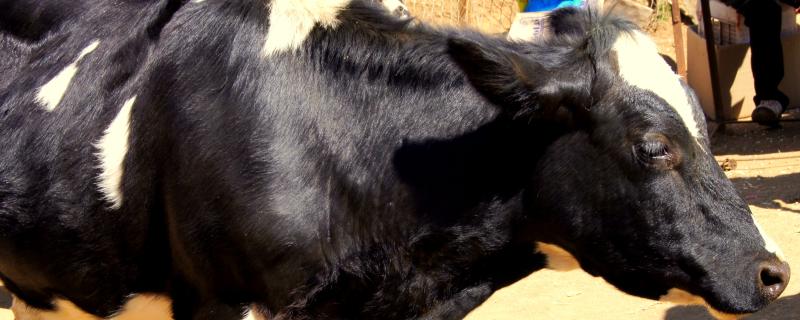
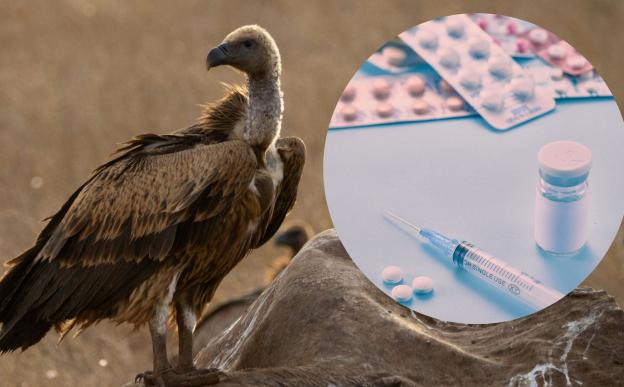
Despite successful bans on the veterinary drug diclofenac in Nepal and parts of India, a decade-long undercover investigation reveals that toxic alternatives like flunixin and nimesulide are rapidly replacing it, posing a renewed existential threat to the region’s critically endangered vulture populations.

Science

How do we test the strength and rigidity of the materials used by engineers to build? We could use a sample of the material that we wish to study, and bombard it with projectiles to study how the material reacts to the bombardment. This method, however does not allow us to understand the behaviour of the test material at a microscopic level.

[field_op_main_image]

The race to space is heating up with the addition of private players around the world. With increasing competition to make space explorations affordable, there is a whole ecosystem of small and big companies trying to eye the possible revenues. One among them is the award winning start-up from Bangalore, incubated at IISc, called Bellatrix Aerospace. In a recent conversation with Research Matters, the company reveals its plans for the future and talks about its innovative solutions that aim to make space explorations cheaper than ever.

Escherichia coli, commonly called E. coli, is a bacteria that can be found in the gut of many warm blooded animals, including humans. Although many strains of the bacteria are harmless, a few strains of E. coli are pathogens that causes diseases like food poisoning, urinary tract infections and pneumonia. A little known fact however, is that E. coli is also responsible for infections of the eye leading to conditions like conjunctivitis and keratitis.

Lignin, like cellulose, is an insoluble fibre found in many fruits and vegetables including kiwi, ridge gourd, carrots, spinach and kale. In a recent study, scientists from the Vivekananda College of Pharmacy, Indian Institute of Science (IISc) and Poornaprajna Institute of Scientific Research (PPISR) have prepared lignin-rich nanoparticles from vegetables by treating their fibres with special enzymes thus making it ‘green’.


[field_op_main_image]

A new study at IISc looks to uncover the secret behind the development of drug resistance in TB causing bacteria by testing the efficacy of various commonly available antibiotics. The researchers have found that a combination of commonly available antibiotics along with Augmentin, fights the development of resistance among TB bacteria. This study might throw light on developing new class of drugs that can help contain the spread of deadly tuberculosis, claim the researchers.


[field_op_main_image]

The Education and Research Network or better known as the ERNET project was initiated in 1986 by the central government with the aim of connecting the different academic institutions across the country and introducing research in networking in the country. By 1992, ERNET had become the country’s first internet service provider. In January 2016 it was mutually decided to end the agreement between ERNET and IISc, thus bringing to an end a three-decade long effort in data networking.

Social Capital is the various networks a person can form throughout his life time, with his relatives, friends, co-workers etc, which could become economically valuable. This could be someone from your network offering you a job or a loan or just an edge in a job interview, higher the number of people in your network, higher is the chance of you getting help from one of them. Now, researchers from the University of Iowa and University of British Columbia have looked at the effects of social capital on child nutrition in India.

Rare-earth elements, despite their names are quite common on the earth’s crust, but are often difficult to find, as they tend to clump together to form minerals. They are a group of seventeen elements including Scandium, Cerium and Neodymium, which share chemical properties. The rare-earth elements form the backbone of many of modern machinery like lasers, aerospace components, magnets and capacitors. Until 1948, India was one of the leading producers of rare-earth elements, but currently however, China produces close to 90% of the world’s rare-earth elements.


[field_op_main_image]

The body’s immune system is one of the robust defense mechanisms. Now, scientists are exploring to use our immune system to fight some of the deadliest diseases including cancer by understanding how immunotherapy works and how drugs that are based on immunotherapy help our body fight cancers. In a recent study, researchers are working on understanding how Yervoy, a common immunotherapy drug against cancer, works in fighting against the disease. They are also looking at manufacturing similar cost-effective drugs that promise to bring down the cost of cancer drugs.

Foot and Mouth Disease is a highly infectious viral disease affecting hoofed animals like cattle, deer, sheep and goats. The disease is often fatal, mostly affecting  domesticated animals and causing huge losses to their owners. The contagious nature of the virus quickly destroys  entire herds. The culprit behind the disease, the Foot and Mouth Disease Virus (FMDV) or picornavirus,  tweaks the cells of the infected animals and forces it to make copies of the virus.

Search Research Matters