Relationships between various organisms stem to achieve an ultimate objective - survival. In mutualistic relationships, all involved in the relationship help each other survive, whereas in parasitic relationships, only one of those have an upper hand. But in spite of this chaos, how does nature maintain a balance? In a new study, scientists have studied examples of such relationships between termites and fungi - both mutualistic and parasitic - and have uncovered some interesting strategies adopted by these fungi to survive and thrive.
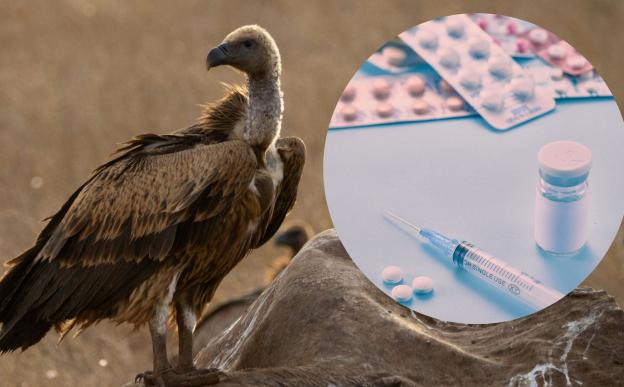
Despite successful bans on the veterinary drug diclofenac in Nepal and parts of India, a decade-long undercover investigation reveals that toxic alternatives like flunixin and nimesulide are rapidly replacing it, posing a renewed existential threat to the region’s critically endangered vulture populations.