Physicists at the Indian Institute of Science (IISc) have discovered that pure mathematical formulae developed by Srinivasa Ramanujan over a century ago for calculating the value of pi are fundamentally connected to modern high-energy physics.

Science

Human hair texture is extremely varied—from poker straight to twistedly tangled—and although we understand some of the biology behind straight hair, curly hair is a bit of an enigma. It’s not just biology that’s involved here, but interestingly some physics too.

Bengaluru

A team of Indian scientists, working with collaborators from Singapore, Australia and France, have shown how clusters of circulating tumour cells—cancer cells that have sloughed off the tumour and are circulating in the blood—could help monitor the response to cancer treatments and predict a patient's survival chances using a simple blood test. 

Bengaluru

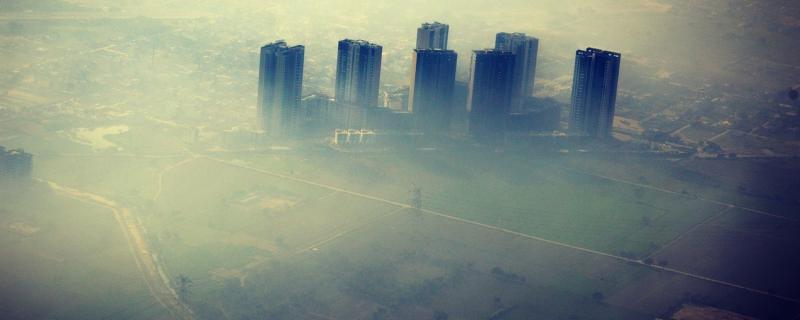
Researchers from the Desert Research Institute, USA and Urban Emissions, New Delhi, India, have investigated the emission levels of multiple pollutants in twenty Indian cities, other than Delhi.

Bengaluru

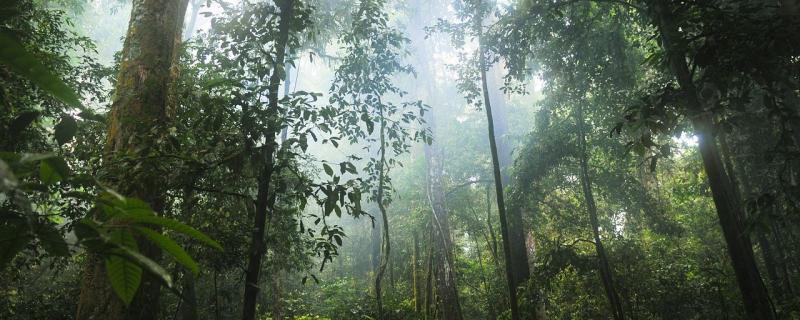
Researchers from Gubbi Labs, Bengaluru and ATREE, Bengaluru, have archived the regeneration of forests across an eleven year timespan in the Kalakkad Mundanthurai Tiger Reserve, Tamil Nadu.

Bengaluru

Researchers from IISc, Bengaluru, have investigated whether renewable energy sources and their large-scale integration into the electricity grid can help transition our electricity system into a ‘clean energy’ system.

Bhubaneswar

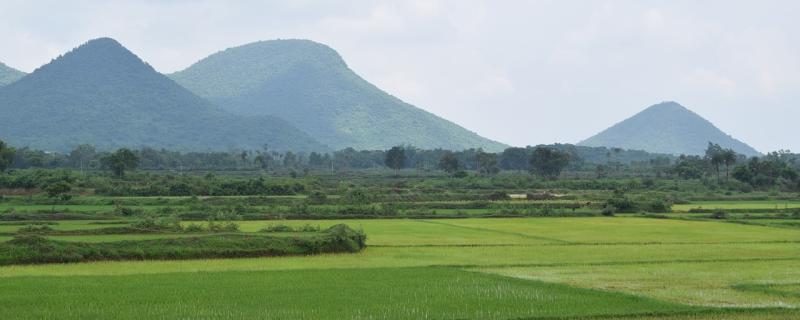
Researchers at the Indian Institute of Technology Bhubaneswar,  Indian Institute of Technology Kharagpur, and the University of Southampton, UK have tried to understand the effects of changes in land use and land cover on regional temperatures in Odisha, which frequently experiences heatwave, cyclones, droughts and floods.

Bengaluru

Researchers from the USA and Canada estimated the incidence of asthma among children across the world that is triggered by nitrogen dioxide—a major constituent of the vehicular exhaust. 

Kerala

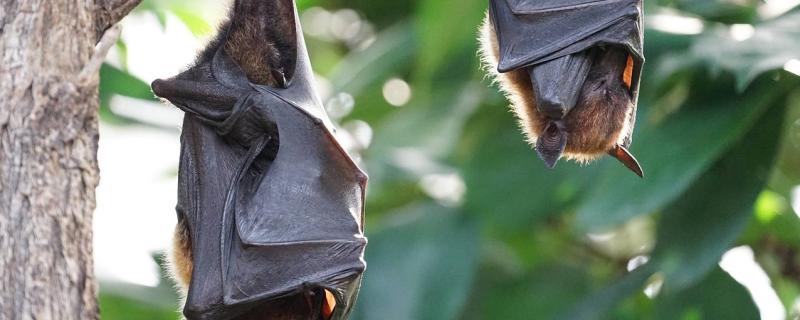
Researchers use a data-driven approach to identify bat species that could be carriers of the Nipah virus in Kerala.

Bengaluru

The walls were as quiet as ever. Warmth and protection radiated from them, but all went in vain against Ourelia’s boredom. She had been counting the days, as patiently as someone could, for the past 14 years. Every day presented the meticulous, yet mechanically planned, cellular routine in the same way. She would tend to the daily tasks by nibbling on the required nutrients and oxygen. She would then move on to cook some much-needed proteins and try to find some fun in watching the machine churn out strings of amino-acids.

Bengaluru

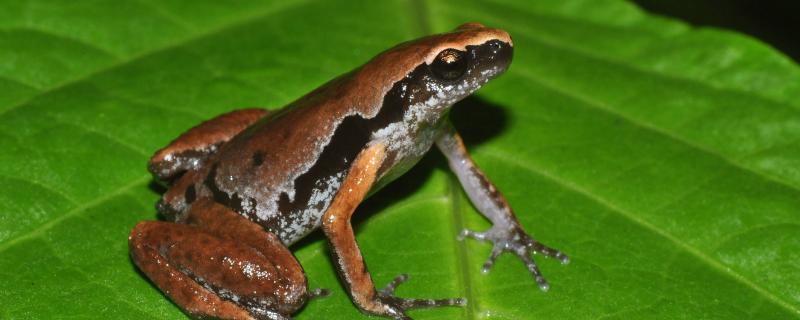
The monsoon is here; humming with the pouring rain are the croaks of frogs, for it is the season of love for most of them. But not for Micryletta aishani, the newest of the frogs discovered from the state of Assam. Unlike most frogs that breed during the monsoon, this elusive frog breeds before the onset of monsoon and then goes into hiding for the rest of the year. The discovery is the result of six years of extensive fieldwork in the northeastern states of India by a team of researchers from the University of Delhi, Wildlife Institute of India, Indonesian Institute of Sciences and the University of Texas at Arlington, USA. 

Search Research Matters